Chinchero
Textile traditions, highland scenery and a cultural layer that connects present-day life with Andean history.
After Cusco, the Sacred Valley changes the texture of the journey: more landscape, more sensory detail and a slower rhythm that works as a bridge — not a rushed day trip — before Machu Picchu.
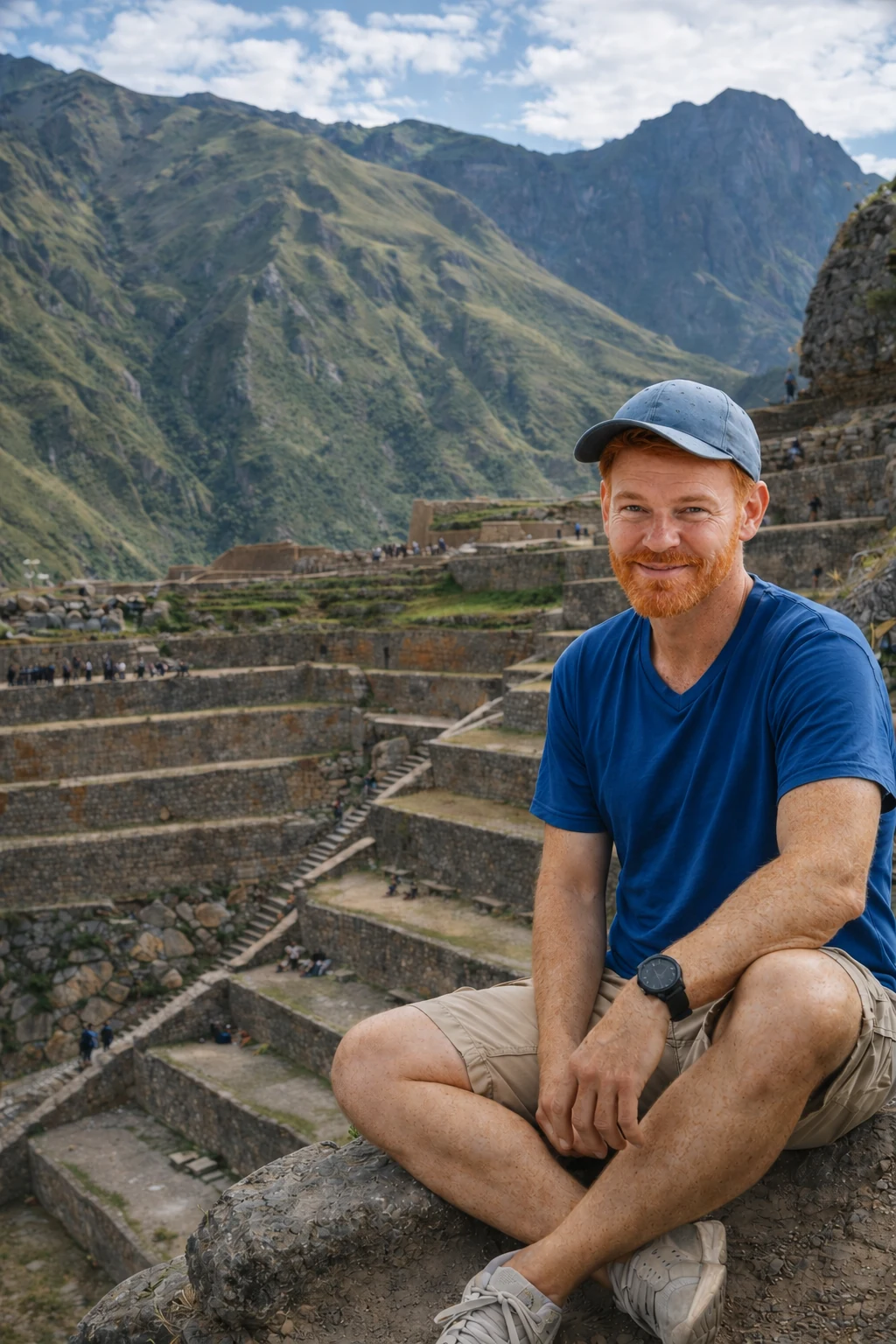
Landscape and texture before the climax.
More rewarding than racing through a day.
Culture, geometry and territory.
A smart line towards Machu Picchu.
In the original concept, this was the most sensory chapter: landscapes, lived experiences and a pace that allowed real reactions to emerge. For travellers, the same principle works beautifully. The valley breaks the Cusco–Machu Picchu sprint and turns transfer time into travel time.
After Cusco, the Sacred Valley changes the texture of the journey: more landscape, more sensory detail and a slower rhythm that works as a bridge — not a rushed day trip — before Machu Picchu.
Textile traditions, highland scenery and a cultural layer that connects present-day life with Andean history.
Salt pans, circular forms and a geography that makes this chapter visually distinct from Cusco.
A destination and a strategic base. Especially useful for travellers continuing by train towards Machu Picchu.
The journey feels more coherent when you leave Cusco, spend at least one night in the Sacred Valley and continue towards Machu Picchu without automatically doubling back.
Start early but resist the temptation to turn the day into a race. Chinchero, Maras and Moray can form a natural progression.
Urubamba or Ollantaytambo let you experience the region after day-trip traffic recedes.
The town and its setting deserve more attention than the railway platform alone.
From here, train and entrance ticket organise the final chapter. Have both aligned before arrival.
The valley stops being a “Cusco day trip” once you choose a base and use it as a real transition into Machu Picchu.
For a trip focused on roads, archaeological sites and walking, drier conditions usually make logistics easier. In wetter periods, leave more margin for road and weather changes.
1 night already changes the trip; 2 give Maras, Moray, Chinchero and Ollantaytambo room to feel like places rather than stops.
Urubamba favours resort-style rest and a valley feel. Ollantaytambo wins on historic atmosphere and rail logic.
If Machu Picchu is next, have the entrance and train framework in place before deciding the final distribution of valley nights.
Urubamba prioritises resort-style rest; Ollantaytambo puts you closer to the railway logic.
The Sacred Valley does not need to be a string of viewpoints. Choose places that serve the story you want to live.
Andean conditions shift through the day. Flexible layers beat one heavy outfit.
Machu Picchu ticket and train should be aligned before you reach the valley.
Yes for a compact route. Two are better if you want to experience the valley rather than pass through it.
Not necessarily. A linear Cusco → Sacred Valley → Machu Picchu route is often more elegant.
No. It is a historic destination in its own right; if you sleep there, give the town time beyond your departure platform.
Yes, although parts of the valley sit lower than Cusco. Keep the pace sensible and use this chapter as transition rather than overloading it.
Practical information checked against official sources. Rules, schedules and availability may change; reconfirm before travel.