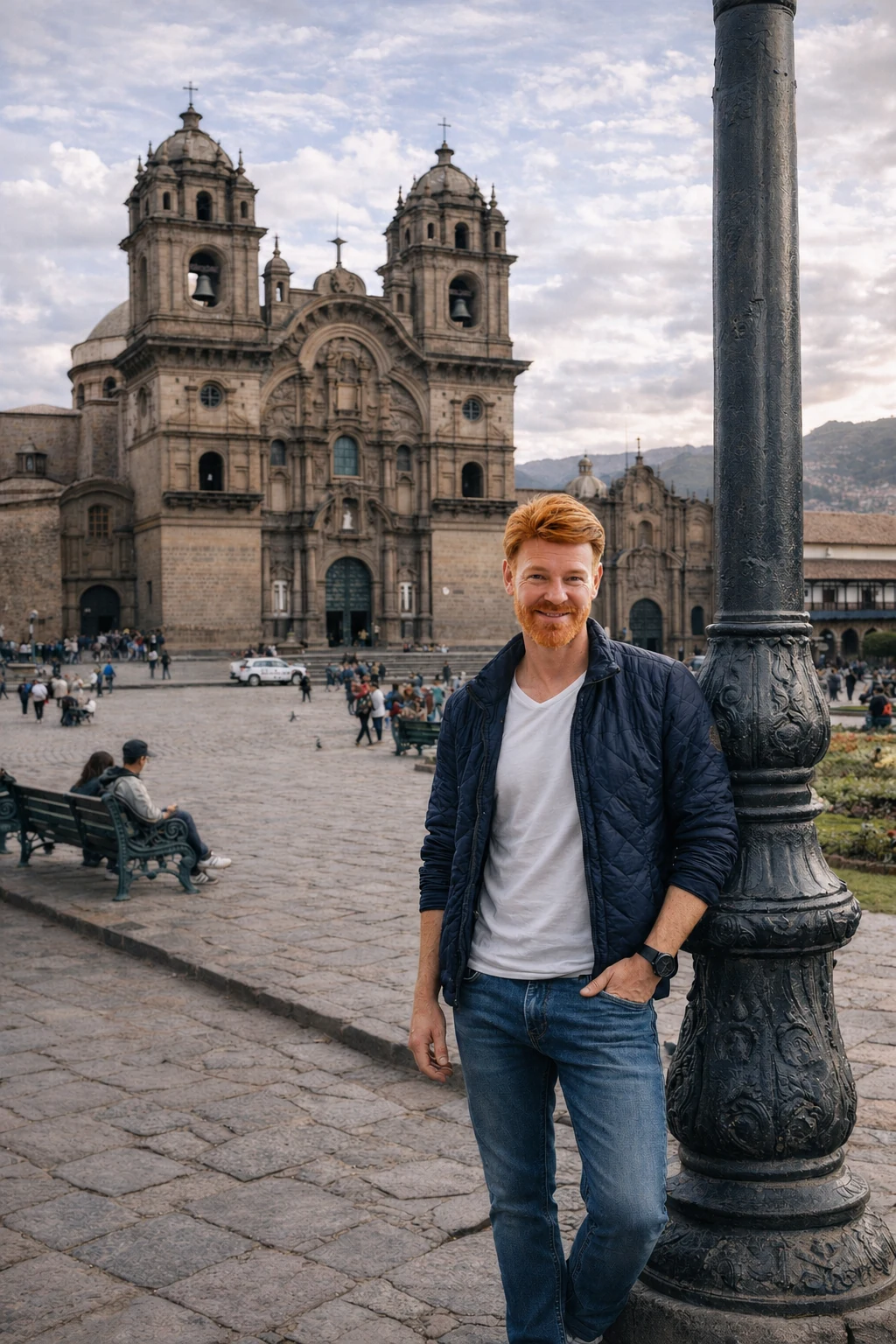
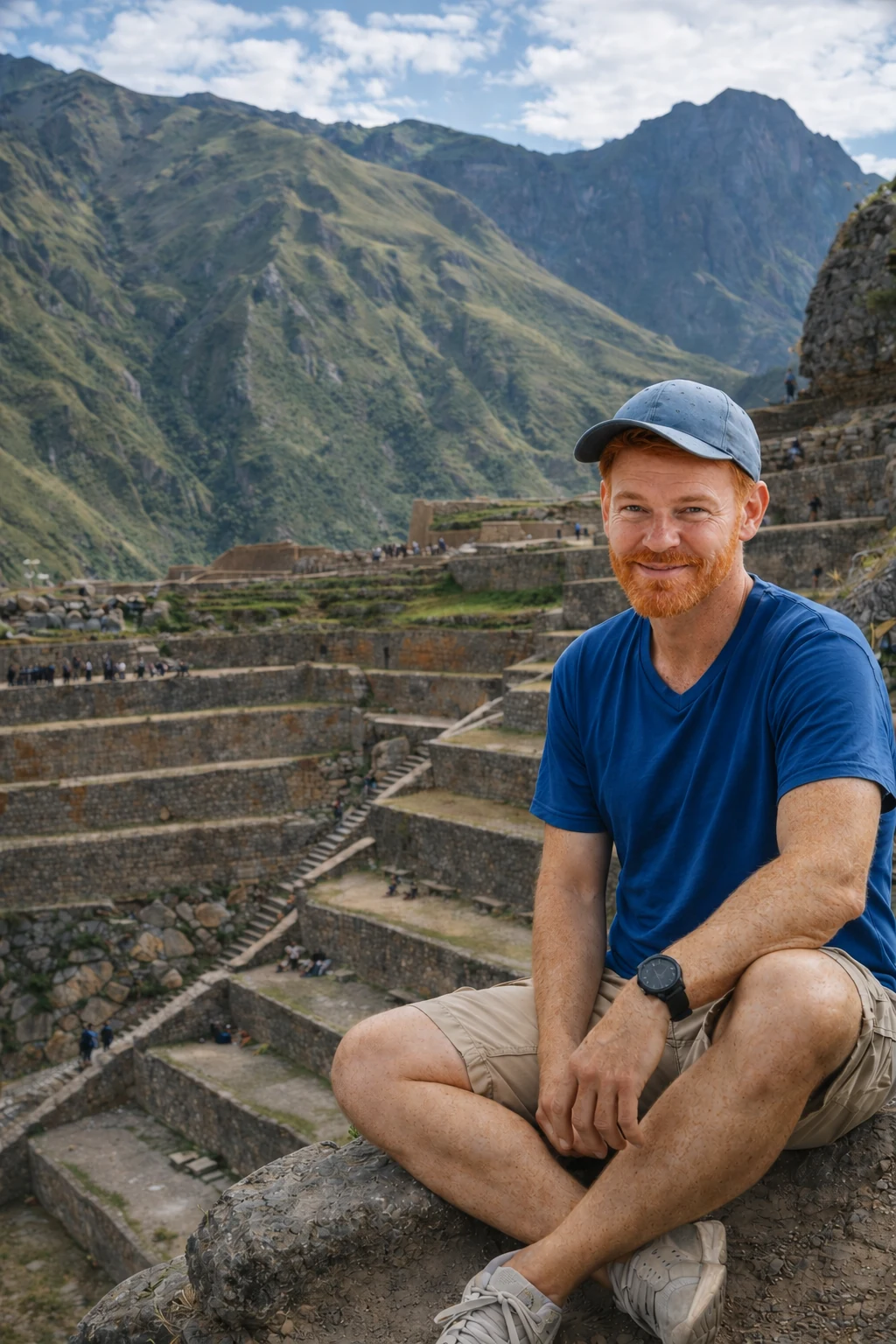
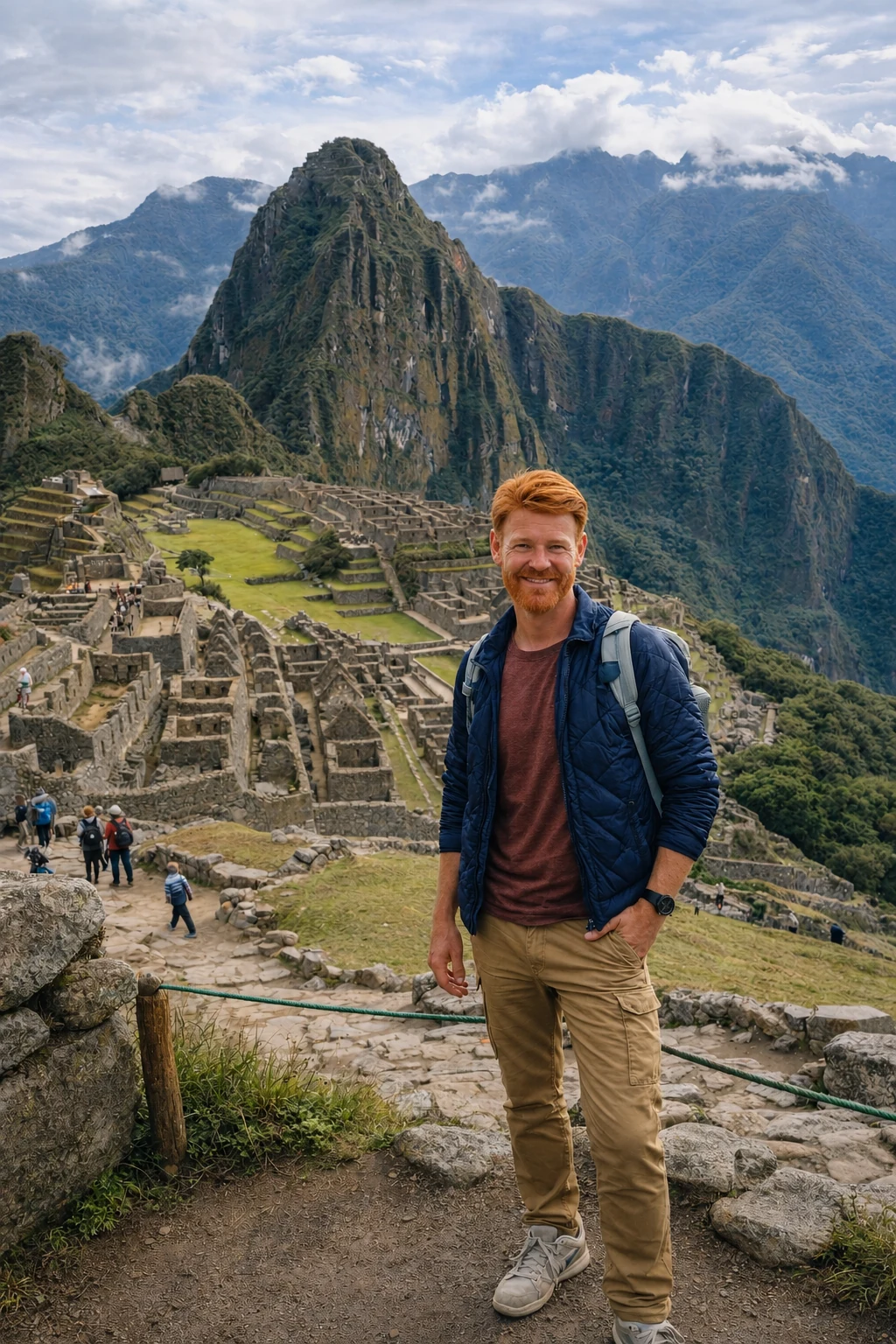
Miraflores & the Pacific
Clifftop parks, the Malecón and sunsets that make Lima’s geography instantly legible. An easy first base.
Peru reads better when Lima is more than a connection. Make it the opening chapter: culture, food, first impressions and a Pacific-facing city before the journey climbs into the Andes.
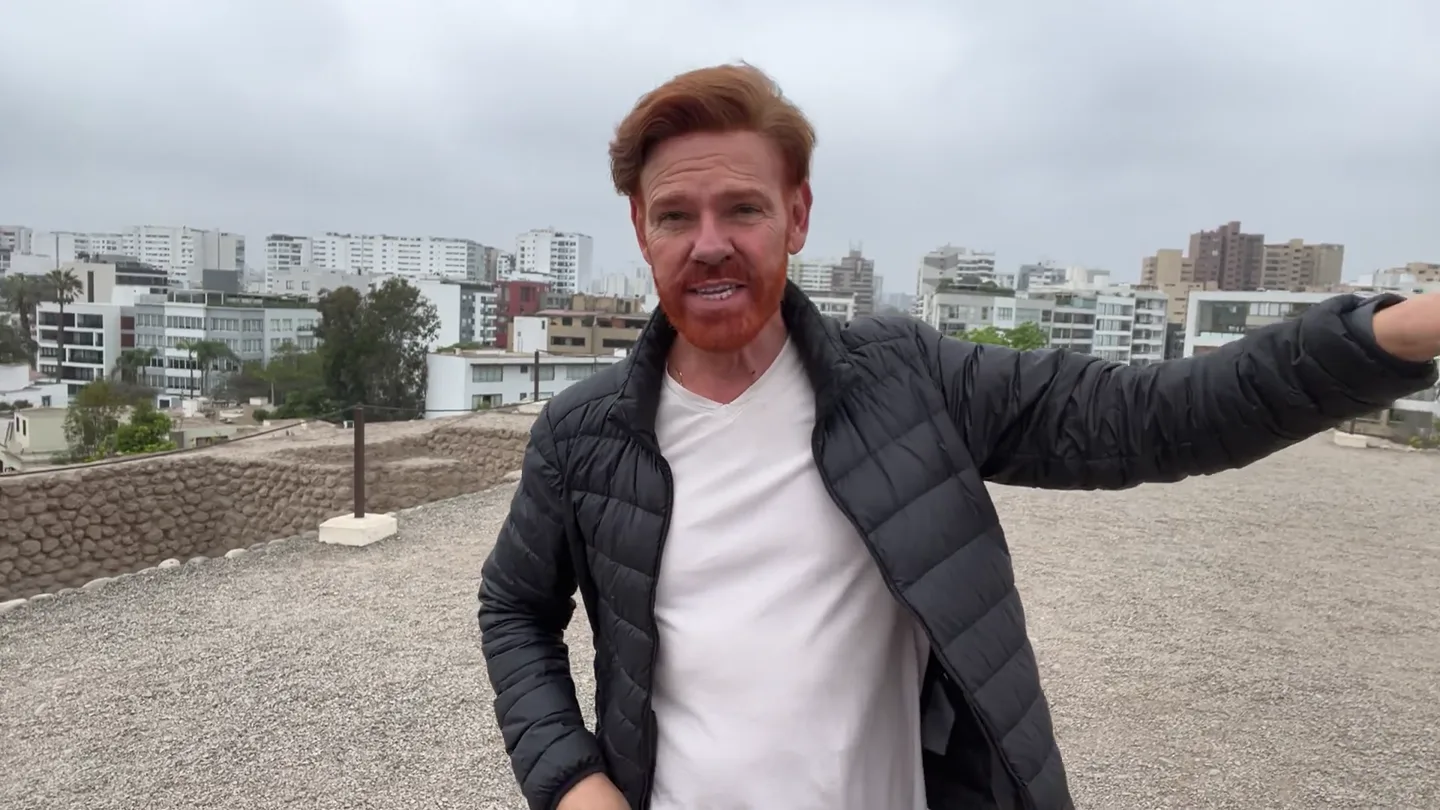
Walkability, character and the Pacific.
Enough to feel the city without rushing.
Neighbourhoods, food, heritage, sunset.
Move into the Andes after arriving in Peru.
In the original Peru route, Lima had a precise job: cultural and culinary arrival, the group’s first impressions and an urban frame before altitude changed the trip completely. That sequence works just as well for an independent traveller. It gives the journey a narrative — and gives you room to arrive.
Peru reads better when Lima is more than a connection. Make it the opening chapter: culture, food, first impressions and a Pacific-facing city before the journey climbs into the Andes.
Clifftop parks, the Malecón and sunsets that make Lima’s geography instantly legible. An easy first base.
More creative and intimate: art, architecture, the Bridge of Sighs, cafés and a neighbourhood that comes into its own later in the day.
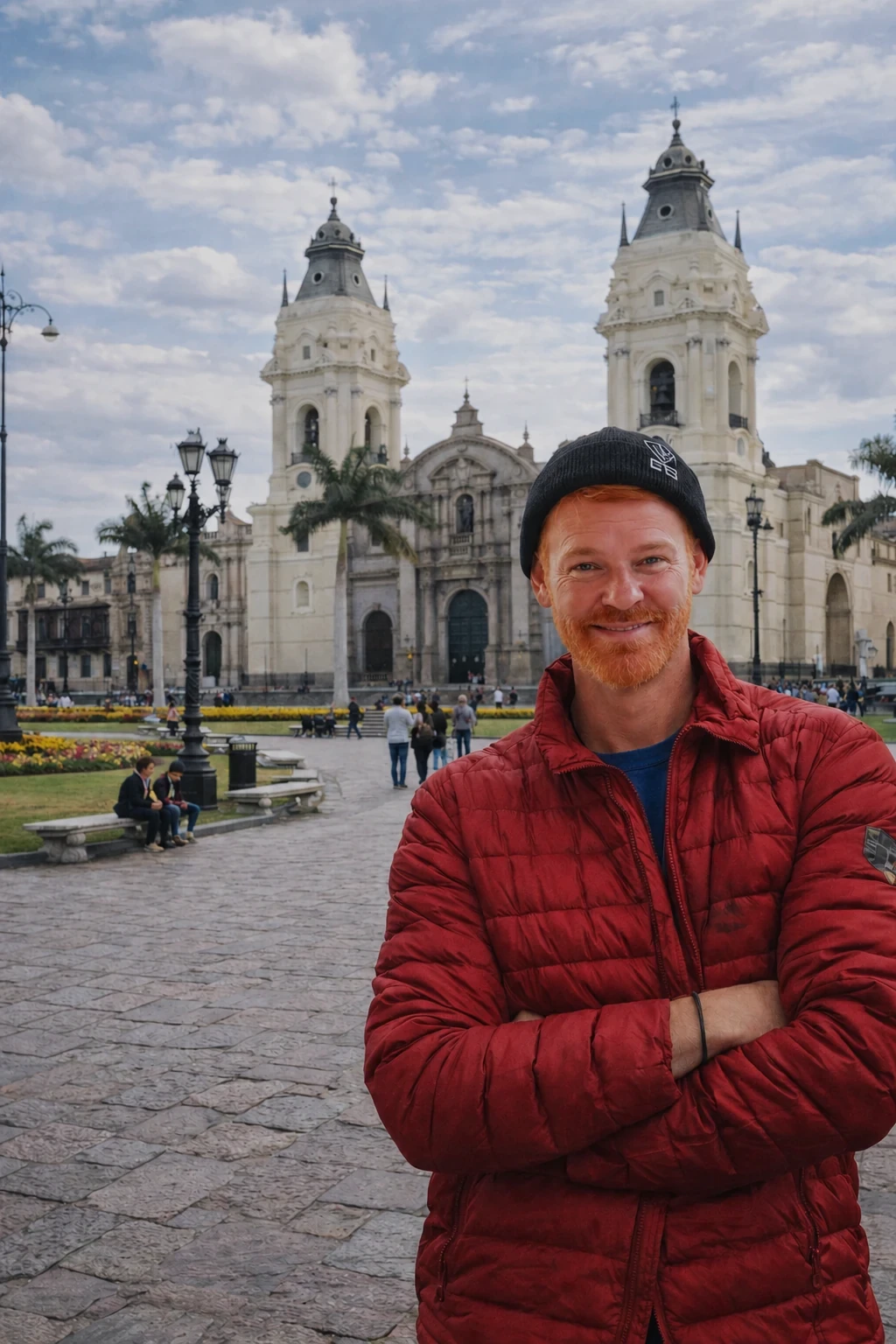
Plaza Mayor, churches and the colonial layer of the capital. A completely different register from the coast.
The original concept positioned Lima as the cultural and culinary opening. Keep that idea: leave space to observe instead of racing through the capital before a flight to Cusco.
Check in, learn the neighbourhood and walk the Malecón. If timing works, let the Pacific deliver the first sunset.
Spend part of the day in the Historic Centre, then shift the mood in Barranco.
Food, a museum, a market or simply an unhurried morning before flying to Cusco.
Lima is easy to shape once four things are clear: season, number of nights, neighbourhood and the pace you want before heading to altitude.
The coast stays mild year-round. Austral summer generally brings brighter days; winter, especially June through August, is known for garúa and grey skies. That is not “bad weather” — it simply changes the city’s light and mood.
2 nights cover the essentials; 3 let Miraflores, Barranco and the historic centre breathe, with a cleaner transition into Cusco.
For most international travellers, Lima is Peru’s main air gateway. Pre-arrange your airport transfer and choose your base for the experience, not just the map distance.
Flights and hotel form the skeleton. If there is one restaurant or culinary experience you really want, book it; the rest can stay more fluid than the Machu Picchu chapter.
Miraflores is the simplest first-time base; Barranco suits travellers who value atmosphere and do not mind a little more moving around.
Lima is sprawling. Three neighbourhoods lived well usually beat a day spent crossing the city.
Peru introduces itself at the table too. Choose experiences that fit the way you actually like to eat.
Altitude comes next. Do not arrive in Cusco already drained by an overloaded Lima schedule.
Miraflores is usually the easiest first-time base. Barranco has more character and suits travellers who value art, atmosphere and walking.
Two work. Three feel more like LTS: Pacific/Barranco, historic/gastronomic Lima, then a looser final day.
For the LTS route, Lima first works beautifully: you arrive at sea level, read the country through the coast, then move into the Andes.
Usually not, but wind, humidity and garúa can make a light layer useful, particularly at night and in cooler months.
Practical information checked against official sources. Rules, schedules and availability may change; reconfirm before travel.