Choose three chapters
Lima + Cusco + Sacred Valley/Machu Picchu, accepting a more compact journey.
From the Pacific to the Andes, Peru works best when each chapter prepares the next. Lima opens the journey, Cusco changes altitude and context, the Sacred Valley slows the pace and Machu Picchu closes the arc.
The order of your bases changes comfort, transfers and the way the destination unfolds. This logic moves from sea level to altitude and from urban context to the iconic climax.
The strongest route avoids unnecessary backtracking and leaves real room for acclimatisation.
Lima + Cusco + Sacred Valley/Machu Picchu, accepting a more compact journey.
Lima + Cusco + Sacred Valley + Machu Picchu, with a real overnight in the valley.
More time in Lima or the Sacred Valley, fewer operational nights and more comfortable transfers.
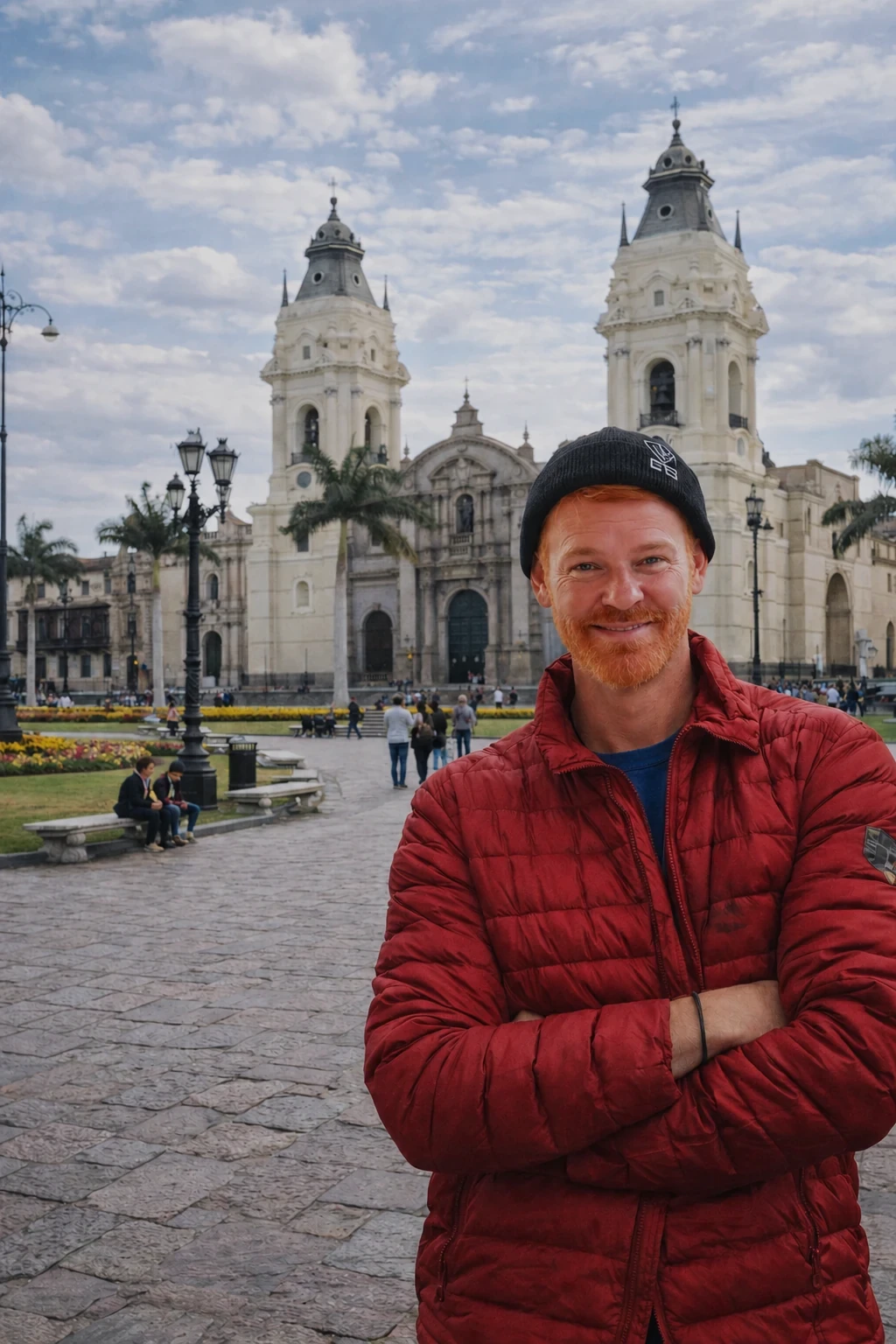
Urban opening, neighborhoods, food culture and a softer arrival before the Andes.
Open Lima →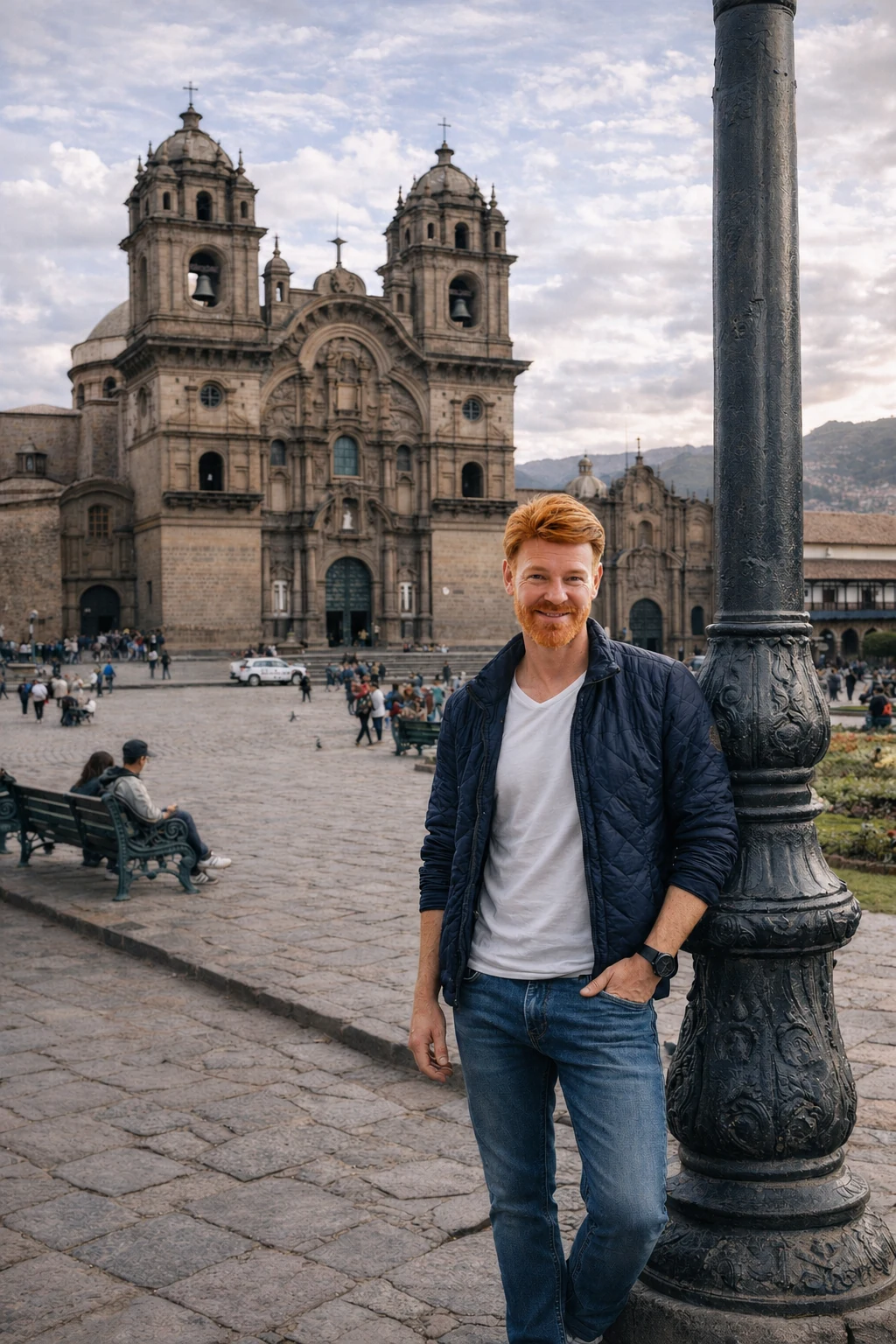
Acclimatisation, heritage and historical context before moving into the valley.
Open Cusco →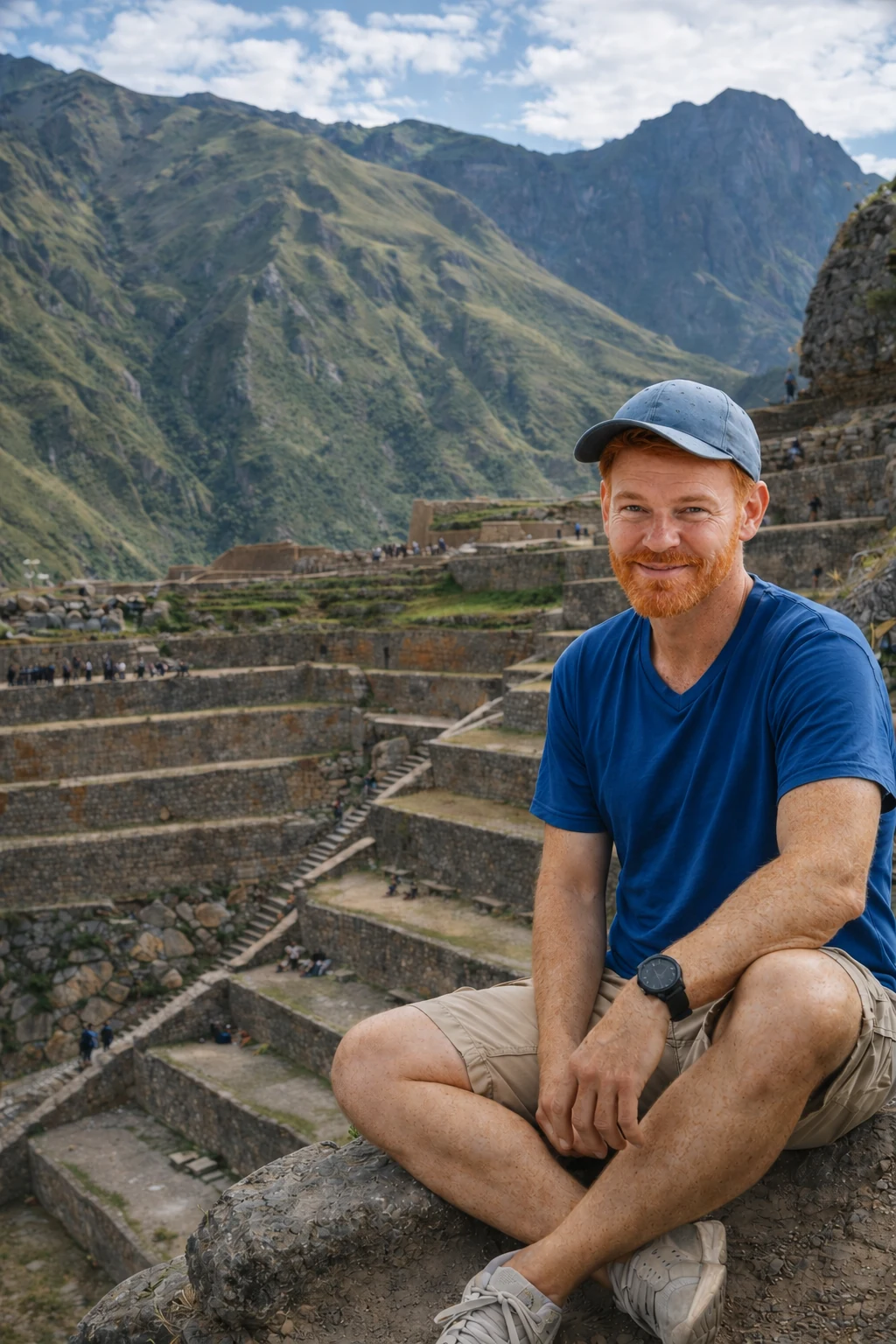
A chapter to slow down, stay overnight and turn movement into part of the experience.
Open Sacred Valley →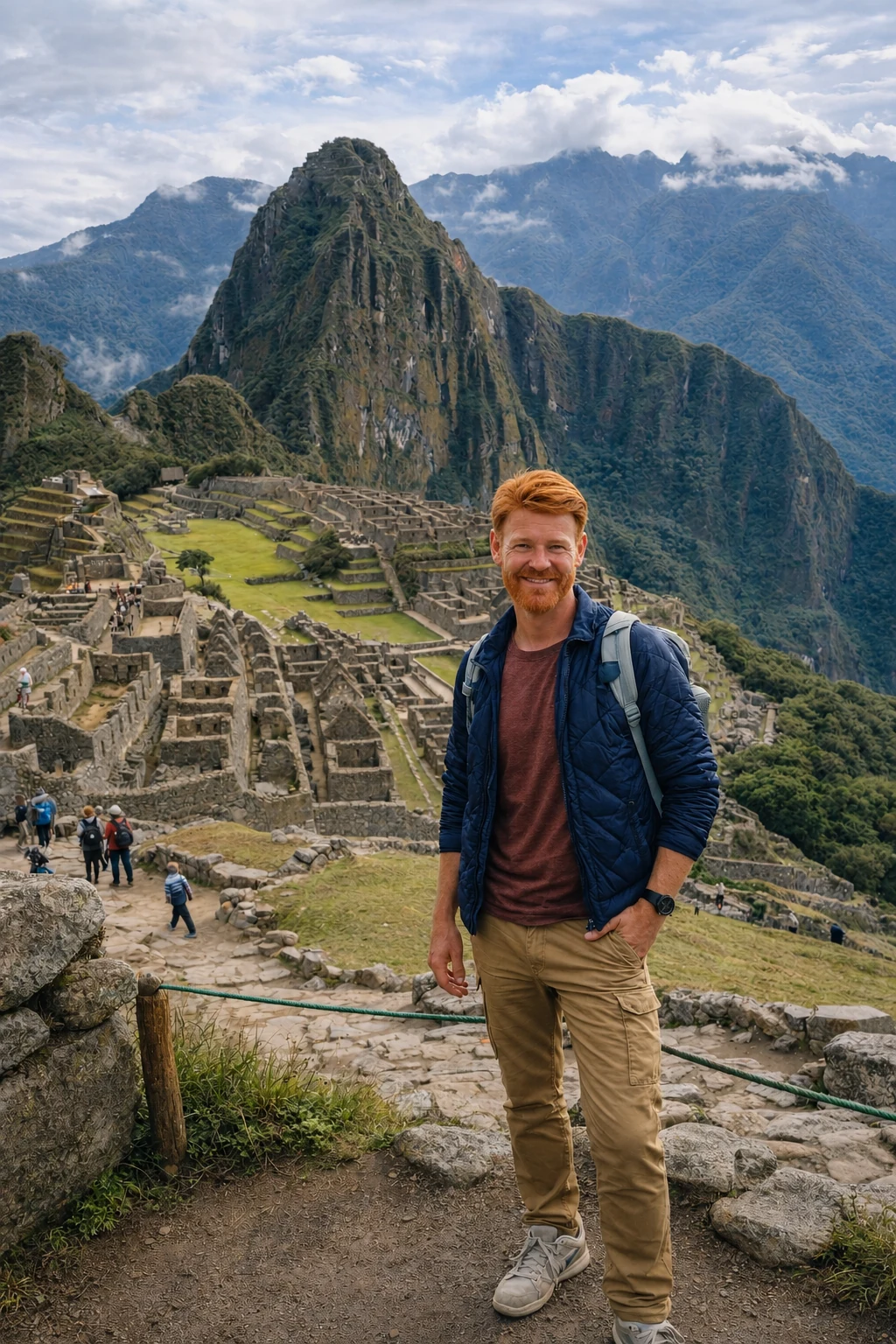
Circuit and entry time first; train, base and pace second.
Open Machu Picchu →Starting in Lima gives you a sea-level opening before altitude. Cusco and the Sacred Valley should align with your Machu Picchu entry time.
Cusco needs margin. Your first day does not need to be full — acclimatisation is part of the itinerary.
Sleeping in the valley reduces the day-trip feeling and creates a more elegant transition toward Machu Picchu.
Set ticket, circuit and entry time before buying the train and finalising the last leg of the route.
Each guide goes into base, pace, logistics and what is worth prioritising without turning the trip into a checklist.