Circuit 1 · Panoramic
Prioritises broad landscape views and includes routes such as Machupicchu Mountain and Upper Terrace; some options are seasonal.
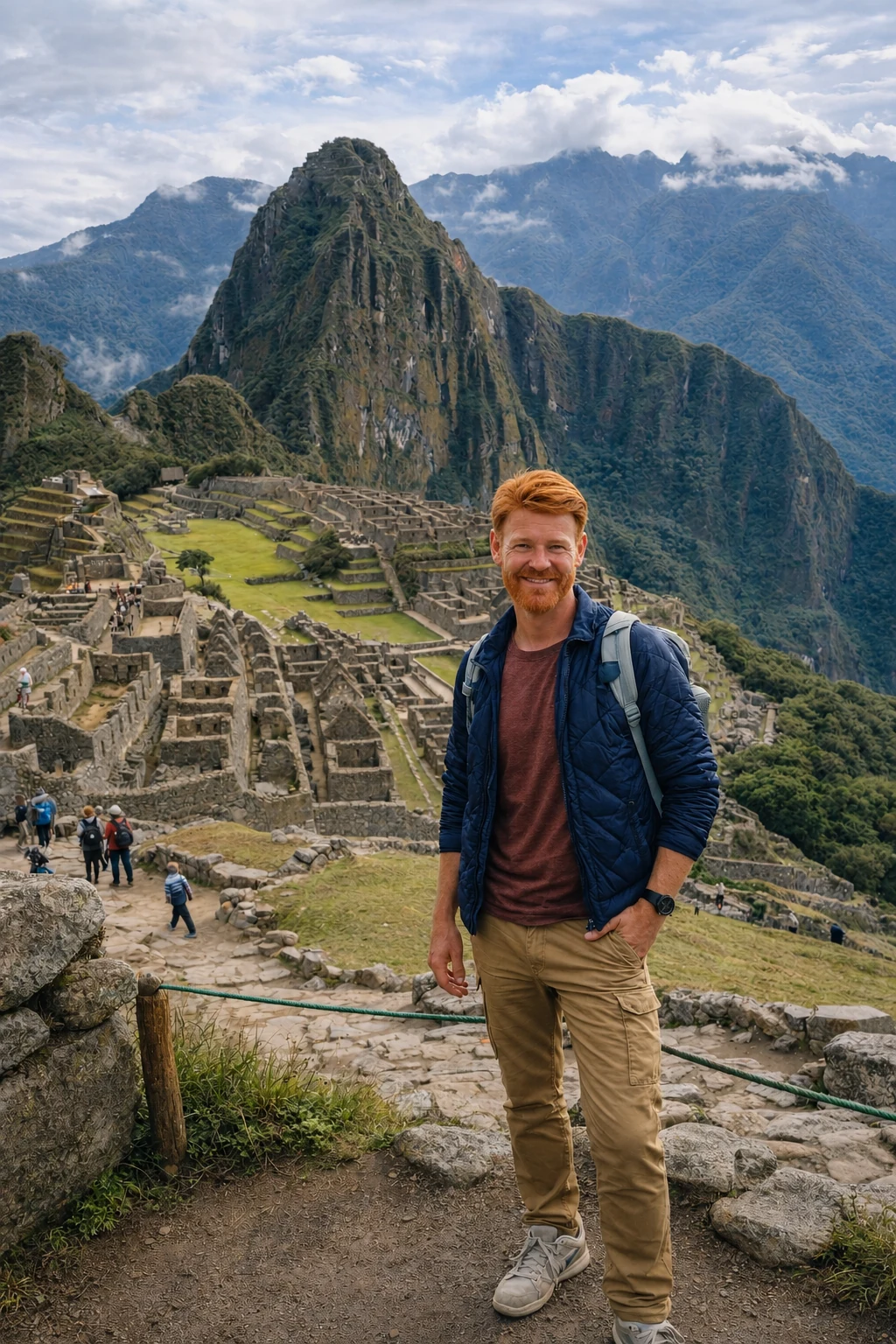
Machu Picchu is the climax of the route — but the experience starts before the gate. Circuit, ticket, train, base and timing must work together so the icon does not become a logistics exercise.
Choose the experience before booking.
Use the Ministry of Culture platform.
Arrive with context, not haste.
Your base changes timing and transfers.
The original project positioned Machu Picchu as the closing chapter, with flexibility to make it more contemplative or more compact. That remains the key question: do you simply want to arrive, or do you want to design the day so arrival has space?
Machu Picchu is the climax of the route — but the experience starts before the gate. Circuit, ticket, train, base and timing must work together so the icon does not become a logistics exercise.
Prioritises broad landscape views and includes routes such as Machupicchu Mountain and Upper Terrace; some options are seasonal.
Routes 2-A and 2-B organise a more classic reading of the llaqta. Availability should be checked before anything else.
Explores the lower sector and includes options such as Waynapicchu; some routes operate only in high season.
A common mistake is buying train or hotel first and leaving the entrance for later. Reverse that order: circuit and time shape the whole day.
Choose circuit and route through the official system. Do not rely on last-minute availability.
Decide between the Sacred Valley, Ollantaytambo or Machu Picchu Pueblo according to your entrance time.
Fit transport around the ticket, allowing realistic transfer and boarding margins.
Know your route before entering. For a more contemplative day, avoid an overly tight return schedule.
The right order is circuit and route → entry time → base → train and transfers. Reversing that order is where most awkward logistics begin.
Machu Picchu operates year-round, but some routes are seasonal and weather changes the feel of the visit. Rather than chase a “perfect month”, check the route available and balance climate, demand and travel style.
One night in Machu Picchu Pueblo is useful for an early entry or extra margin. A same-day run from the Sacred Valley can also work when timings align.
On the rail route, the train takes you to Machu Picchu Pueblo; from there you continue to the llaqta according to your plan. The Inca Trail is a separate, regulated experience.
Official entrance ticket with circuit/route and time. Only then lock train and hotel. The current system has 3 circuits grouping 10 routes.
Bags and backpacks larger than 40 × 35 × 20 cm are not allowed.
Tripods, monopods, selfie sticks and camera extensions are prohibited.
Umbrellas, food and other items listed in the official code of conduct cannot enter the llaqta.
Stay on the route you purchased; the ticket is not free access to every area.
The Ministry of Culture directs online purchases to TuBoleto.
Machupicchu Pueblo offers up to 1,000 tickets daily for entry the following day. Do not make that the main plan for a premium trip.
Since June 2024, visits operate through 3 circuits grouping 10 routes. Your ticket defines your experience.
Schedules, seasonal routes and availability can change. Recheck shortly before departure.
There is no universal best. Circuit 1 is panoramic; Circuit 2 contains the classic routes; Circuit 3 focuses on the lower sector and options such as Waynapicchu.
Limited in-person sales exist in Machu Picchu Pueblo for entry the following day, but that is not a good strategy if you want predictability.
It makes sense when your entry time calls for it or when you want to reduce a chain of same-day connections. In other routes, the Sacred Valley can be a more rewarding base.
Cameras and phones are one thing; stabilization accessories are another. Tripods, monopods, selfie sticks and similar extensions are prohibited.
Practical information checked against official sources. Rules, schedules and availability may change; reconfirm before travel.