Europe • Eastern Europe

Eastern Europe: imperial cities, walls, historic cafés, Orthodoxy, sea and a Europe that still feels less obvious

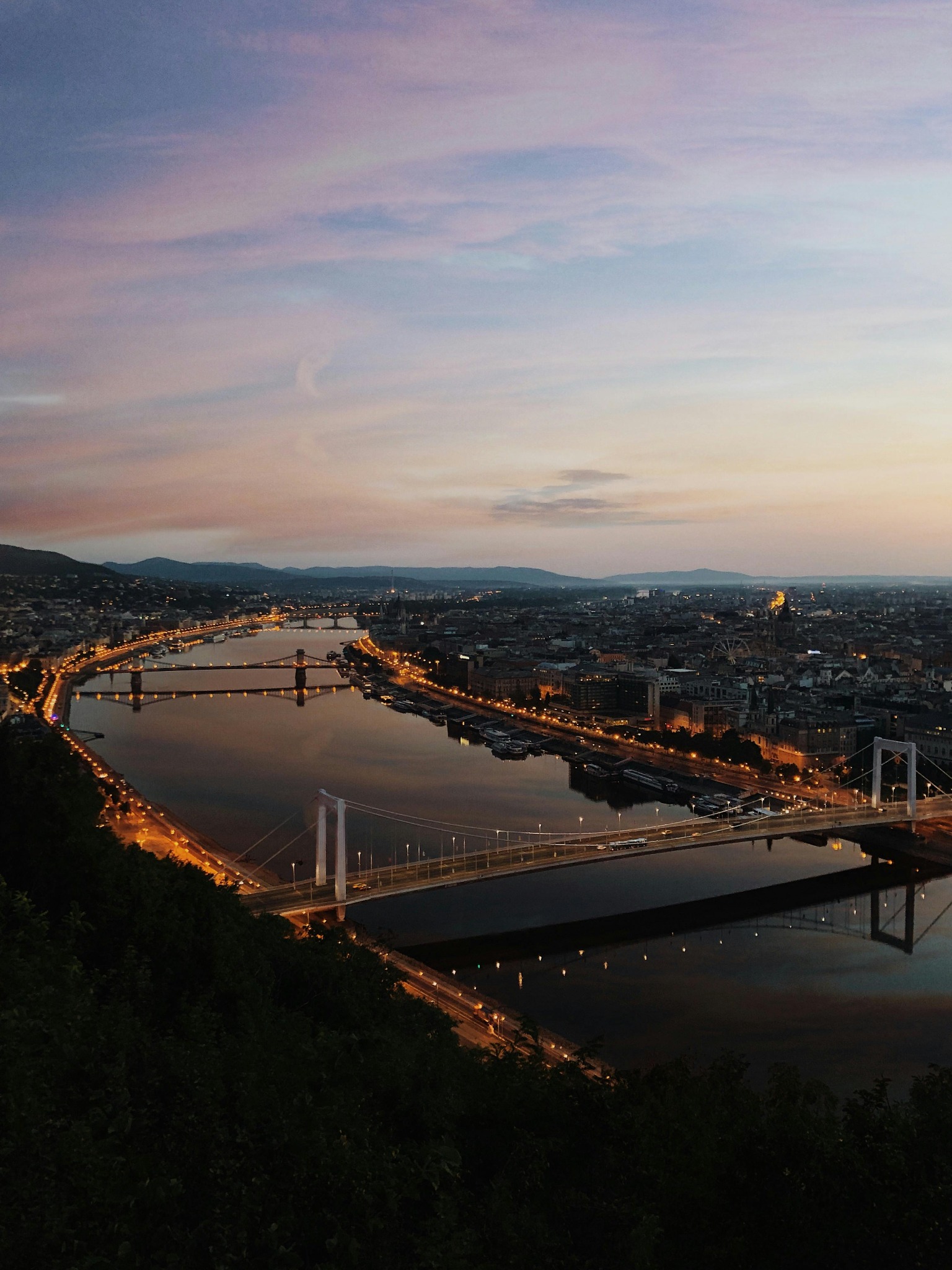
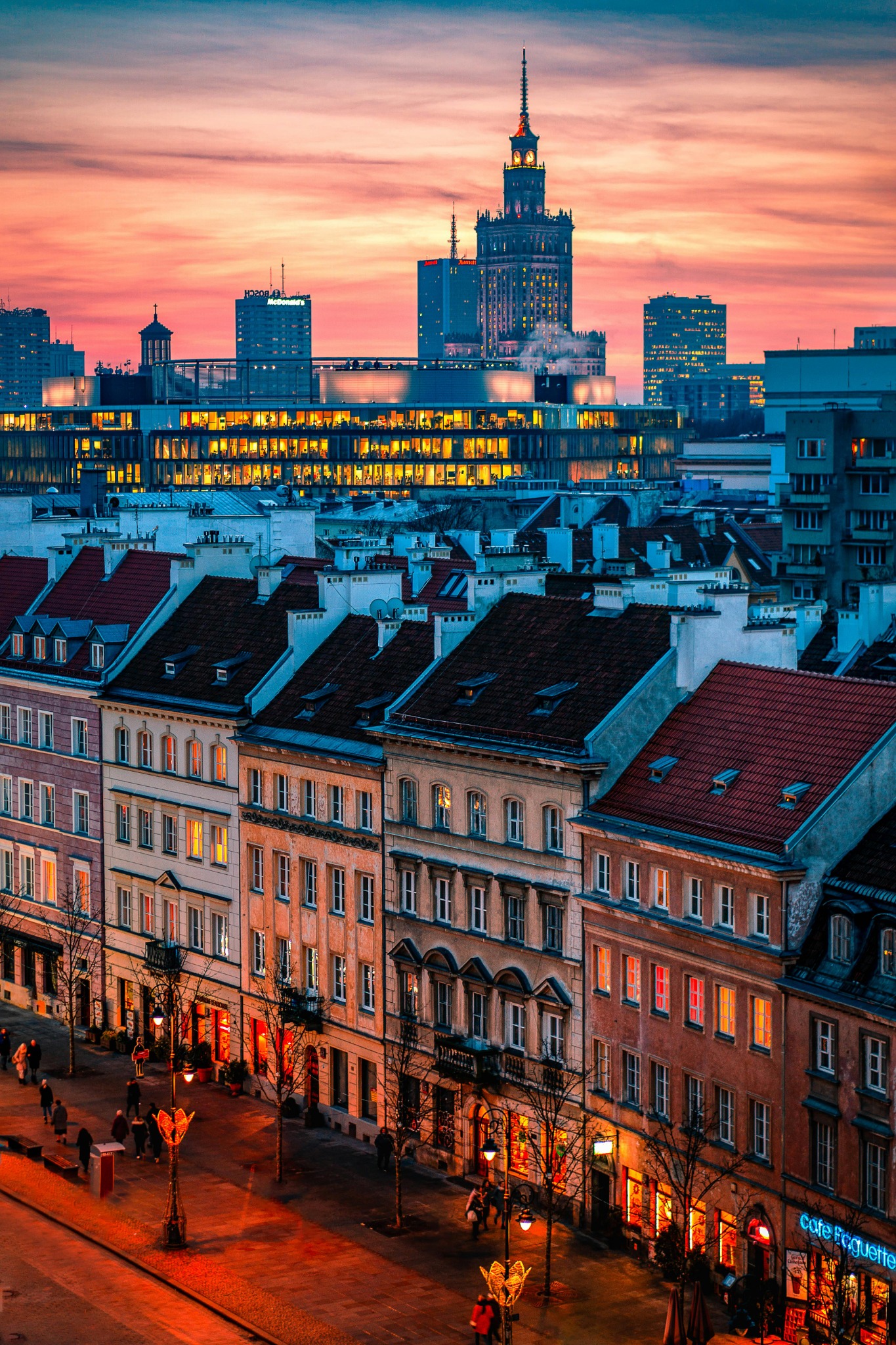
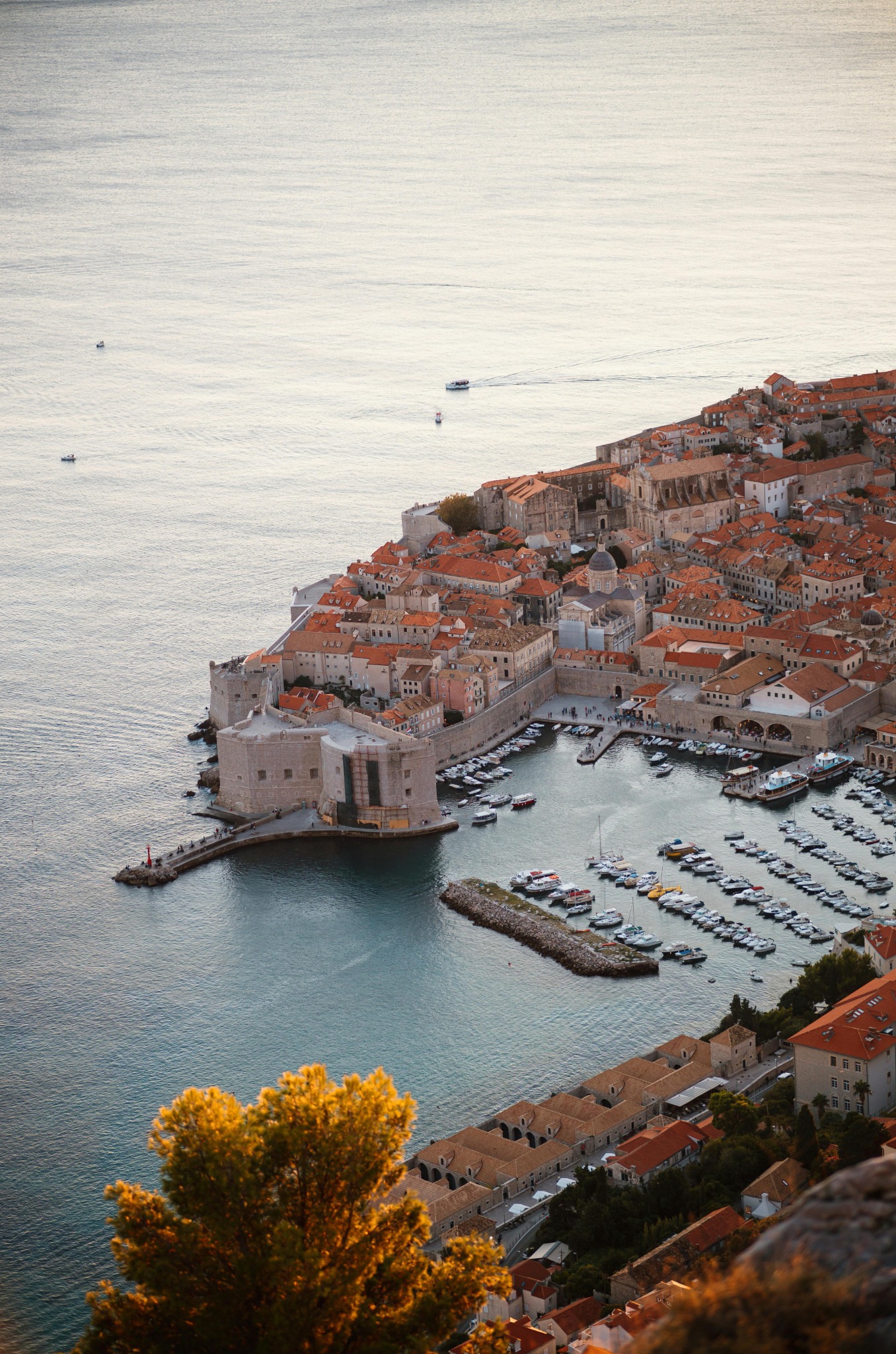
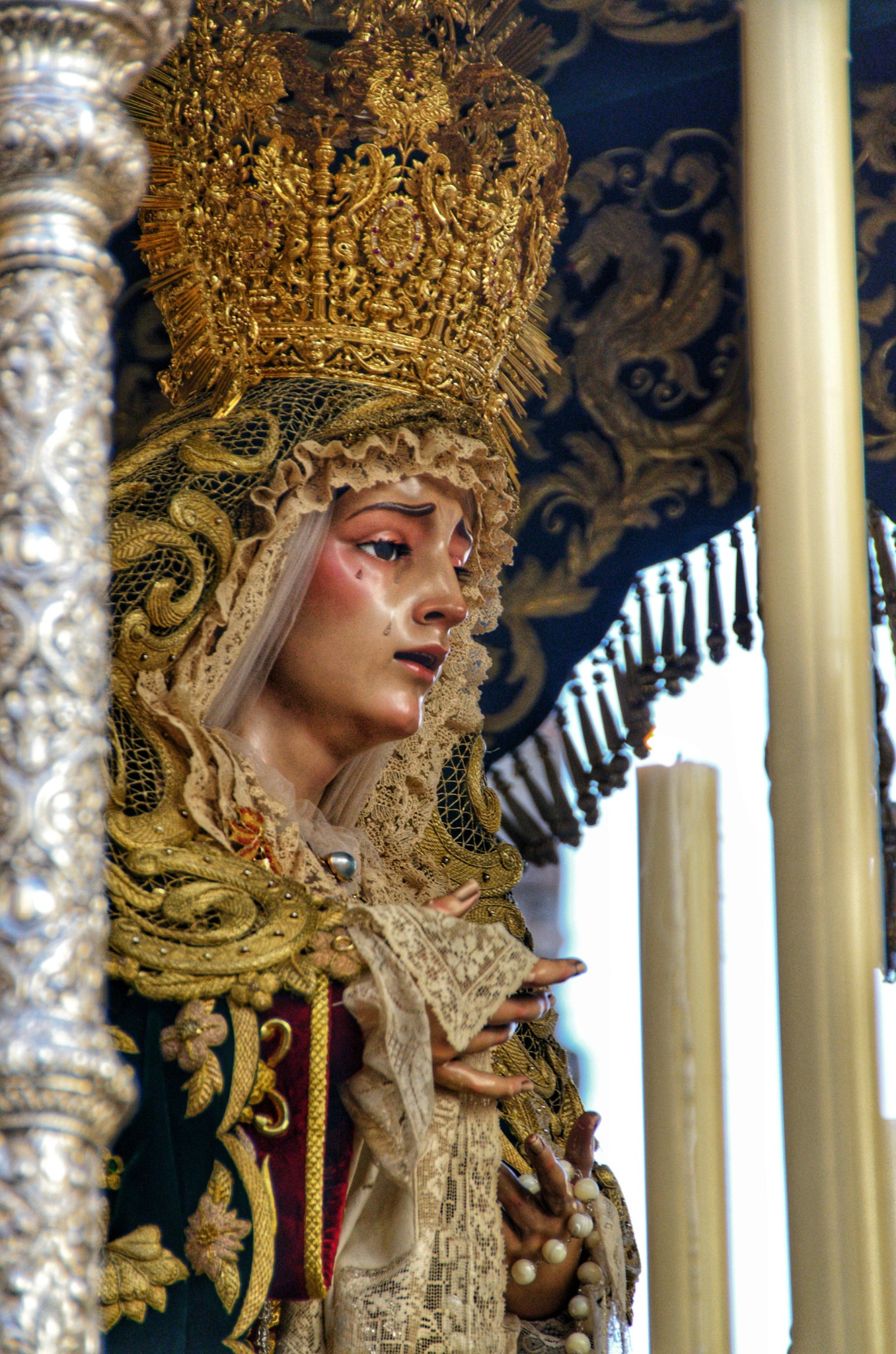
What many travelers call Eastern Europe is, in practice, a mosaic of atmospheres: Central Europe, the Balkans, Danubian cities, Adriatic coasts, capitals marked by Soviet memory, castles, Orthodox churches and places that still carry a welcome sense of discovery. This page works as an editorial hub for that region.

Why it fascinates

A Europe of contrast, historical density and discovery

Eastern Europe often attracts for several reasons at once: beautiful cities, relative value compared with more obvious western routes, powerful architecture, imperial and Soviet memory, vivid summer nights, fairy-tale winters and a very good feeling of “Europe not entirely over-domesticated yet.”

What unites the region

History, identity and layers

Castles, squares, churches, walls, baths, cafés, trains, rivers, markets and a strong visual identity help stitch the region together.

What changes

It is not one block

Prague and Budapest do not tell the same story as Dubrovnik, Warsaw or Sofia. The trip improves dramatically when the region is read through travel axes rather than as a generic bundle.

This is a Europe that mixes beauty, historical density and a welcome freshness of discovery that many travelers miss in more overexposed destinations.
Main shortcuts

Five strong doors into Eastern Europe

Each child page opens a different universe inside the region.
Traveler profiles

Who usually loves this region

Travelers drawn to architecture

From imperial capitals to walls and monumental churches, the region is visually rich.

Travelers seeking better value

Many cities still allow a strong European experience at more balanced prices than the classic western axis.

Travelers wanting another Europe

The sense of novelty and less repeated references is one of the region’s strongest attractions.

Travelers who like dense history

Empires, wars, borders, religion, communism and reconstruction appear very strongly throughout the route.

Closing note

A hub for one of the continent’s most seductive regions

Eastern Europe can be medieval, imperial, Soviet, maritime, Orthodox, Danubian and deeply charming at the same time. The best way to navigate it is through strong travel axes — and these five doors already build an excellent base.