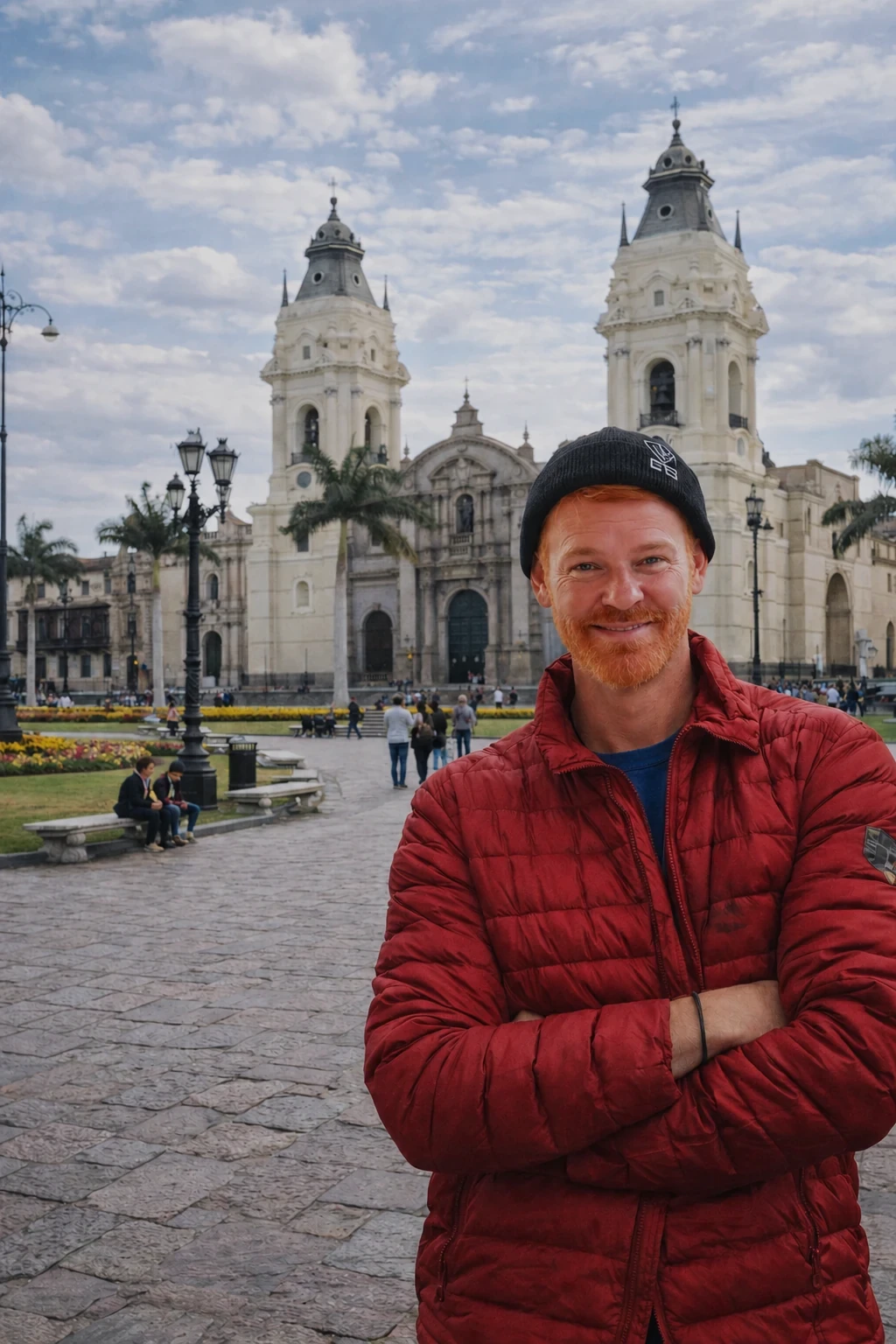
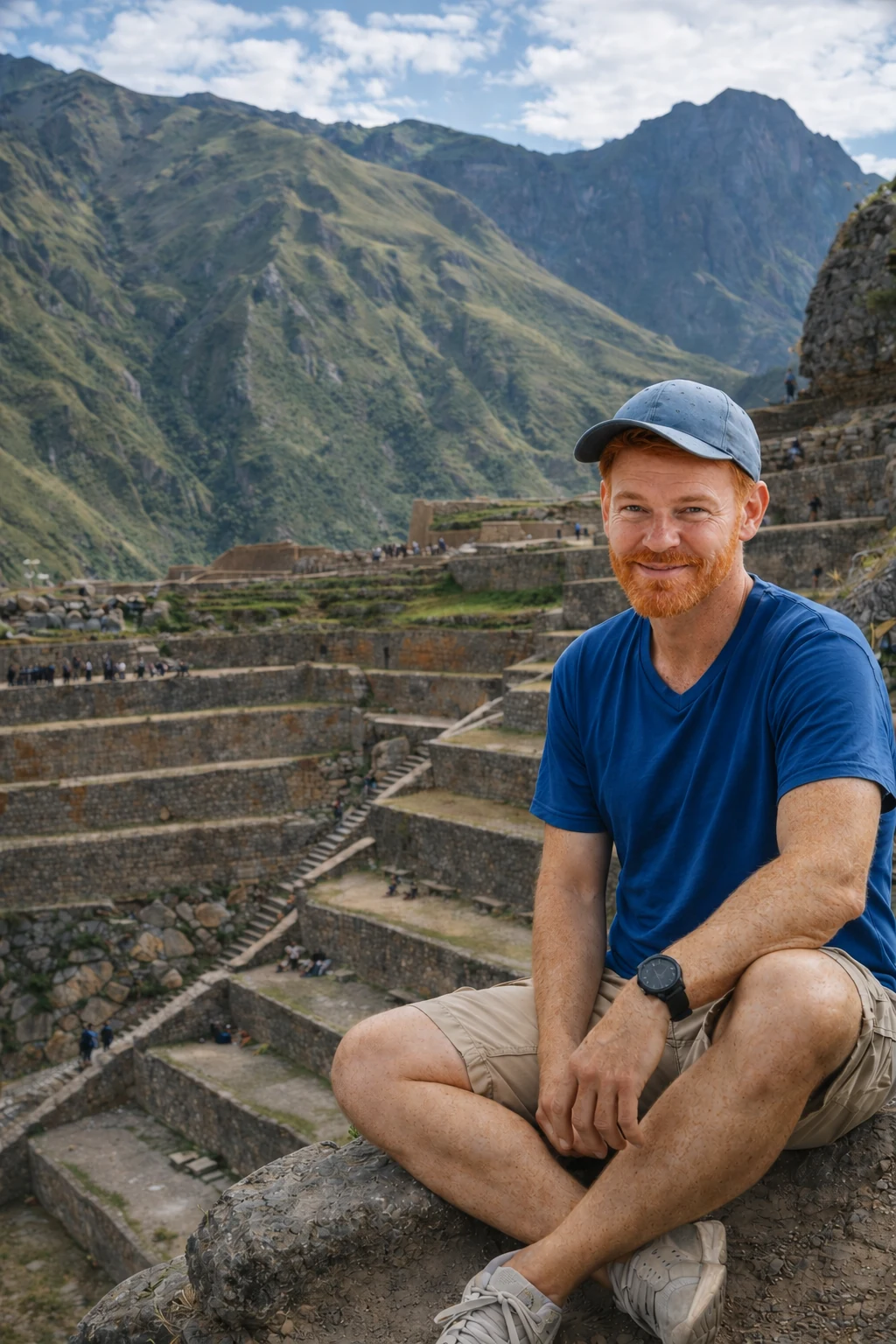
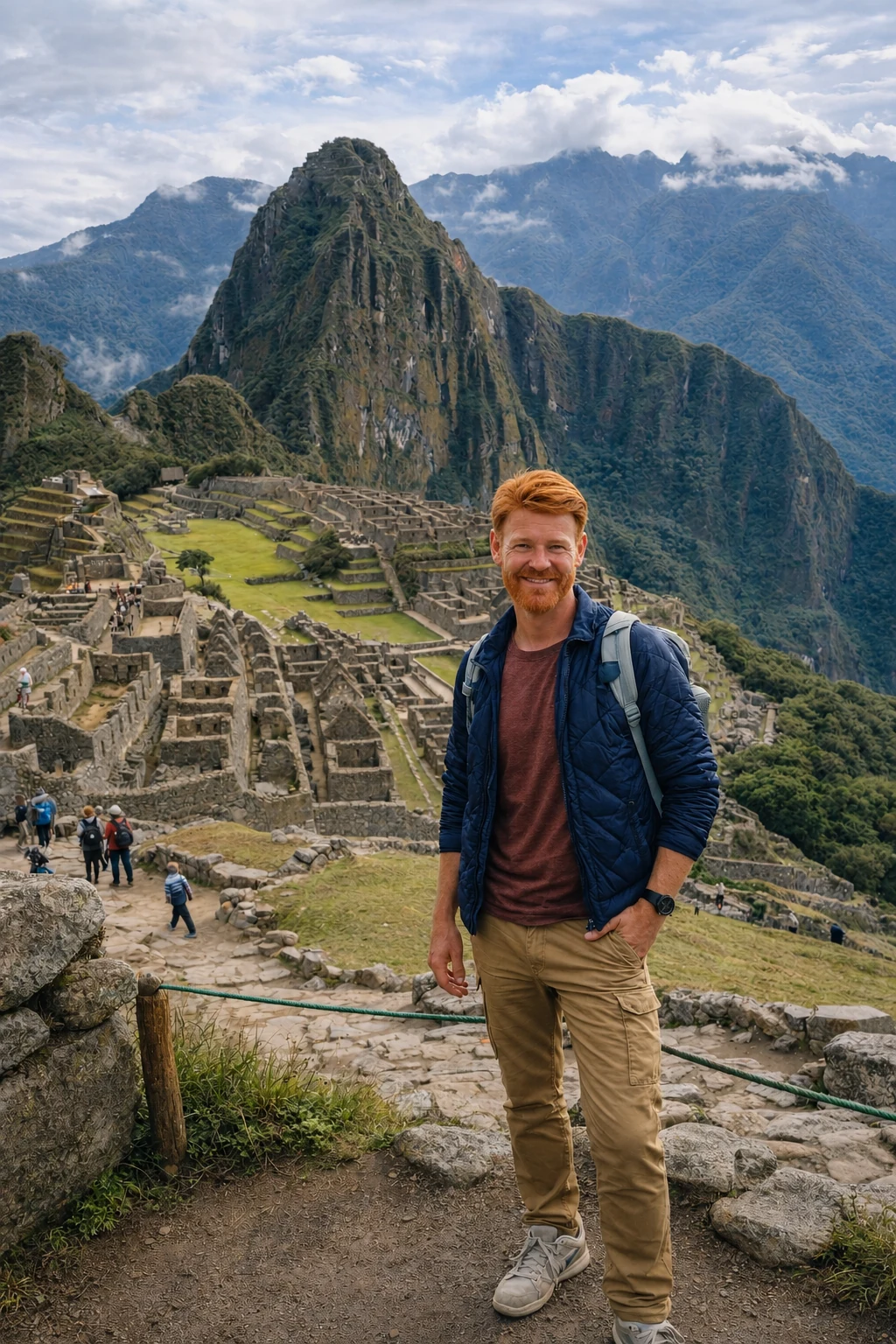
Historic Centre
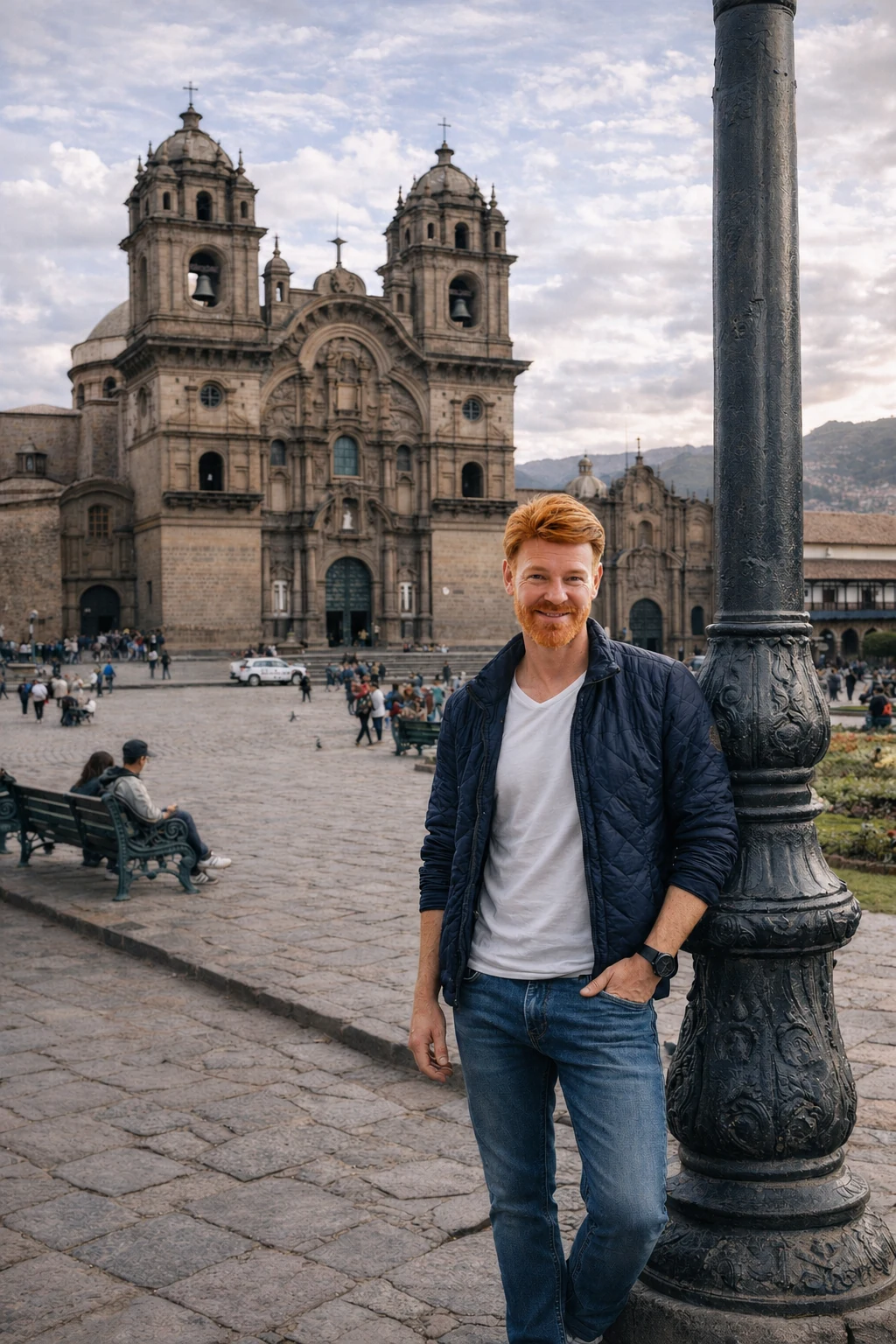
Plaza de Armas, Qorikancha and streets where Inca and colonial layers remain in conversation.
Cusco is the chapter of acclimatisation, heritage and context. Before the headline moment of the trip, the city rewards a more human pace — and is far more than a staging post for Machu Picchu.
Build margin into arrival day.
City first; surroundings second.
Context that changes Machu Picchu.
Slow the journey before the climax.
The original route gave Cusco a clear purpose: acclimatisation, city, heritage and local atmosphere — context before the iconic stretch. That remains the smartest way to experience it: arrive, slow down, understand the former Inca capital, then move into the Sacred Valley.
Cusco is the chapter of acclimatisation, heritage and context. Before the headline moment of the trip, the city rewards a more human pace — and is far more than a staging post for Machu Picchu.
Plaza de Armas, Qorikancha and streets where Inca and colonial layers remain in conversation.
Slopes, workshops and a smaller urban scale. A neighbourhood for walking slowly, not ticking boxes.
Where city and Andean landscape begin to merge — useful context before the Sacred Valley.
Cusco works best when arrival is not a marathon. Build context and acclimatisation before longer transfers.
Check in, eat lightly, take a short walk and rest if you need it. Arrival is not a fitness test.
Centre, Qorikancha, San Blas and time for markets, cafés or simply being in the city.
Saqsaywaman and nearby sites, with intensity adjusted to how you are feeling.
Move into the Sacred Valley and consider sleeping there rather than automatically returning to Cusco.
Cusco sits close to 3,400 m. The better itinerary is not the one that squeezes more into day one; it is the one that leaves room to acclimatize.
For itineraries built around walking and Andean roads, drier months tend to be simpler. Mountain weather still shifts quickly, so choose the season around the experience rather than a single “perfect” month.
2 nights are the comfortable minimum for city + arrival; 3 work better if you want nearby sites without racing.
Flying from Lima is the common route. Because the altitude jump is abrupt, treat the first hours as arrival, not a fitness test.
If Machu Picchu is part of the trip, secure its entrance circuit/route first; then align train, Sacred Valley and hotel nights around that date.
Cusco sits around 3,400 metres. Travellers with medical conditions or significant symptoms should seek professional advice.
Do not lock the first hours into an inflexible agenda; individual responses vary.
The Historic Centre is convenient for city time; the Sacred Valley calls for a different base.
With enough time, an overnight in the valley changes both pace and logistics.
Both can work. Sleeping lower in parts of the Sacred Valley can make the altitude transition gentler; Cusco first gives the journey a stronger historical opening.
Yes. It changes both pace and logistics and avoids treating the valley as a long commute.
For a first visit, near the historic centre is usually easiest. If hills are an issue, factor that into the exact hotel location.
Not really. Individual response varies; rate of ascent and acclimatization matter more than simply being “fit”.
Practical information checked against official sources. Rules, schedules and availability may change; reconfirm before travel.