Andean altitude, spring-like valley weather, Caribbean walls and a seven-colored sea. The best trip starts by choosing the contrasts you want to experience — then giving each one enough time.

Altitude, museums, neighborhoods and a capital that works better with context.
2–3 nights →
Mild weather, urban design, transformation and a particular relationship with the mountains.
2–3 nights →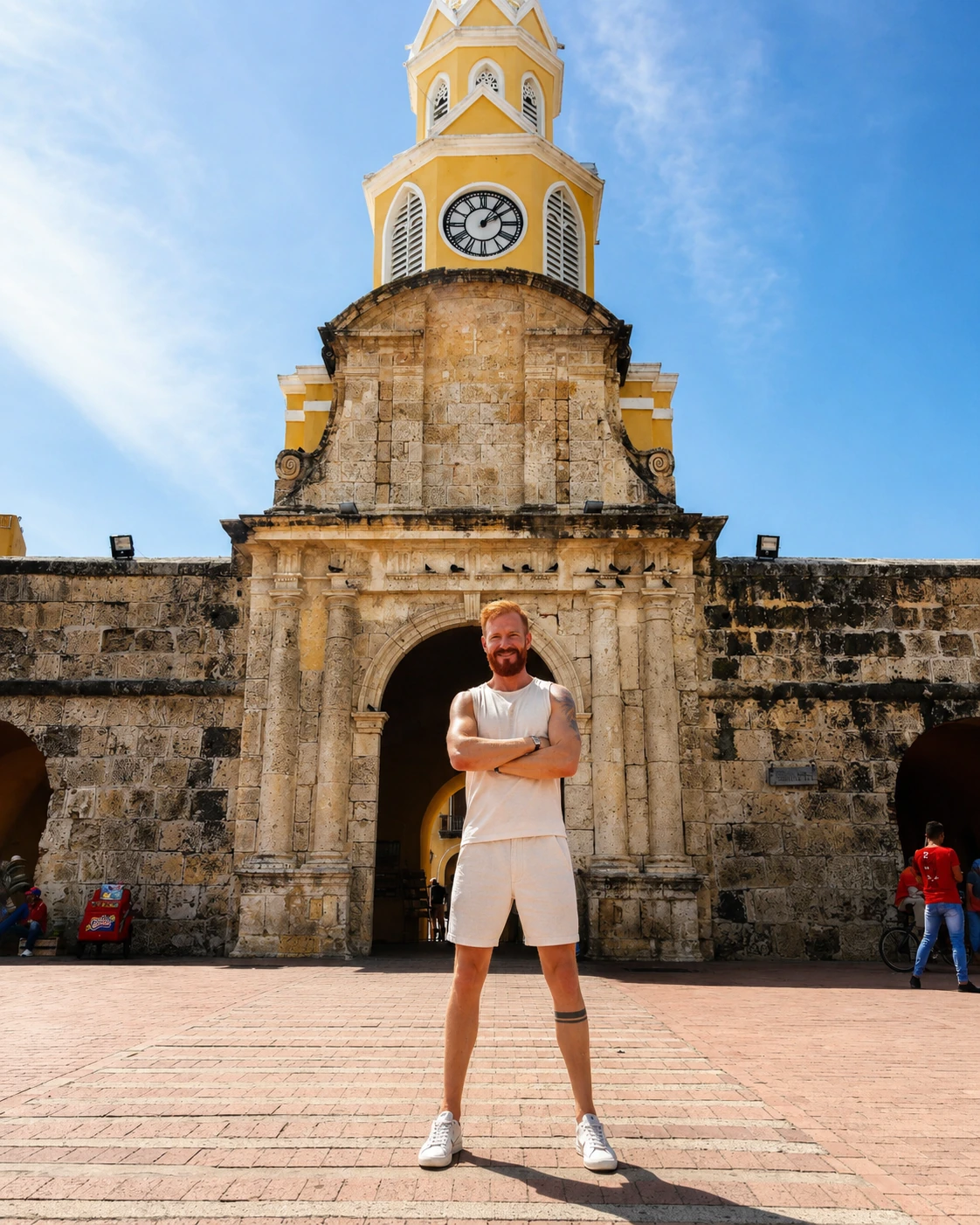
Walls, architecture, heat and a pace that improves when midday gets a proper break.
3 nights →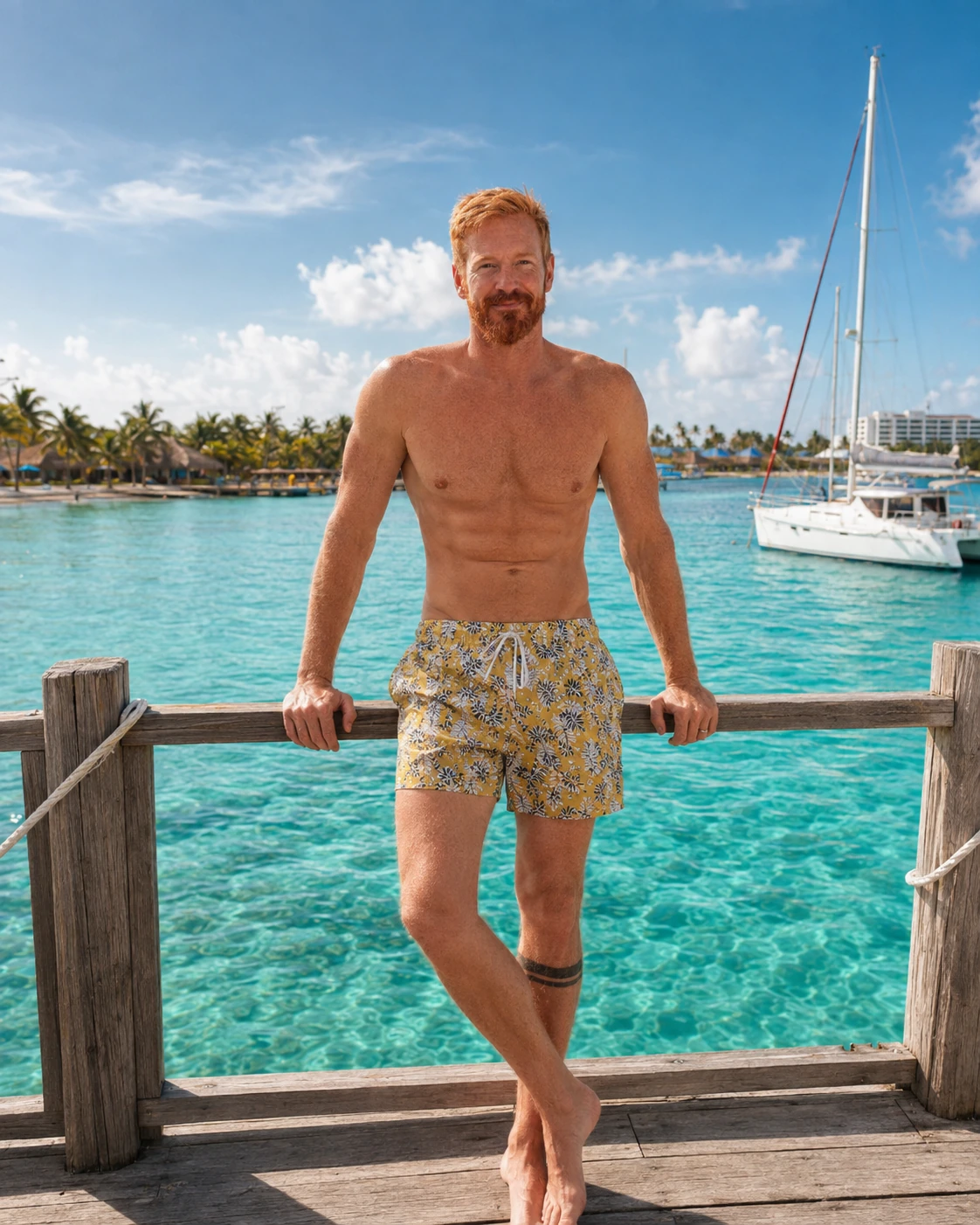
Seven-colored sea, downtime and water as the main event. Better as a real extension than a rushed stop.
3–4 nights →Bogotá + Cartagena gives the sharpest contrast; Medellín + Cartagena reduces altitude adjustment.
Bogotá + Medellín + Cartagena, using internal flights and at least two full nights in each base.
Bogotá or Medellín + Cartagena + San Andres. Give the island its own time and weather margin.
Bogotá + Medellín + Cartagena + San Andres, with real buffers for transfers and rest.
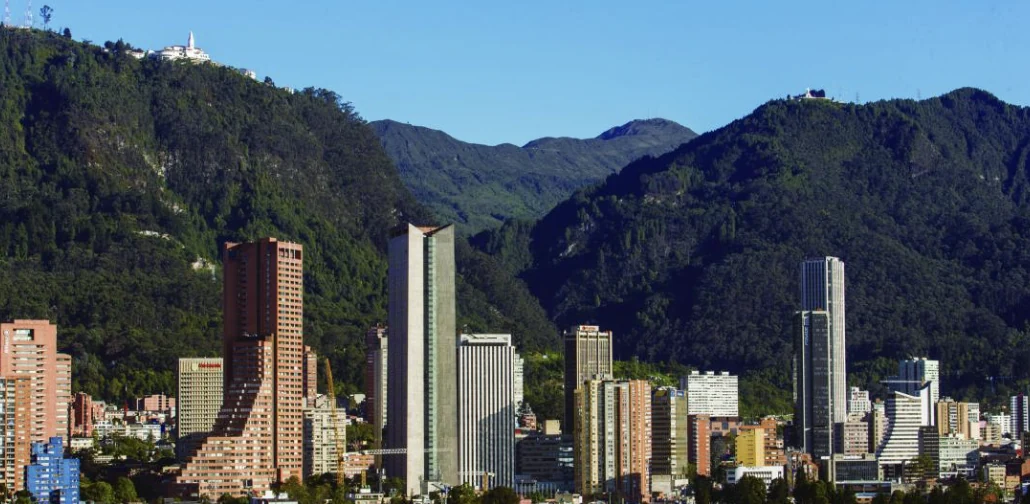
Bogotá requires some adjustment to altitude and weather. Start with the historic center and museums, save Monserrate for a clear window, then move into the northern neighborhoods. Do not treat the capital as a mere stopover.
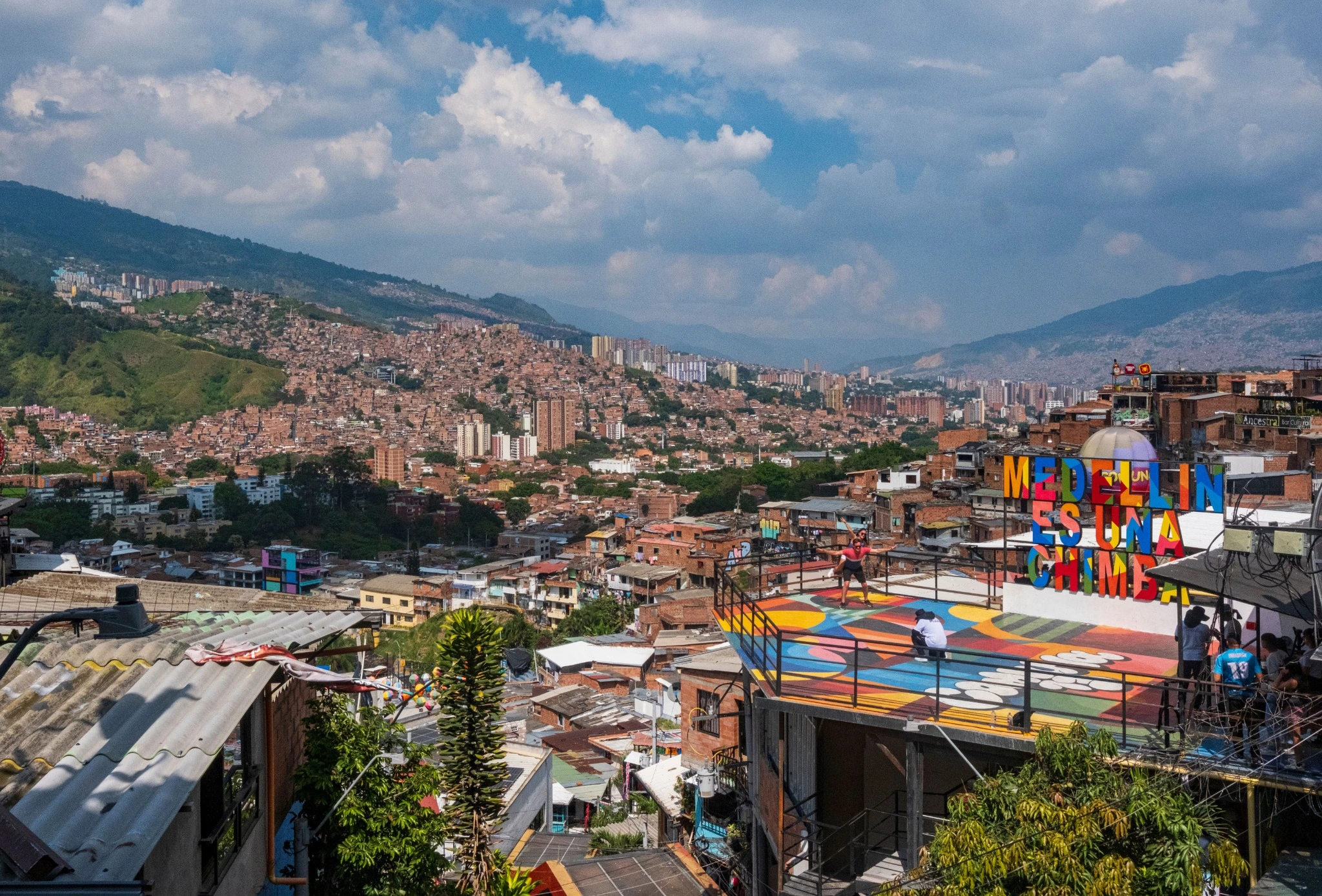
Medellín works through the relationship between valley, neighborhoods, transport and urban transformation. Comuna 13 matters, but balance it with other parts of the city so Medellín is not reduced to one narrative.
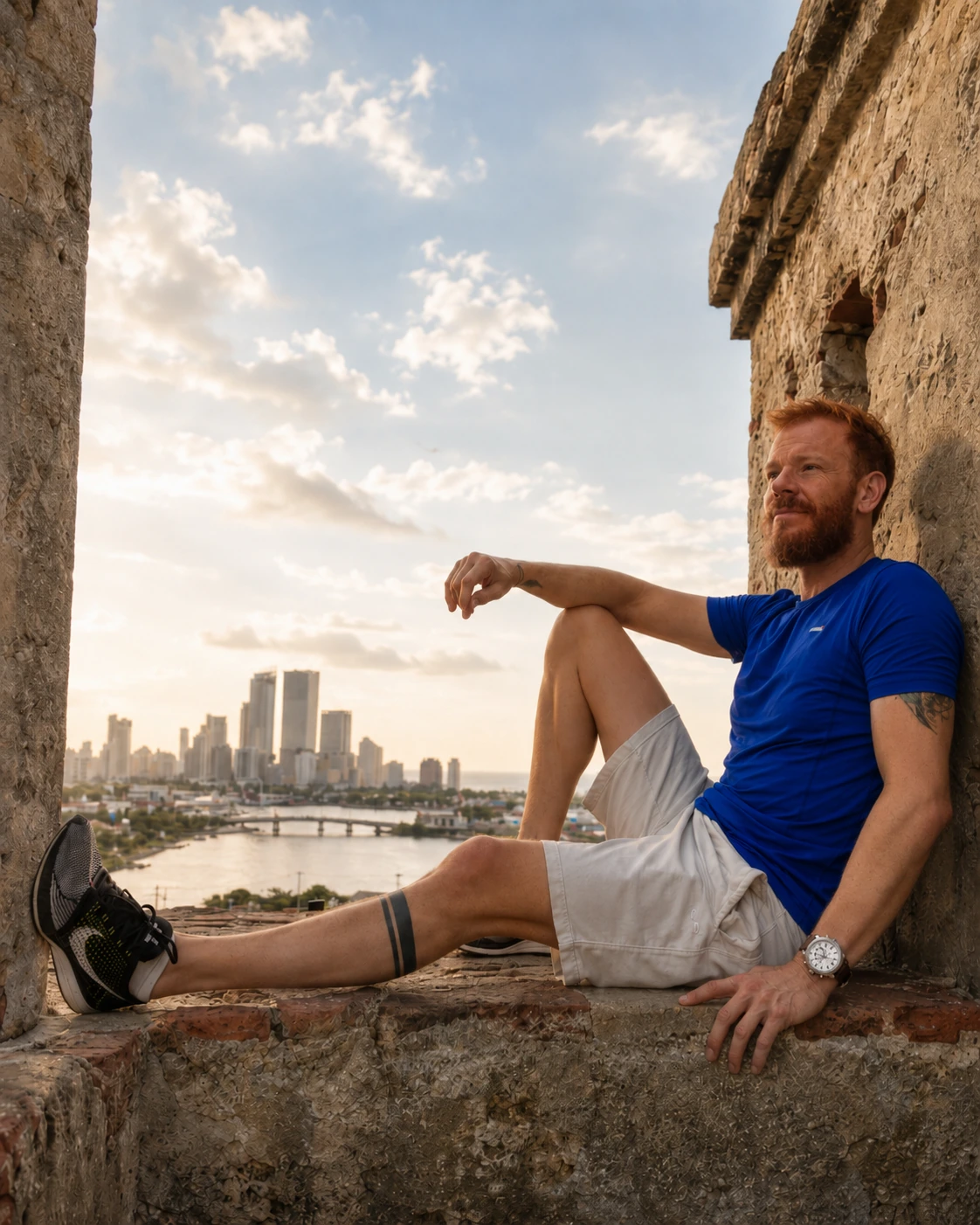
Cartagena brings architecture and atmosphere, but heat changes the schedule. Mornings and late afternoons are better for walking; midday needs shade and less ambition. Treat a boat day as a separate rhythm.
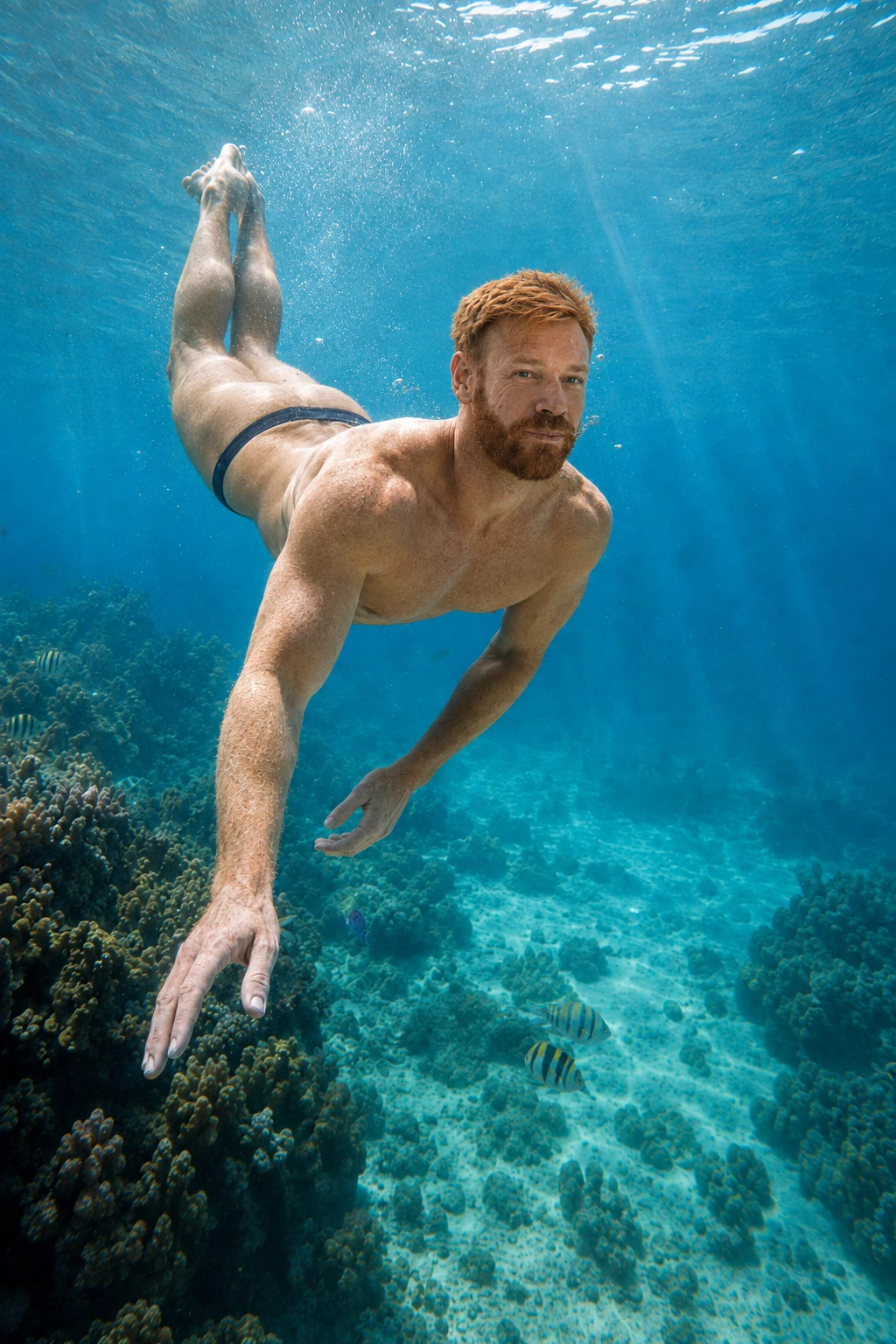
San Andres changes the axis of the trip completely: water becomes the focus. Leave room for wind and sea conditions and use the island as a real extension rather than a rushed stop.
Click to exploreSome links may earn Lipe Travel Show a commission at no extra cost to the traveler.