
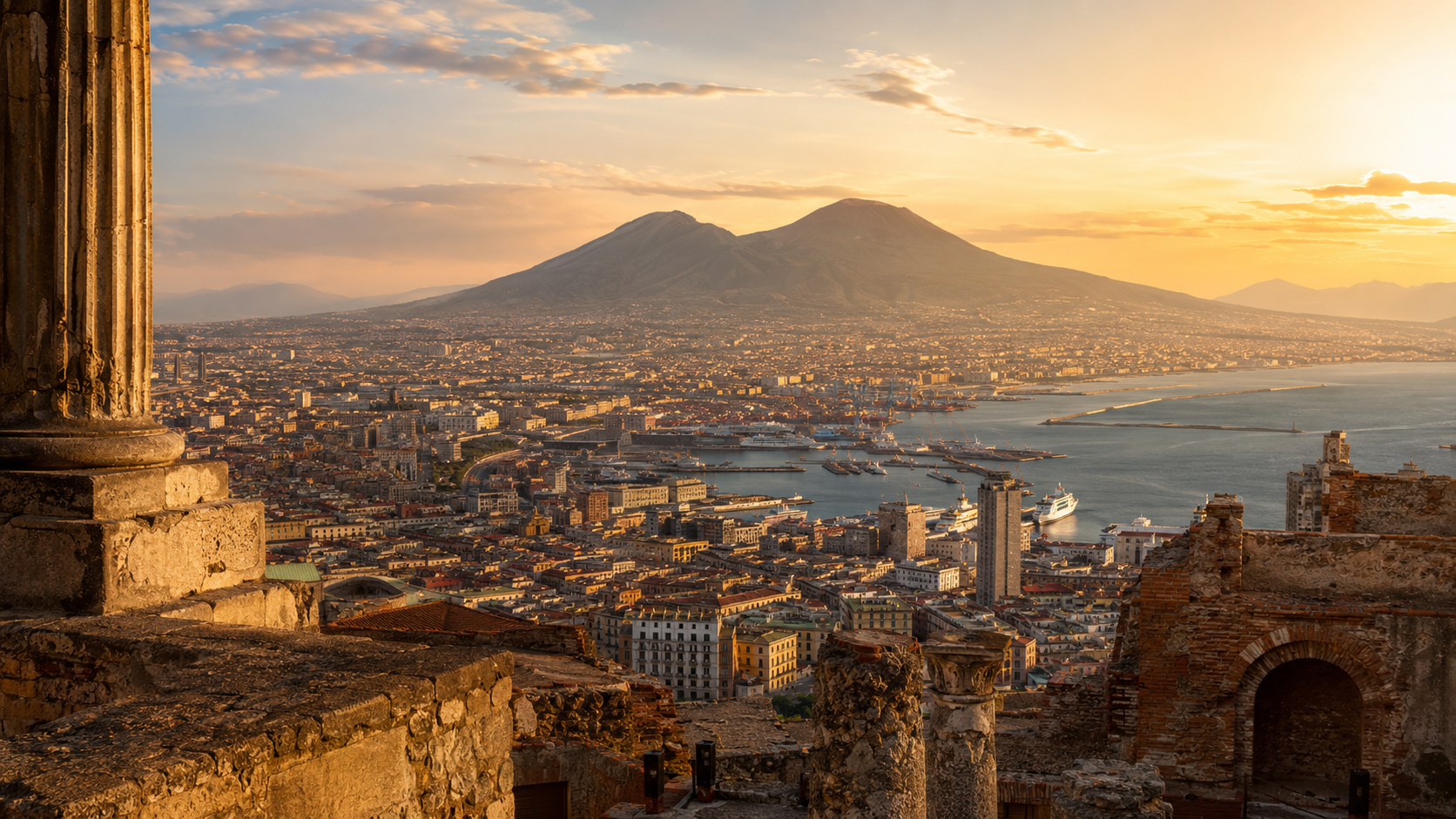
Free walking tour
The city before the monuments
Start with streets, squares, and churches. The tour helps explain why Naples feels chaotic and yet so coherent.
A journey through buried cities, millennial tunnels, castles, Mediterranean islands, and the cuisine that turned Naples into a universal language.
“Naples was not made to be admired from a distance. It must be crossed.”
The city is intense, contradictory, and deeply human. The same territory brings together Baroque art, Roman engineering, an active volcano, popular neighborhoods, and recipes that conquered the world.
The secret is not to make it orderly. The secret is to understand its layers.
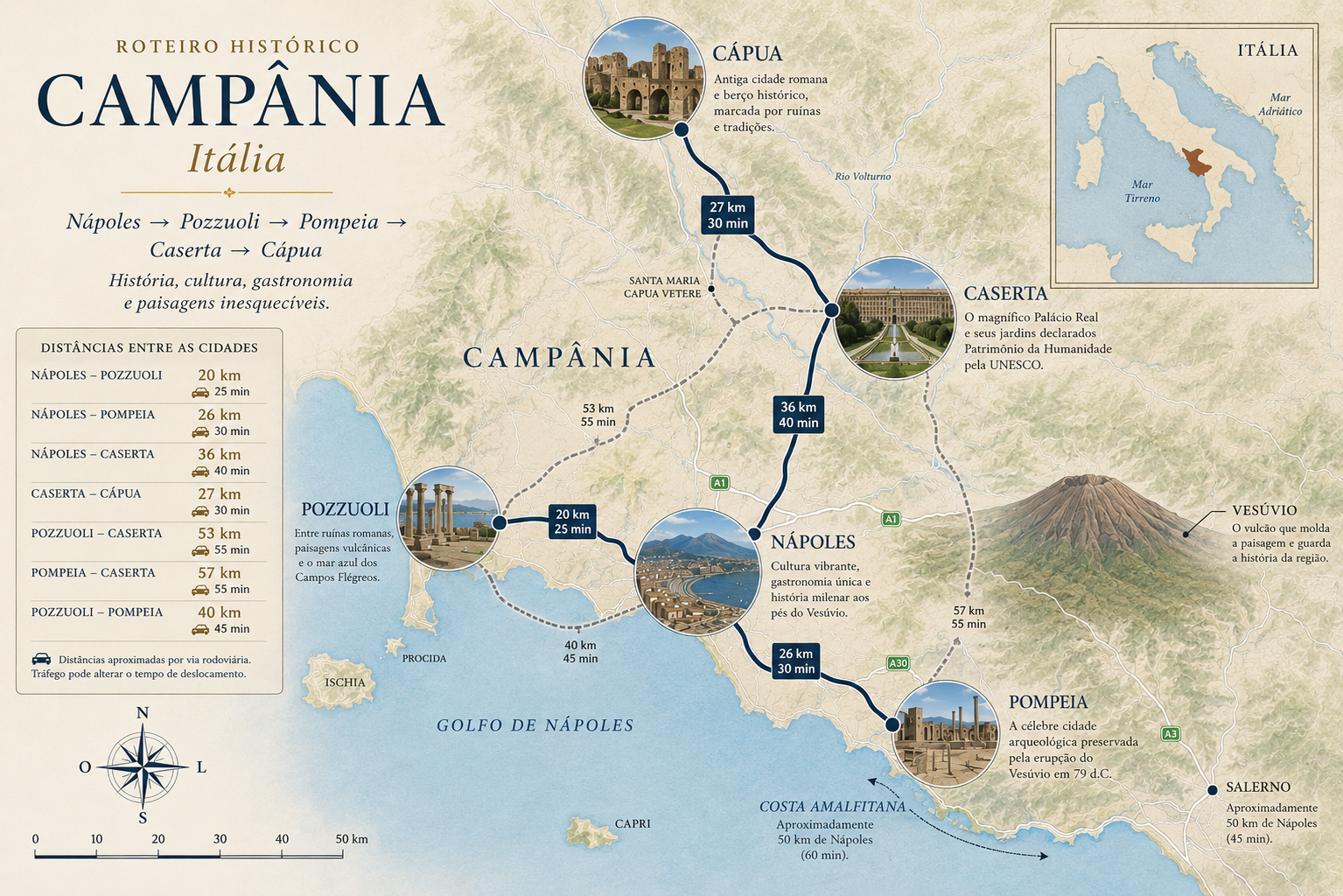
Naples works as the base. Pompeii and Herculaneum lie toward Vesuvius; Pozzuoli is to the west; Caserta and Capua to the north; Capri sits in the Gulf as a full-day outing. In two days, prioritize Naples and one archaeological site. With three or four days, the trip gains depth.
A free walking tour provides context; the Cappella Sansevero and the underground city reveal how the strongest experience begins when you go beneath the surface.
Start with streets, squares, and churches. The tour helps explain why Naples feels chaotic and yet so coherent.
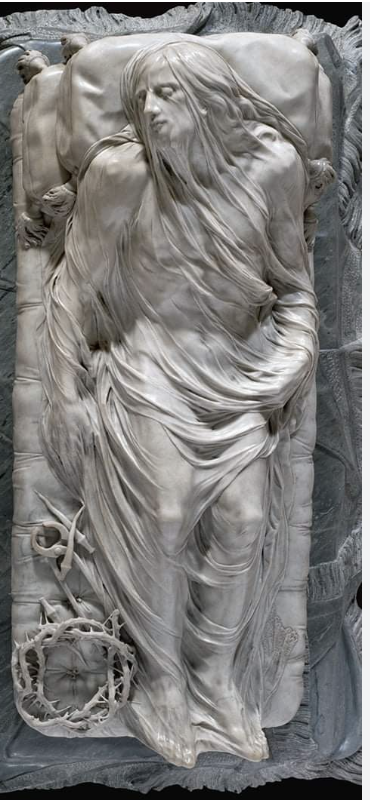
In the Veiled Christ, the delicacy of the carved veil challenges perception. The visit is short and often requires a reservation.
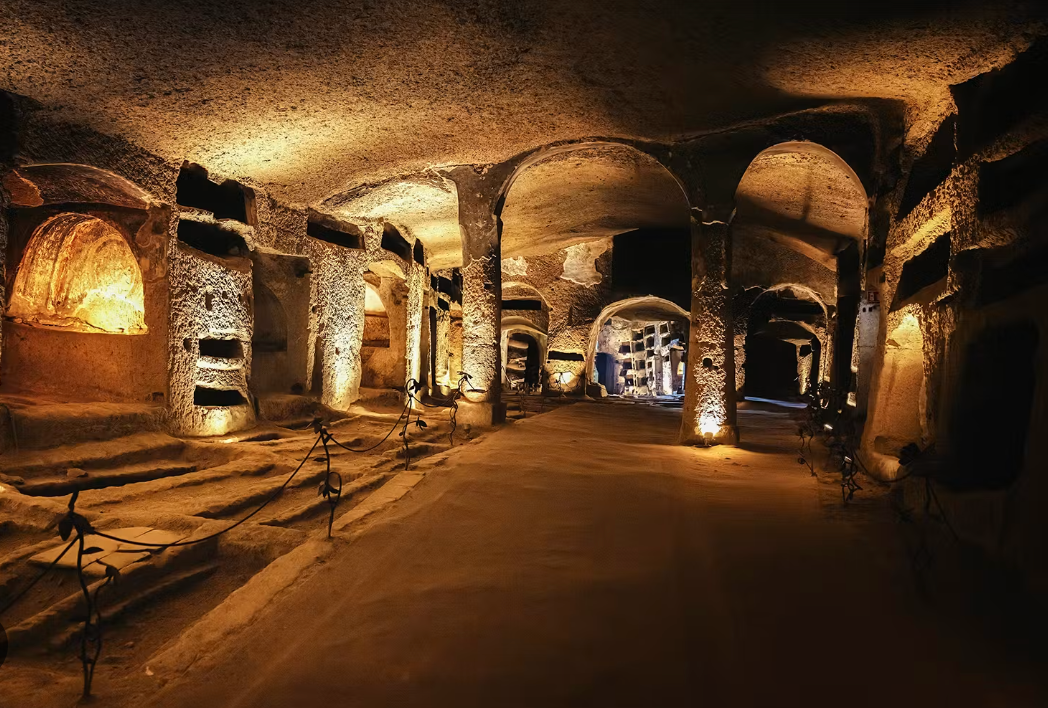
Greek tunnels, Roman aqueducts, and wartime shelters reveal how each era reused the same volcanic stone.
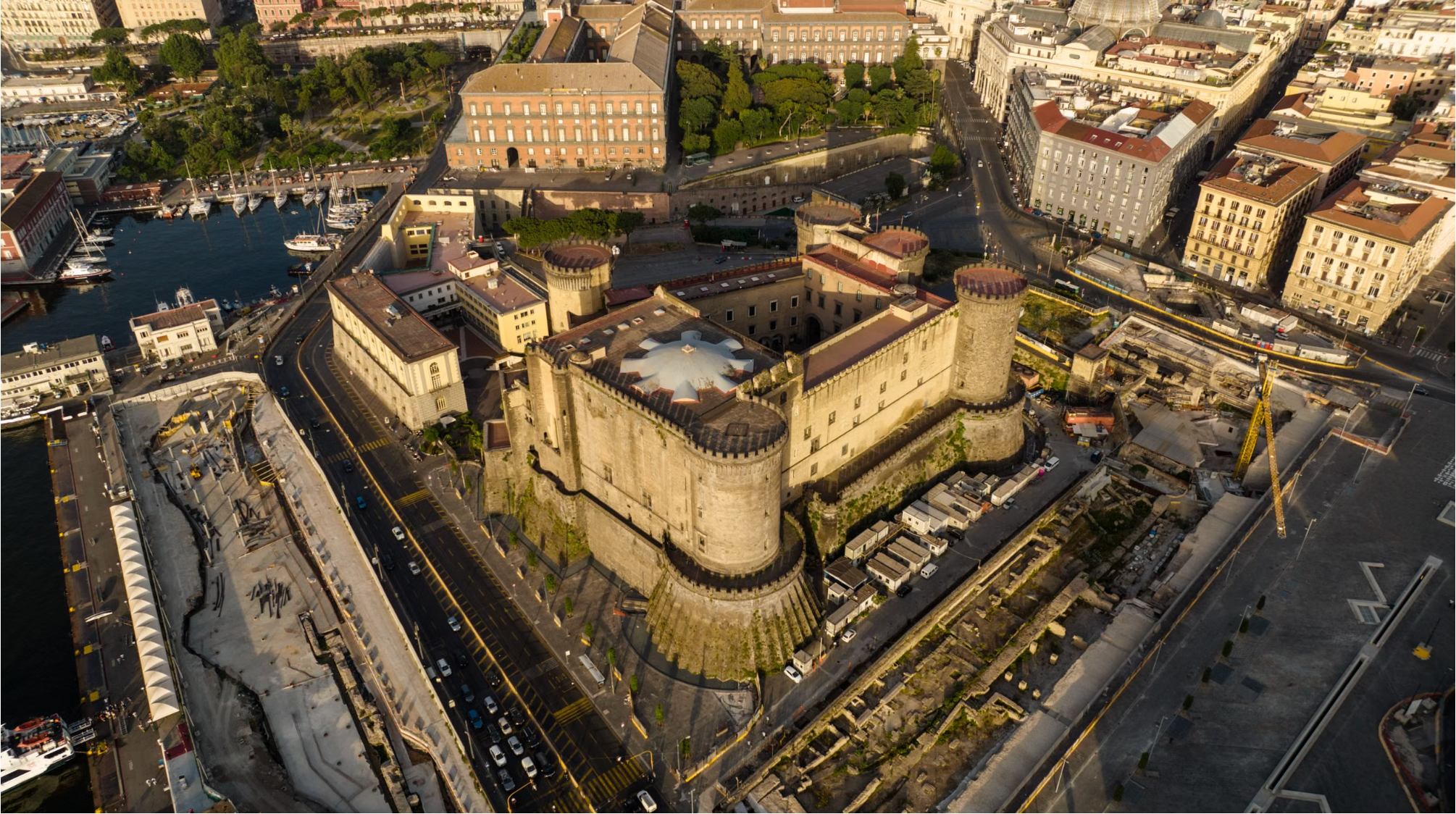
The aerial view shows why Maschio Angioino is one of Naples’ defining images: walls, towers, and the harbor meeting in the heart of the city.
The most strategic castle for this itinerary. It stands in Municipio, right in front of Molo Beverello. Even if you do not enter, it is worth seeing for its towers and marble triumphal arch.
It works well on the same day as the historic center, Toledo, Piazza del Plebiscito, and the Lungomare. Late afternoon gives you the best visual link with the port and Capri.
Allow 30 minutes to 1 hour for the exterior and the square; longer if you want to visit more calmly and combine it with Santa Lucia.
Campania is not just about ruins. It lets you walk inside the mechanisms that built the Mediterranean world.
Pompeii is not an isolated field of stones. It is a full city: streets, baths, houses, frescoes, commerce, and entertainment spaces preserved by the eruption of AD 79.
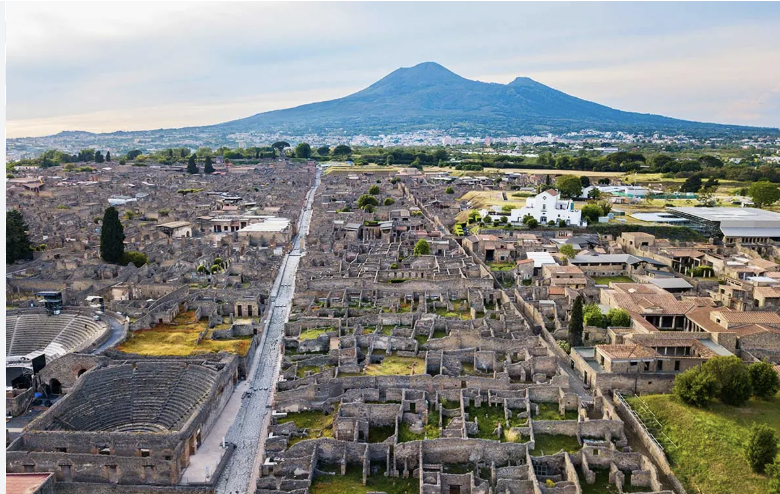
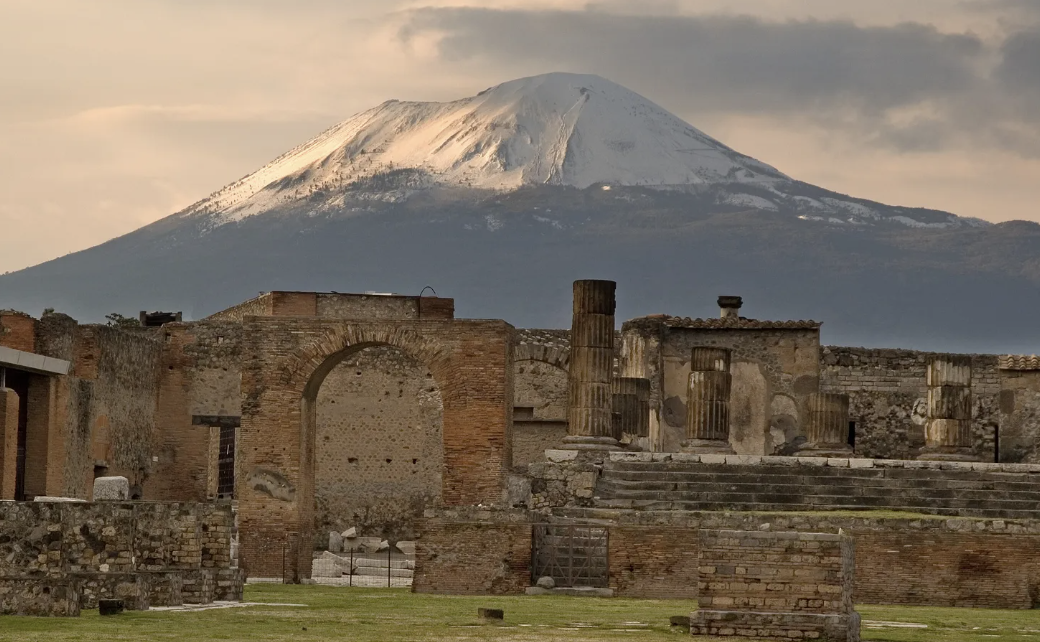
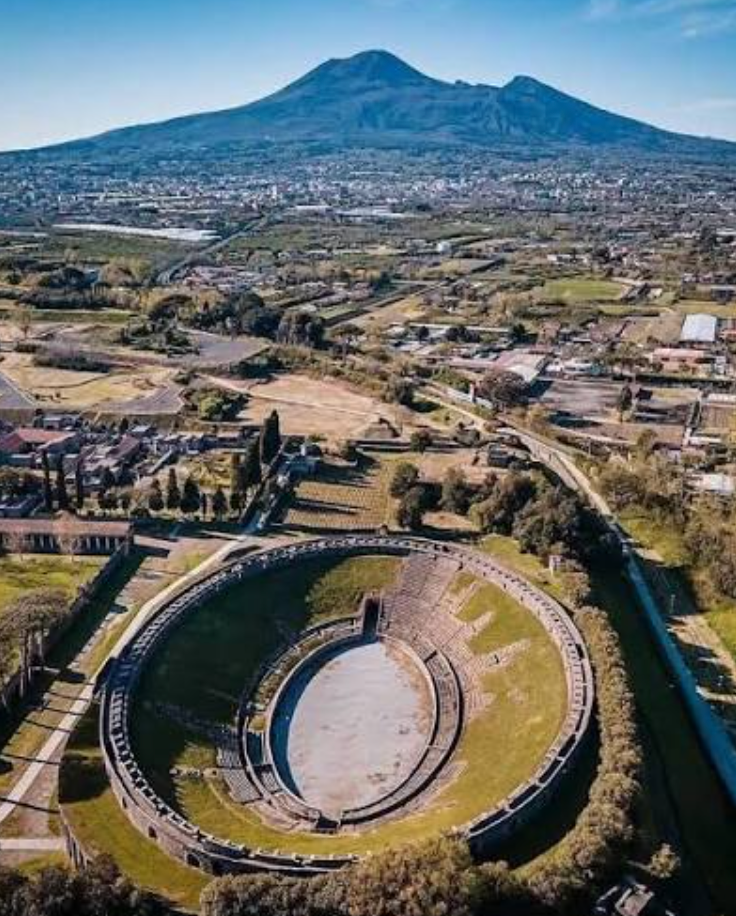
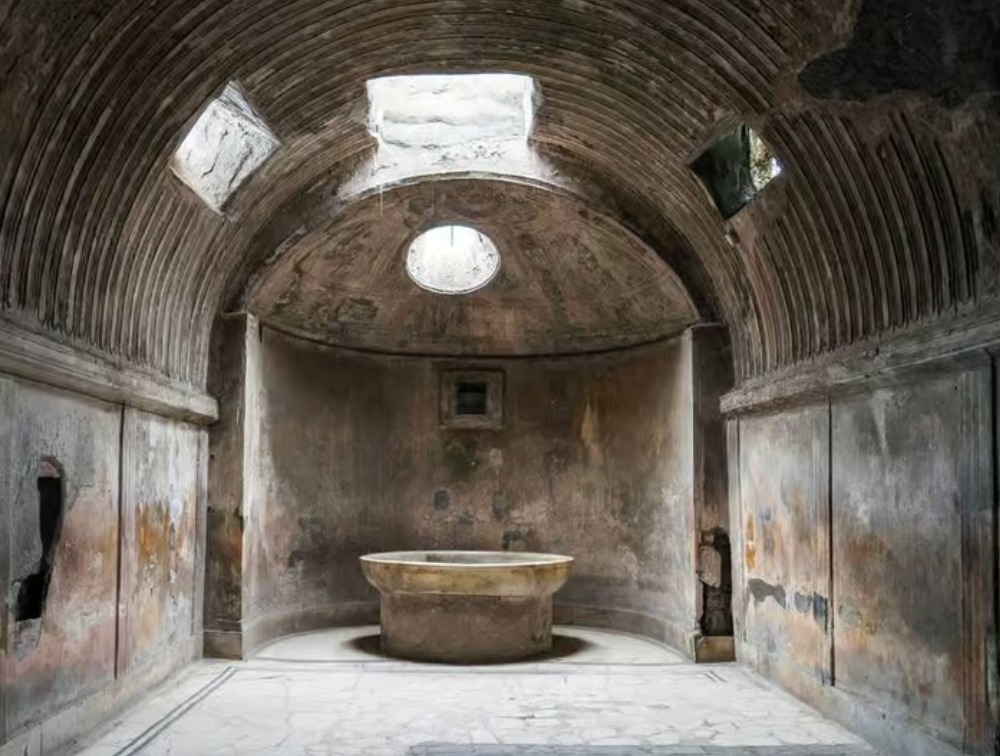
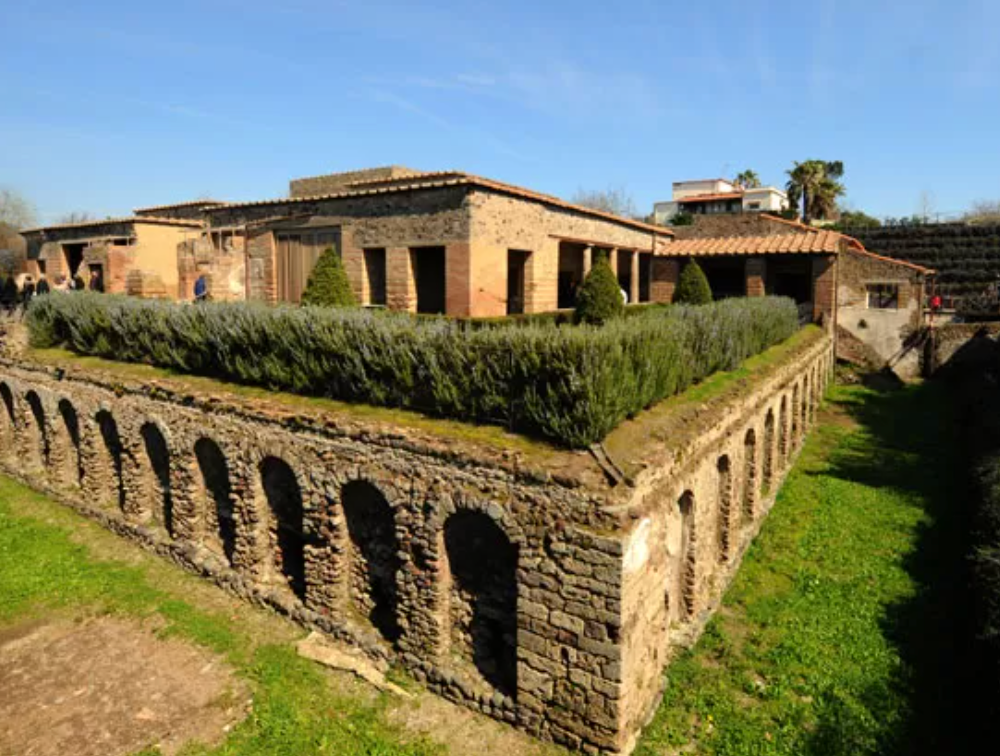
The eruption that interrupted urban life.
A comfortable visit without trying to see everything.
Less heat and better conditions for the open areas.
Smaller and more concentrated than Pompeii, Herculaneum offers an intimate reading of Roman life. Houses, mosaics, frescoes, and even organic elements make it a complementary experience rather than a repetitive one.
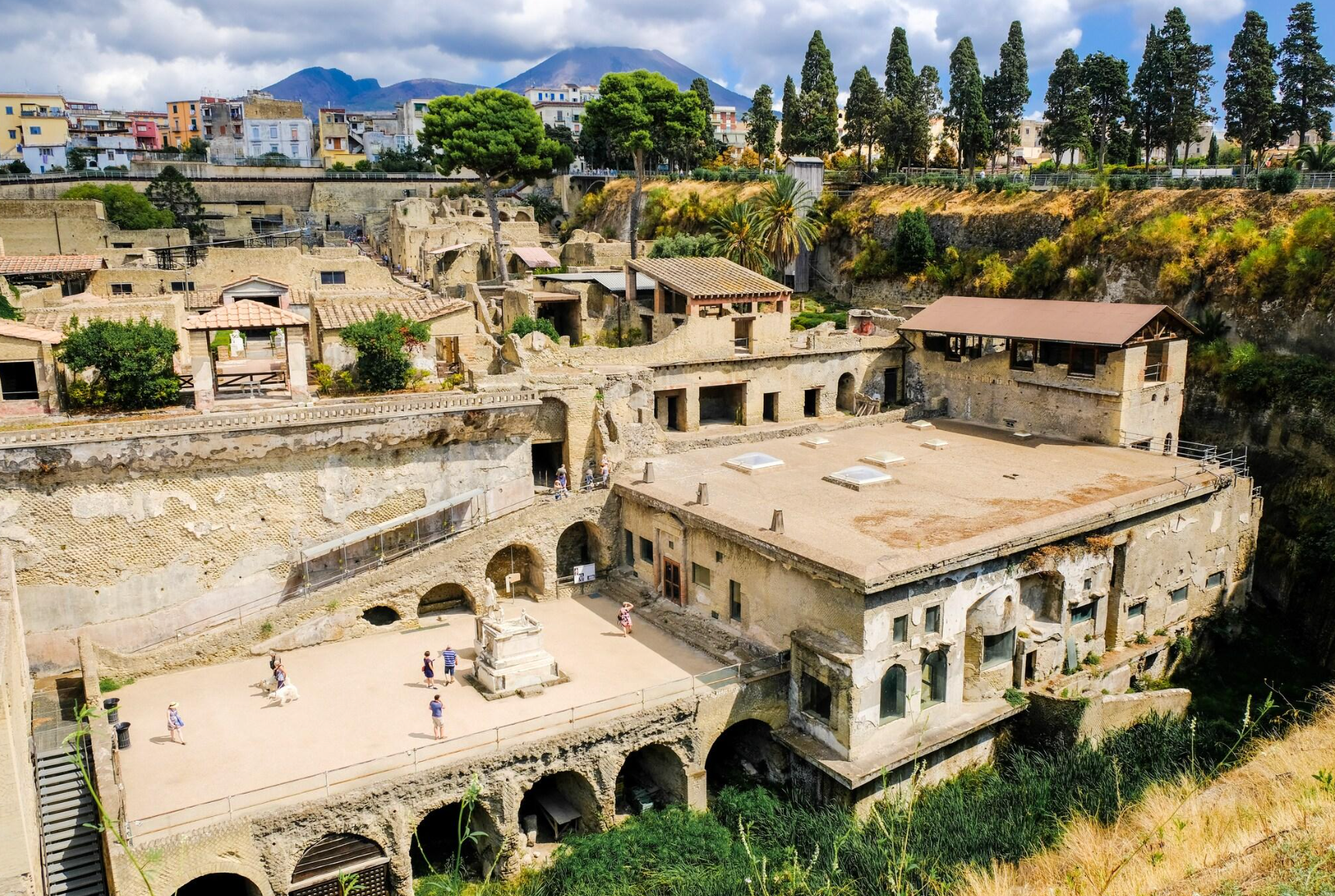
Herculaneum was struck by the same AD 79 eruption, but the way volcanic materials covered the city preserved interiors and details exceptionally well. It is a more compact visit and usually takes two to four hours.
Take the EAV/Circumvesuviana line from Napoli Garibaldi toward Sorrento and get off at Ercolano Scavi. The walk to the entrance is short.
Roman houses, frescoes, mosaics, ancient residential areas, and a more human-scale archaeological experience. It is ideal for travelers who want detail, not only scale.
Bring water and sun protection. Because it is smaller, Herculaneum pairs well with a half day back in Naples or with the Lungomare area.
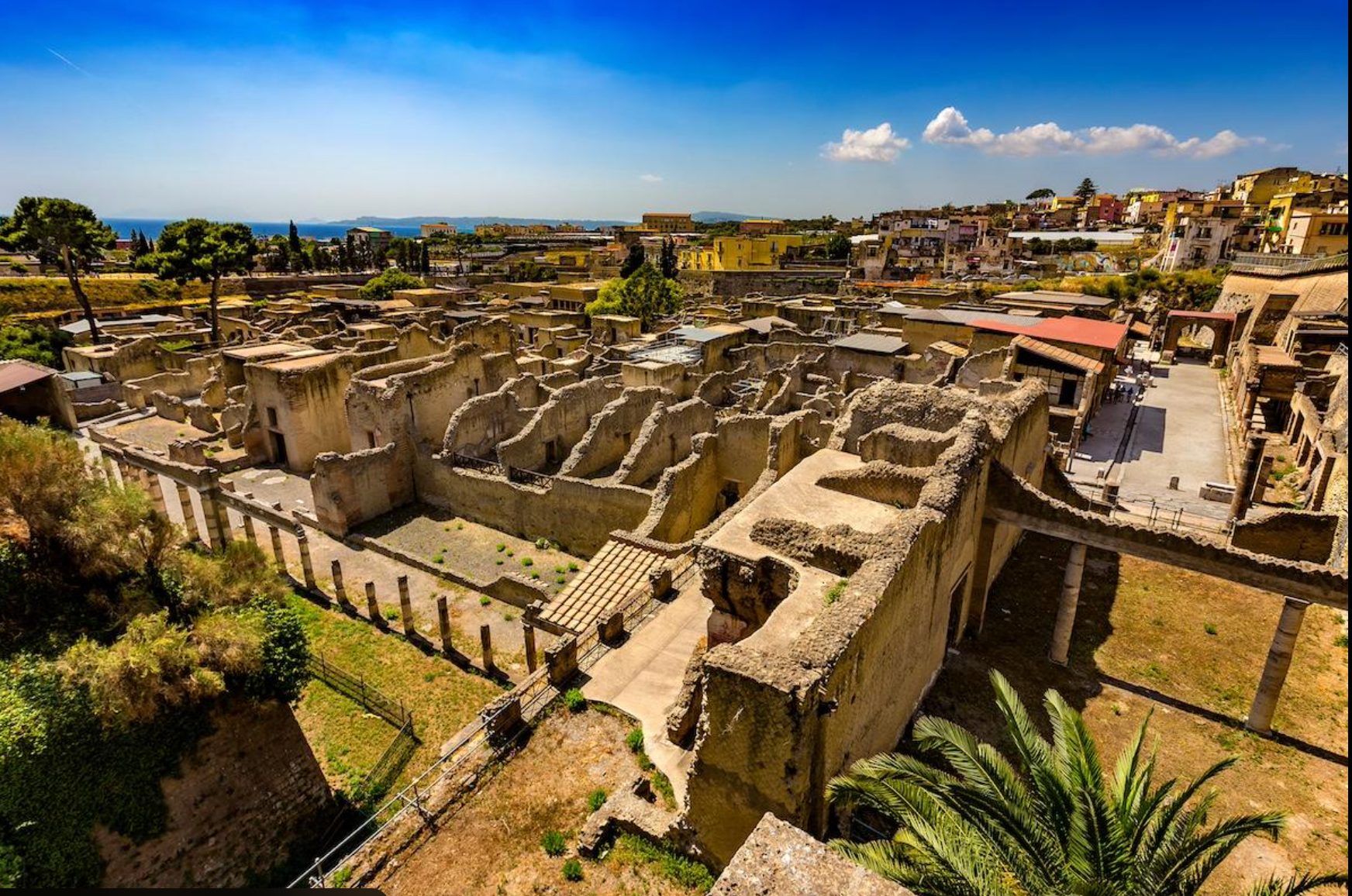
Roman houses, frescoes, mosaics, ancient residential areas, and a more human-scale archaeological experience. It is ideal for travelers who want detail, not only scale.
Bring water and sun protection. Because it is smaller, Herculaneum pairs well with a half day back in Naples or with the Lungomare area.
Capri should not be rushed between other attractions. Leaving Naples early, it works best as a full-day excursion focused on scenery, navigation, and the island’s two towns.
The most balanced plan combines a boat circuit or viewpoint for the Faraglioni, time in Anacapri, and time in Capri town. The Blue Grotto depends on sea conditions and should never be treated as guaranteed.
Fast hydrofoils leave mainly from Molo Beverello in Naples. The crossing usually takes about 50 to 60 minutes, depending on the vessel and daily operation.
As a reference, one-way tickets are often around €24–€30, and round trip about €48–€60 per person. Prices vary by season, departure time, and operator.
Boat tour to see the Faraglioni, Capri town with the Piazzetta and Gardens of Augustus, and a trip up to Anacapri for Monte Solaro or Villa San Michele.
Tip: in summer, buy your ferry early and do not leave your return for the last boat. Sea and wind can affect operations.
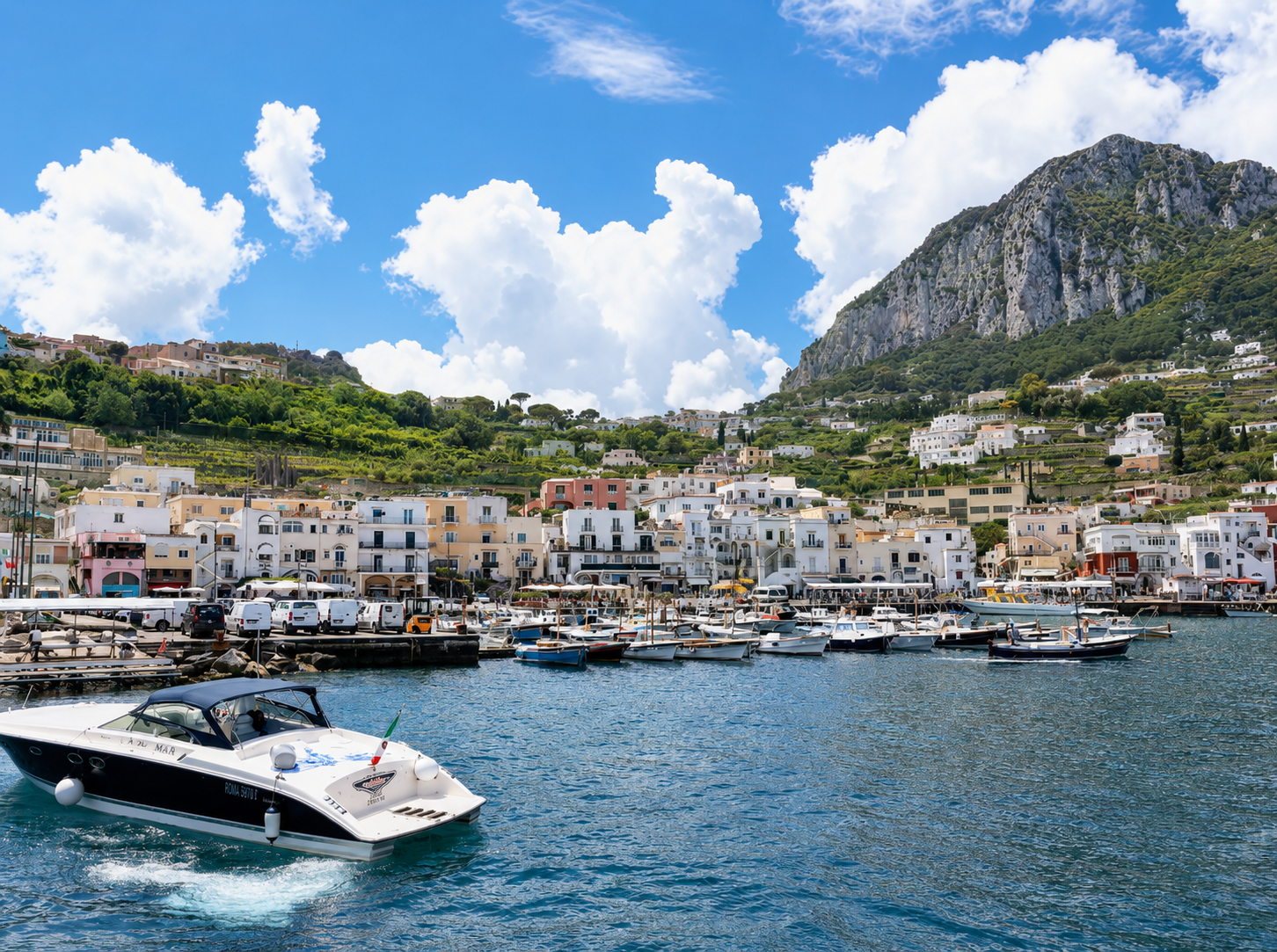
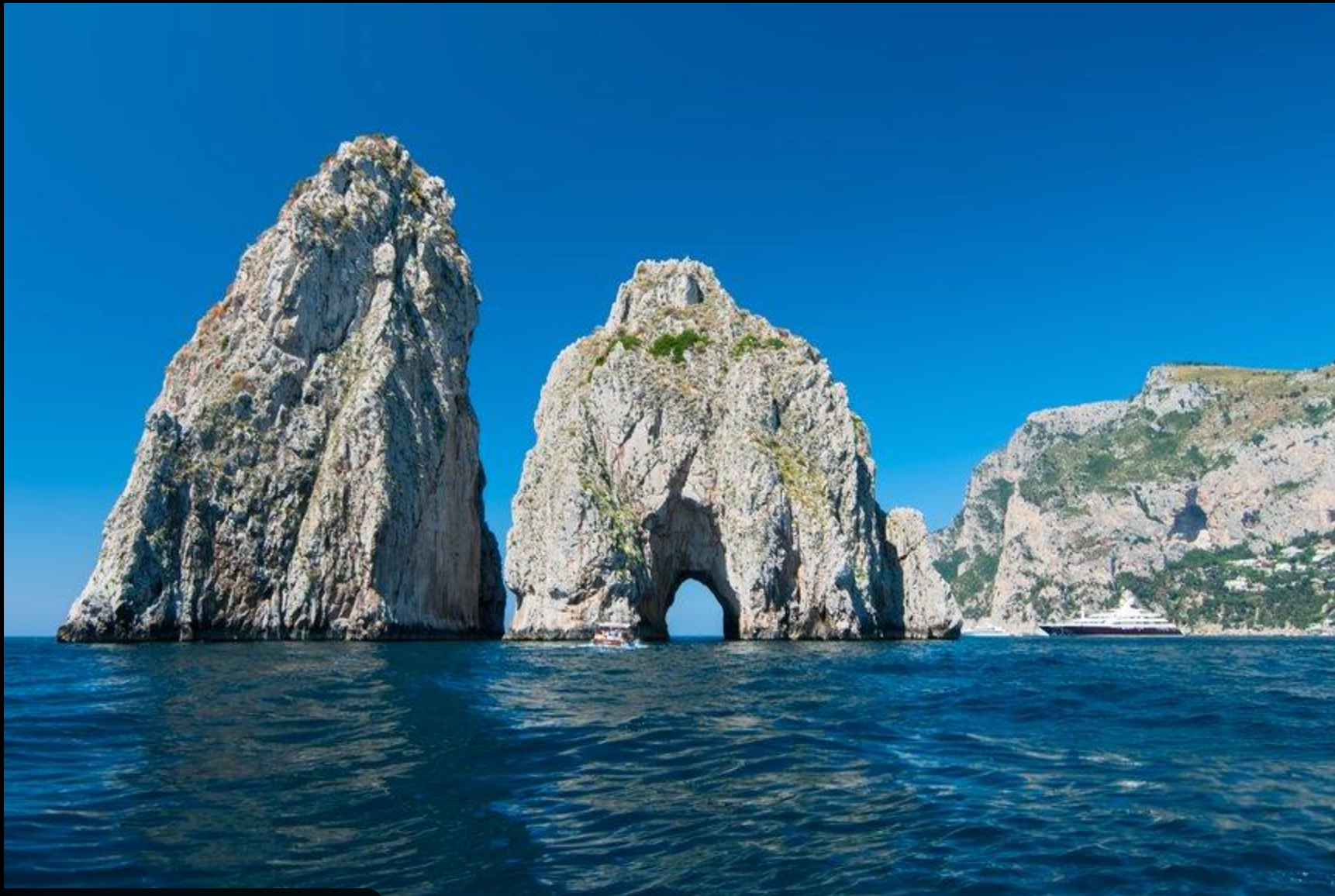
Boat tour to see the Faraglioni, Capri town with the Piazzetta and Gardens of Augustus, and a trip up to Anacapri for Monte Solaro or Villa San Michele.
Not every experience fits into the same time frame. Use this curation to shape the trip around your interests.
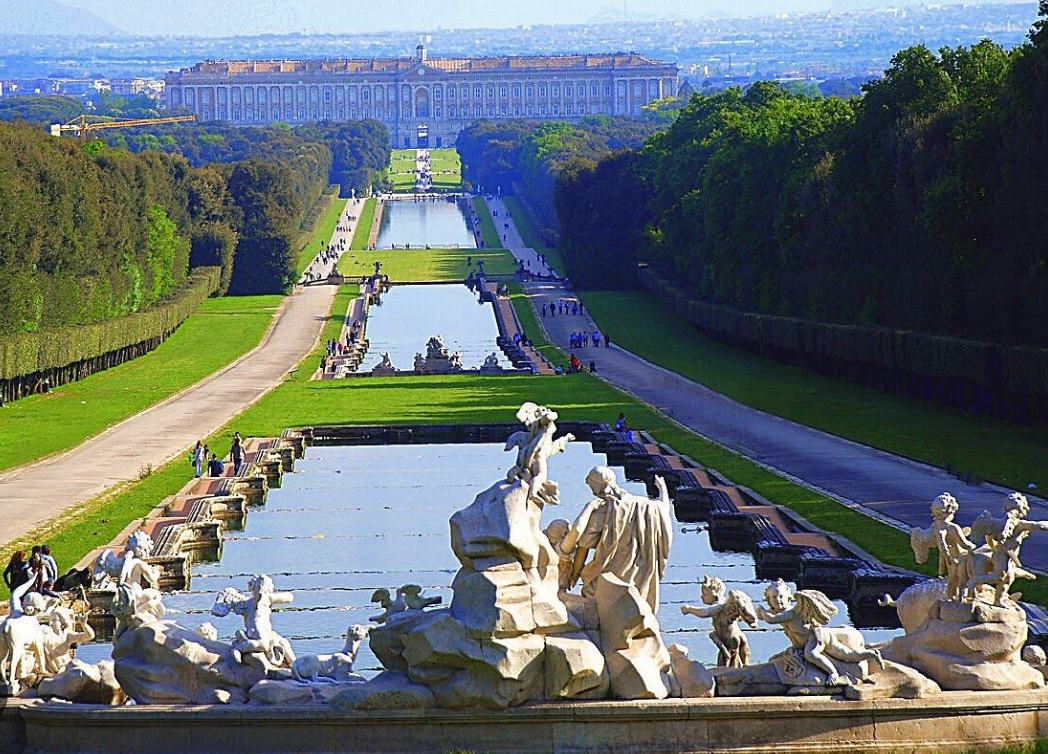
Built to rival Versailles, it astonishes with its monumental scale, Baroque interiors, and kilometers of gardens, fountains, and carefully framed perspectives. Allow a full day if architecture, landscape design, and Bourbon history are central to your trip.
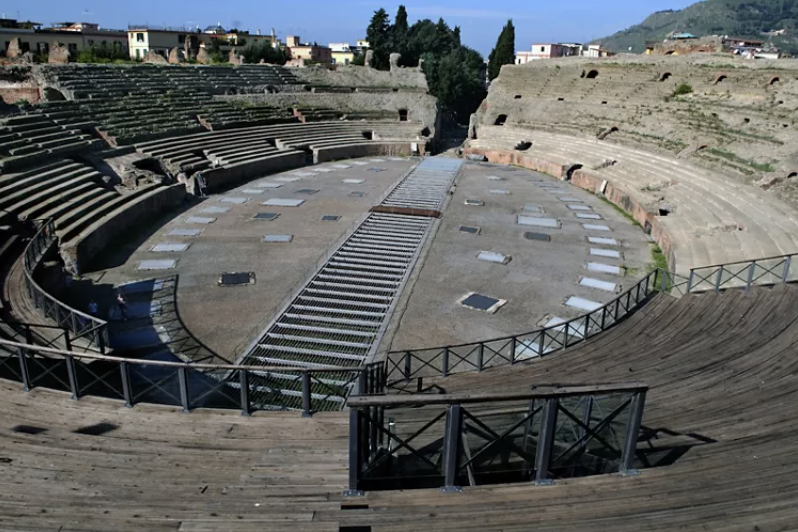
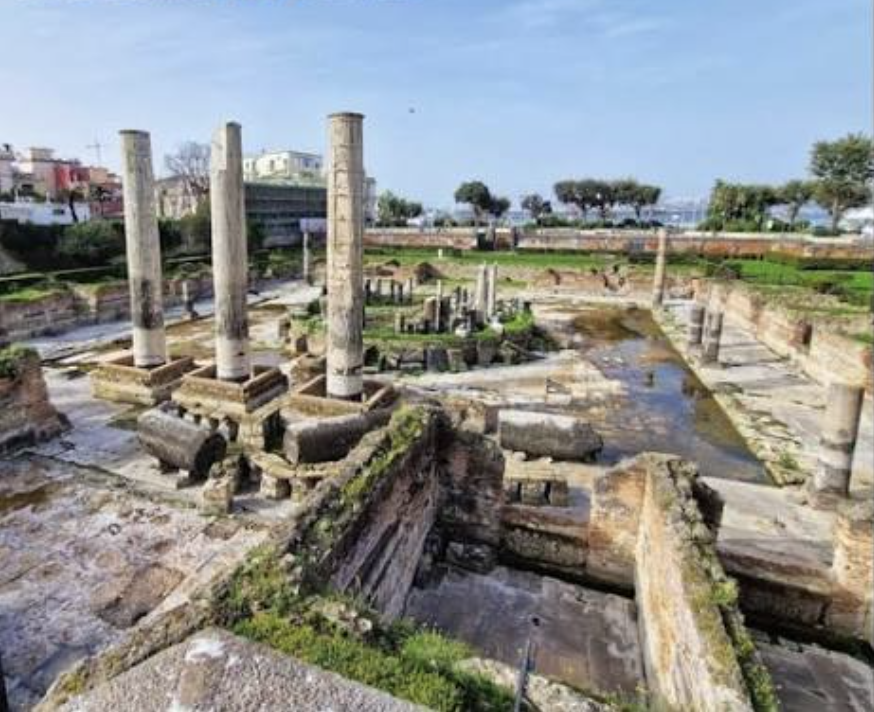
The Flavian Amphitheater and the Macellum reveal a less obvious Campania, shaped by Roman engineering and volcanic ground movement. Pair the ruins with the waterfront to see archaeology, sea, and geology sharing the same landscape.
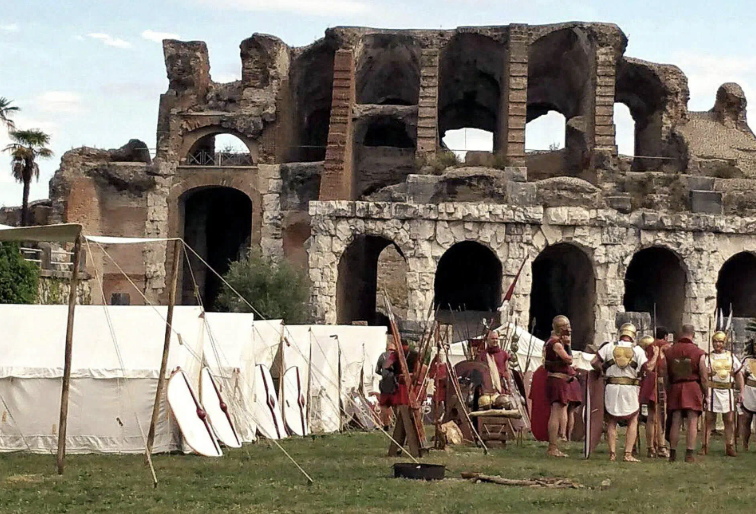
The Campanian Amphitheater, one of the largest in the Roman Empire, preserves the memory of the gladiator school associated with Spartacus. It is a powerful visit for understanding the political, military, and theatrical scale of ancient Campania.
Pizza, pasta, fried street food, coffee, and sweets tell the story better than any generic list of “Italian food.”
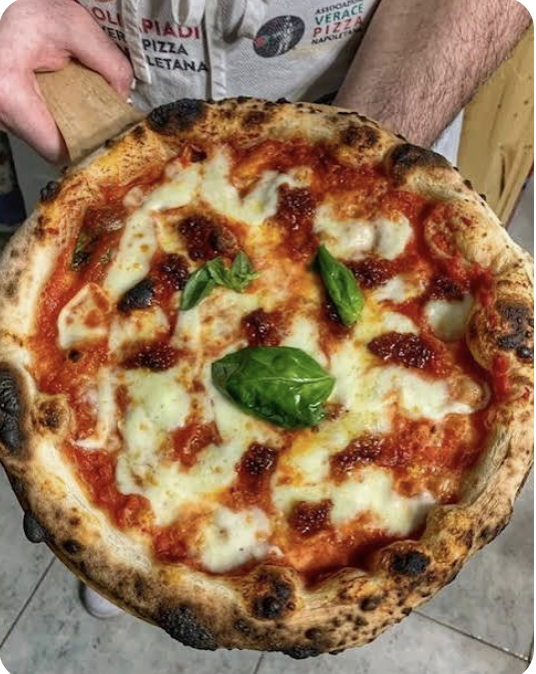
The visual and gustatory synthesis of Naples.

Creamy pasta, breaded and fried.

Comforting texture and domestic identity.
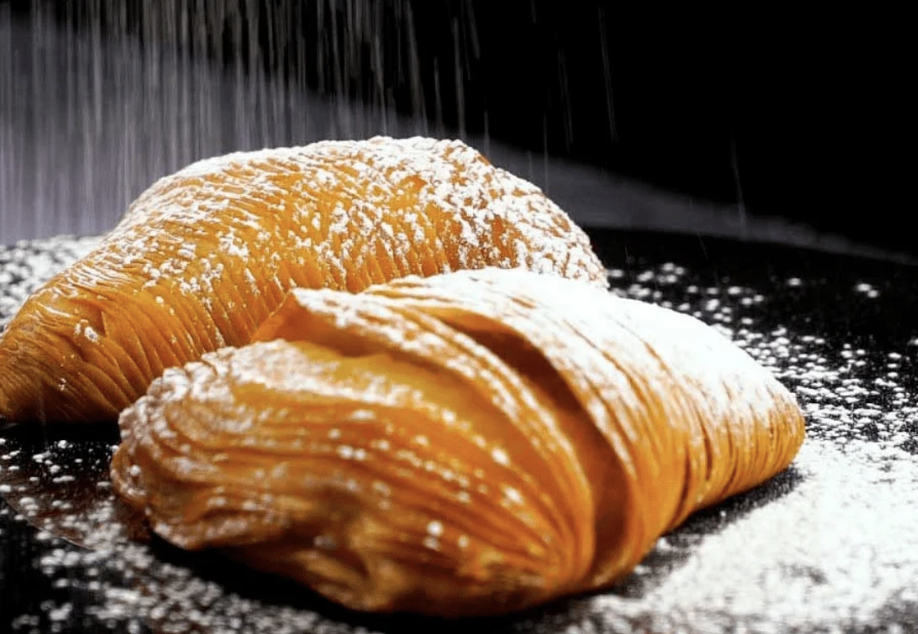
Crisp layers, ricotta, and citrus perfume.
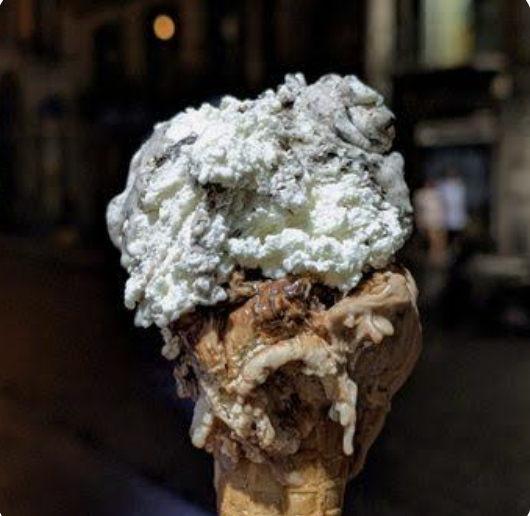
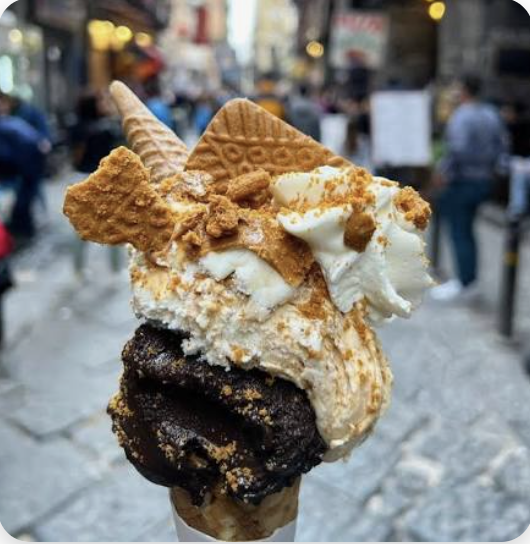
In Naples, the stars are dense, creamy gelati designed to highlight local ingredients.

Naples and Pompeii form the minimum core. Herculaneum and Capri expand the trip without turning every day into a sprint.
Free walking tour · Cappella Sansevero · Castel Nuovo · Napoli Sotterranea · evening in the center
Leave early · 4–6 hours on site · return to Naples in late afternoon
2–4 hours on site · back to Naples · Lungomare or Santa Lucia
Earliest possible ferry · Faraglioni · Anacapri · Capri town · planned return
Napoli Centrale connects with the Garibaldi complex. Keep in mind that the urban metro, regional trains, and the EAV/Circumvesuviana network are different systems.
Line 1 for Duomo, Università, Municipio, and Toledo. Castel Nuovo sits next to Municipio station.
Take the Napoli–Sorrento line and get off at Pompei Scavi–Villa dei Misteri.
Circumvesuviana to Ercolano Scavi and a short walk to the entrance.
Fast hydrofoils depart mainly from Molo Beverello.
Regional trains leave Napoli Centrale and the palace is directly opposite the station.
The route depends on your exact destination; check the most convenient station for the day.
It survives beneath the streets, in the stones of Pompeii and Herculaneum, in the towers of Maschio Angioino, and in the seascape that leads to Capri.