Choose your entry point
Two strong cities to begin reading the country
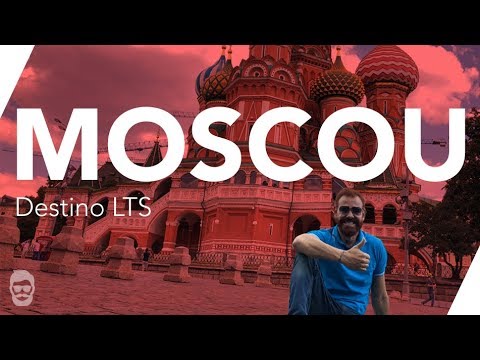
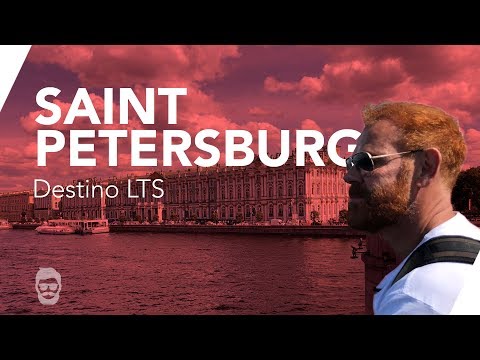
For the site, it makes sense to start through these two doors: the political and symbolic capital, and the more imperial, artistic and European-facing city.
Russia never operates on a small imaginative scale. It is the largest country in the world, spans 11 time zones, mixes imperial heritage, Soviet weight, intense metropolises, Arctic landscapes, monumental art, iconic rail imagery and a sense of contrast that makes the trip feel larger than a conventional itinerary. This page organizes Russia as an entry hub before diving deeper into Moscow and St. Petersburg.
Russia is the largest country in the world and spans 11 time zones. It combines major capitals like Moscow and St. Petersburg with a vast interior, Arctic regions, huge boreal forests and places of almost geological scale such as Lake Baikal. That breadth helps explain why Russia cannot be reduced to a single reading.
Palaces, monumental metro stations, the Kremlin, the Hermitage, ballet, domes, literature, trains and a strong sense of history all feed the Russian fascination.
More than “visiting a city,” Russia asks for a reading of history, scale, climate, language, money, connectivity and cultural contrast. Once that enters, the trip gains much more depth.
For Brazilian travelers, the trip remains possible without a tourist visa for short stays under the bilateral agreement of up to 90 days within 180 days. At the same time, the current geopolitical context has changed the practical operation of the trip quite significantly: international cards issued outside Russia do not work in the country, and connectivity may require more planning.
That alone shows Russia is closer to a continent than to a conventional country.
From the idea of the Trans-Siberian to very long-haul routes, Russia carries one of the strongest train fantasies in global travel imagination.
Far north, ice, aurora, Arctic seas and a more remote dimension of the planet all enter the country’s repertoire.
One of the great symbols of Russian natural scale and one of the country’s emblematic experiences.
The idea of “coldness” is often treated as a stereotype by those who know personal interaction more closely.
Moscow and St. Petersburg are only the beginning; the interior, the far north and industrial cities tell other stories.
Squares, palaces, metro stations, cathedrals and museums help build a sense of permanent scale.
Tsarist empire, Soviet era and contemporary Russia often coexist visually inside the same trip.
For the site, it makes sense to start through these two doors: the political and symbolic capital, and the more imperial, artistic and European-facing city.
Russia may become one of the site’s most fascinating travel layers precisely because it does not fit simplification. It asks for more context, but it gives back a rare combination of history, scale, art, contrast and travel imagination.