History and culture
Athens and archaeological sites are especially strong for travelers who want a more historical and cultural trip.
Greece is one of those destinations that can go in several directions at once: city and history in Athens, famous islands such as Santorini and Mykonos, intensely blue beaches, ferry combinations, and also trips where a cruise makes sense. The idea here is to help you understand how to build this itinerary without falling into the obvious or losing the logic of the trip.
The country combines historic cities, archipelagos, beaches, gastronomy, romantic trips, cultural itineraries, and sailing-oriented experiences. That allows for everything from a more classic first trip to an itinerary focused on islands and the sea.
Athens and archaeological sites are especially strong for travelers who want a more historical and cultural trip.
The Greek islands are the destination’s strongest visual dream: transparent sea, beaches, and white-and-blue villages.
Santorini, dramatic views, and charming hotels work extremely well for more romantic trips.
Ferries and cruises open up other interpretations of the destination and can simplify logistics a lot.
Before deciding between Athens, islands, beaches, ferries, or cruises, it helps to feel the destination’s atmosphere. This kind of video lets you understand the pace, landscape, and travel mood before moving into the practical part.
Use this video as a starting point to see Greece beyond island names. It helps you understand the contrast between historical city, sea, whitewashed villages, light, landscape, and the kind of trip the country can offer.
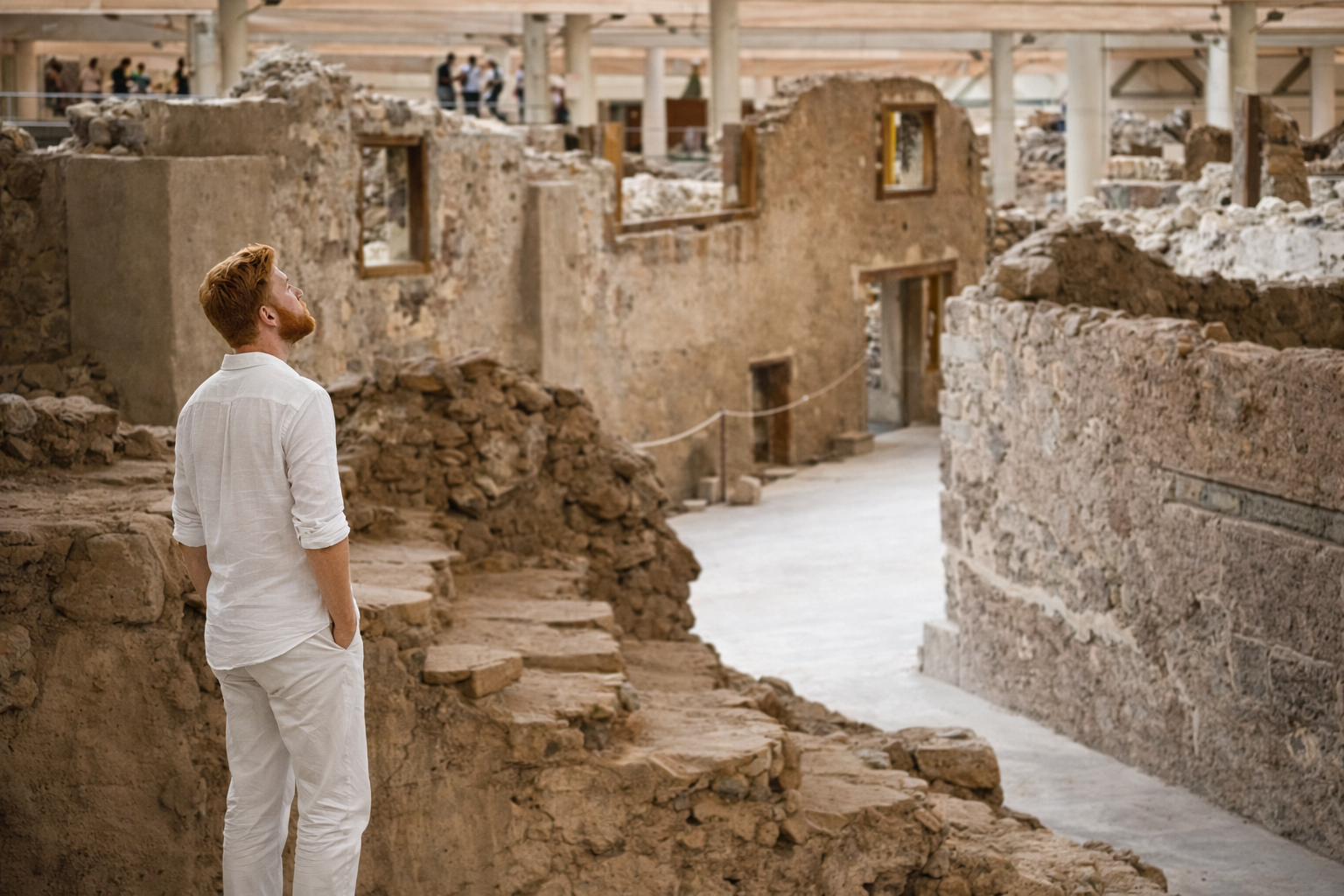
For many travelers, Greece begins in Athens. The capital gives historical context to the trip, works as an initial base, and also facilitates connections to islands and other regions.
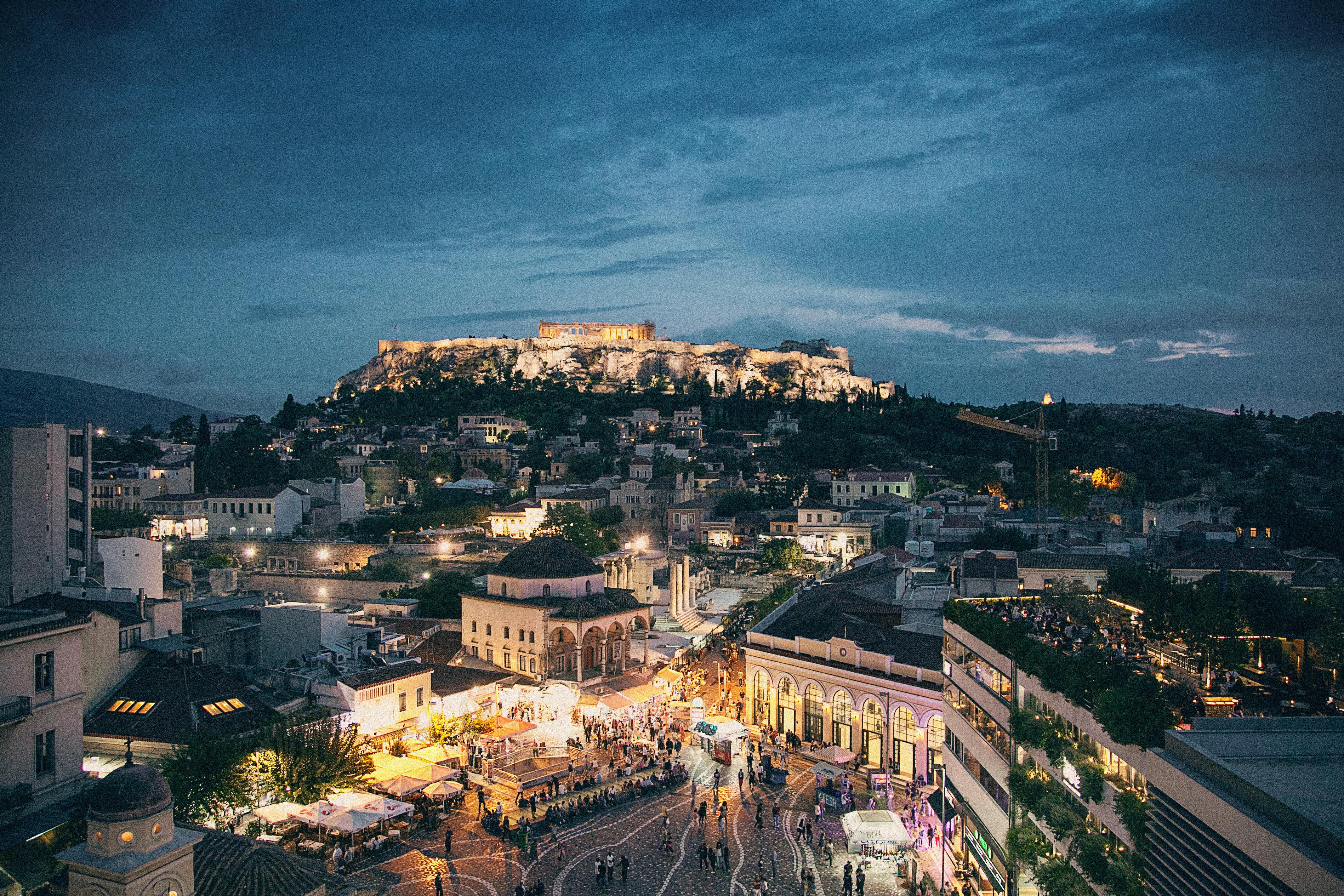
One of the most important decisions is understanding what kind of Greece you want to experience: more iconic, more romantic, more beach-oriented, calmer, or more focused on sailing.
Strong for romance, striking views, sunsets, and charming hotels. It is an iconic island, but it usually requires a bigger budget.
More connected to beach clubs, social life, the sea, and a summer atmosphere. It works best for travelers who want that kind of trip.
Greece goes far beyond its most famous islands. Depending on your profile, other islands can deliver a more balanced and less saturated trip.
Before booking everything, it is worth deciding which version of Greece makes the most sense for your profile.

If the idea is beaches, islands, and summer life, the strongest season runs from June to September. July and August concentrate more tourists, while May, June, and September are usually more balanced months. To avoid the peak and the highest prices, late May, the second half of September, and early October tend to work very well.
July and August deliver peak summer, but also more crowds, higher prices, and a more intense pace.
May, June, and September are usually excellent for travelers who want strong trip energy with less peak-season pressure.
The second half of May, the second half of September, and early October tend to help with both cost and overall calm.
Because Greece involves sea routes and archipelagos, logistics matter a lot. And they do not need to look the same for every traveler.
They work very well for travelers who want to experience the movement between islands and keep the trip more connected to the sea.
They can make more sense when time is short and the goal is to reduce transit hours.
They make sense for travelers who want to see multiple stops with fewer hotel changes, as long as that style of trip fits their profile.
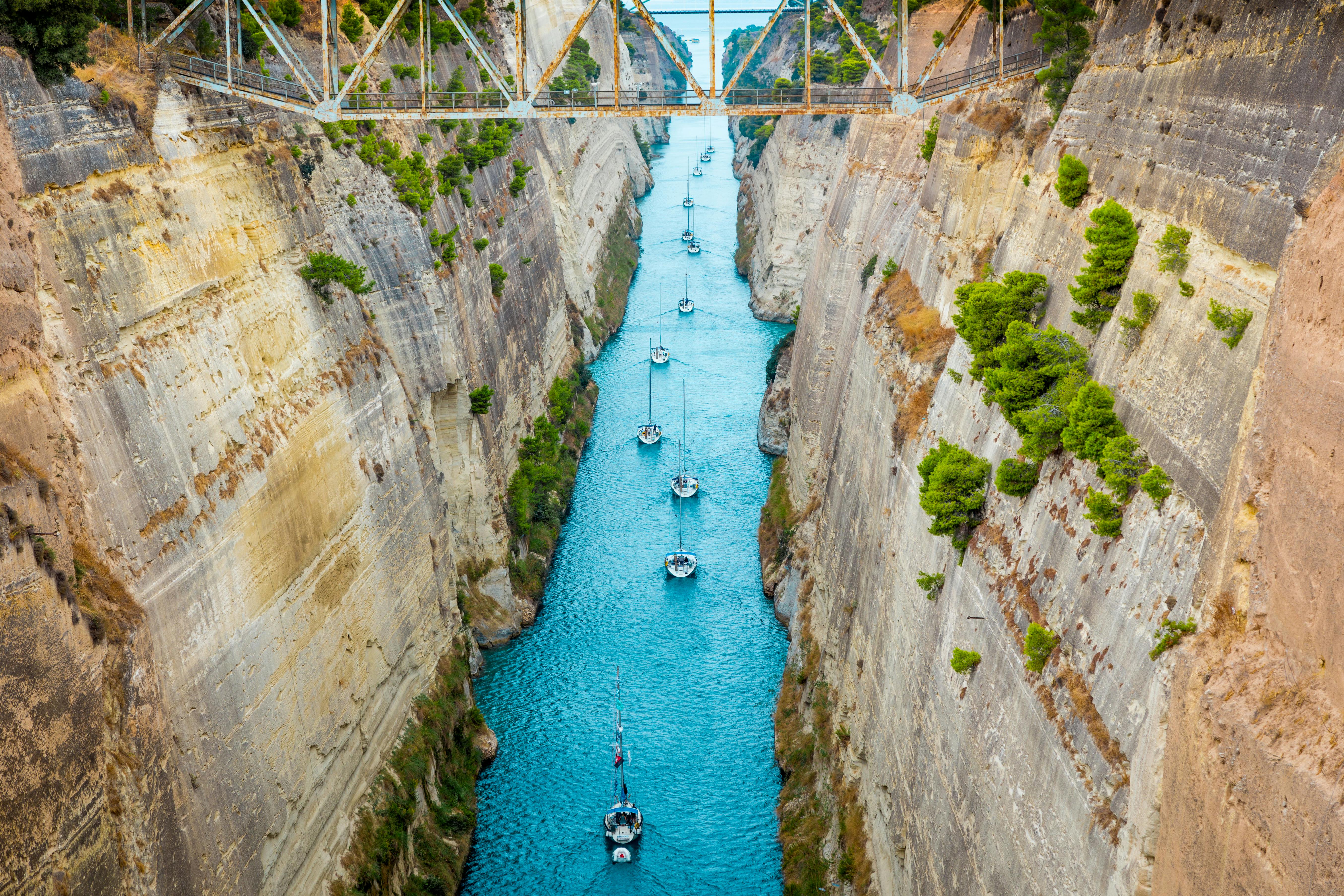
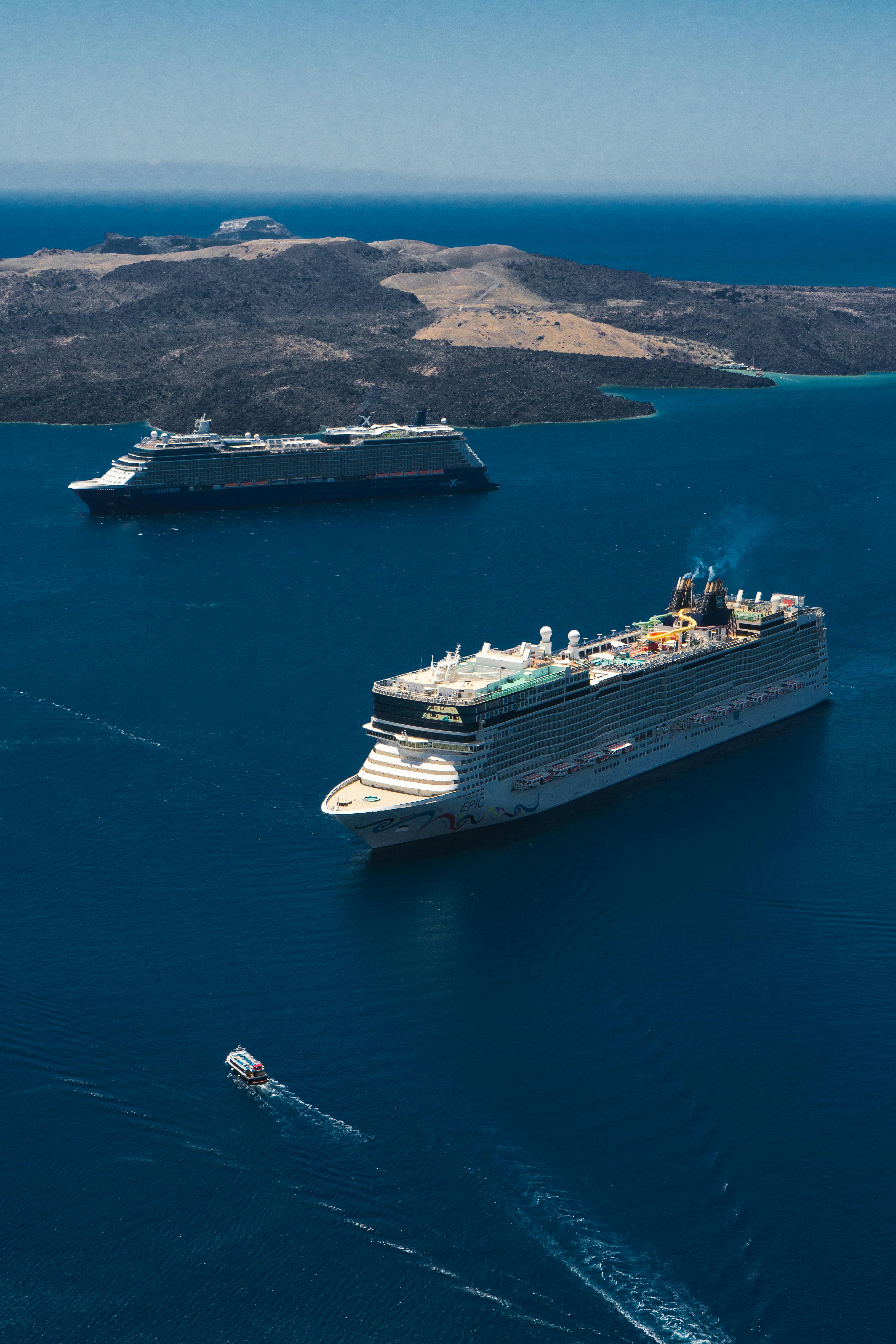
The country has iconic beaches, dramatic coves, intensely blue sea, and a strong summer culture. But it all works better when you understand which island, which beach, and which rhythm best match your trip.
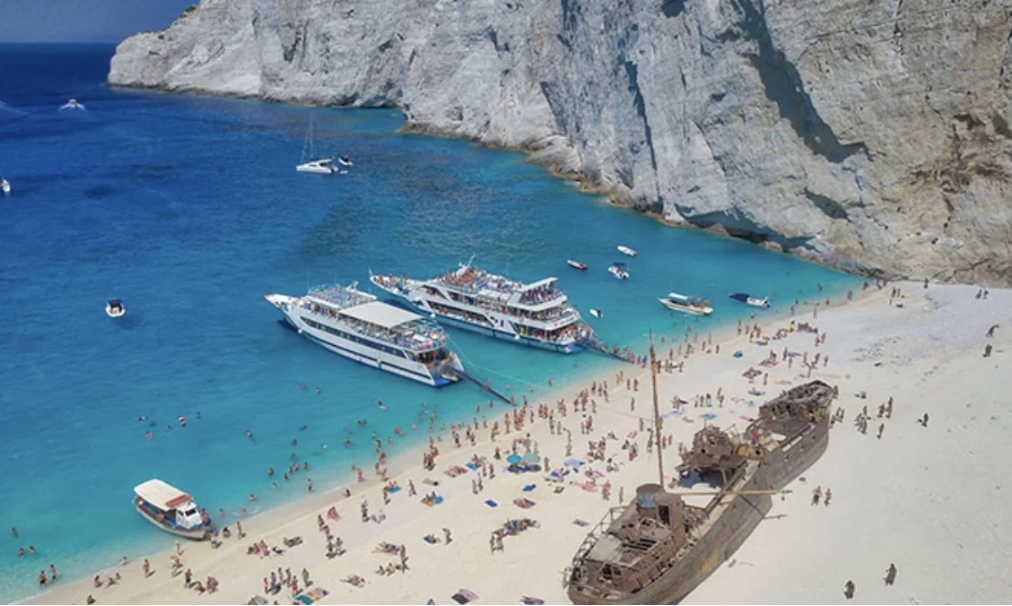
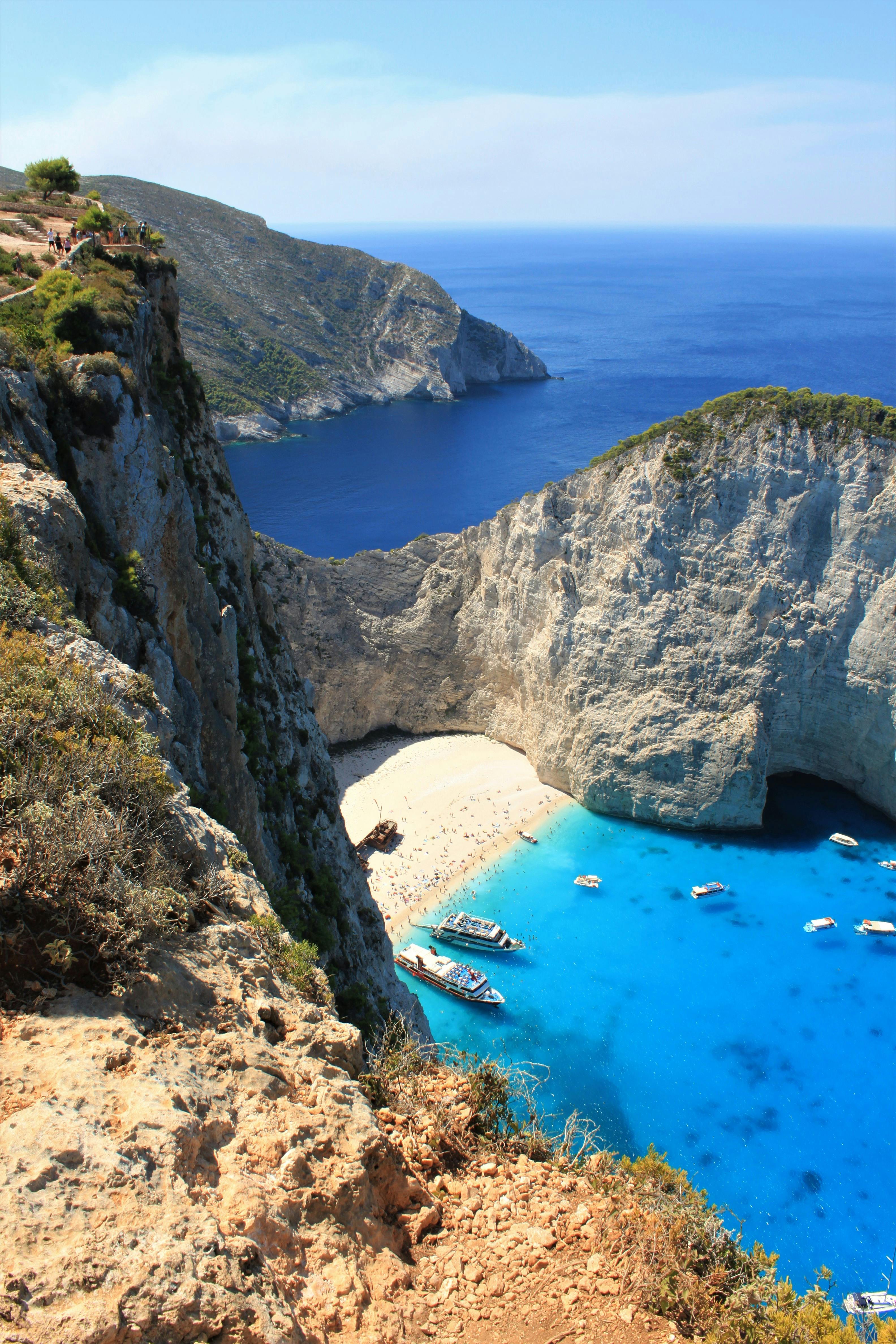

This is one of the most common questions for travelers beginning to shape a Greece itinerary. The right choice depends less on fame and more on the kind of trip you want to experience.
Santorini usually works better for travelers who want a more romantic angle, hotels with a view, sunsets, and a more contemplative trip. It is iconic, but it generally requires more budget.
Mykonos tends to work better for travelers who want beach clubs, beaches, summer, restaurants, social energy, and a more vibrant reading of Greece.
Another very common question is how to get from Athens to the islands. In general, ferries work better when you want to experience the sea and keep the trip connected. Domestic flights make more sense when time is short and you want to reduce transit hours.
These are the main departure points for ferries leaving the Athens region. The best port depends on the island you choose and on the sailing schedule.
When you have more time, want to enjoy the movement itself, and keep the experience more connected between Athens and the islands.
When the itinerary is shorter, the island is farther away, or you want to preserve useful travel days.
Cost depends a lot on the season, the island, and the trip style. In general, Santorini and Mykonos tend to push the budget higher, while a more balanced itinerary between Athens and other islands can deliver better value.
Athens + 1 less obvious island, simpler accommodation, fewer changes, and a focus on shoulder season.
Athens + Santorini or Mykonos, a well-located hotel, ferries or one domestic flight, and a few reserved experiences.
A combination with charming hotels, highly desired islands, private experiences, beach clubs, and a more romantic or lifestyle-oriented angle.
These structures help a lot if you are researching a 7-day, 10-day, or 14-day Greece itinerary and still do not know which angle makes the most sense.
The best reading for a quick first trip. You can experience the capital and still include one island with less rushing.
It is one of the most balanced angles for combining city, beach, sea, and more depth in the trip.
Excellent for travelers who want a broader reading of the country without turning the itinerary into a marathon.
Here are some very common questions from travelers who are starting to plan this trip.
For a first trip, 7 to 10 days already allow for a strong route between Athens and 1 or 2 islands. With 14 days, the itinerary becomes more comfortable.
Yes. Beyond its historical weight, Athens works as an entry point and helps give cultural context to the trip before the islands.
It depends on your travel style. Santorini tends to work better for romance and views; Mykonos for beach, lifestyle, and nightlife.
May, June, and September are usually very good months. July and August represent peak summer, but also the highest prices and biggest crowds.
It is worth it when your profile matches seeing several stops with fewer hotel changes. For travelers who want to experience each island more deeply, a land-based itinerary may deliver more.
The ferry works very well when you have more time and want to enjoy the sea. The flight makes more sense when the trip is shorter and you want to preserve useful days.
After deciding whether your Greece will be more Athens, more islands, more beach, or more sailing, it becomes easier to reserve flights, hotels, and experiences without wasting budget.
First lock the design of the trip. Then move on to flights, hotels, and activities with smarter logic.

For travelers looking for beaches, summer, parties, nightlife, gay-friendly islands, and freer energy, Greece has real appeal. Mykonos is the strongest name in that scene, but Athens also works well as a vibrant city and urban gateway before heading to the islands.

Beaches such as Elia and Super Paradise appear often when the conversation is about LGBTQI+ Greece, summer, beach clubs, and outdoor life.
Jackie O', Babylon, Kastro, and Piano Bar are among the names most associated with Mykonos nightlife during summer.
Athens Pride and Thessaloniki Pride reinforce the perception of a more open destination in major urban centers, while more rural and traditional areas may call for more discretion.

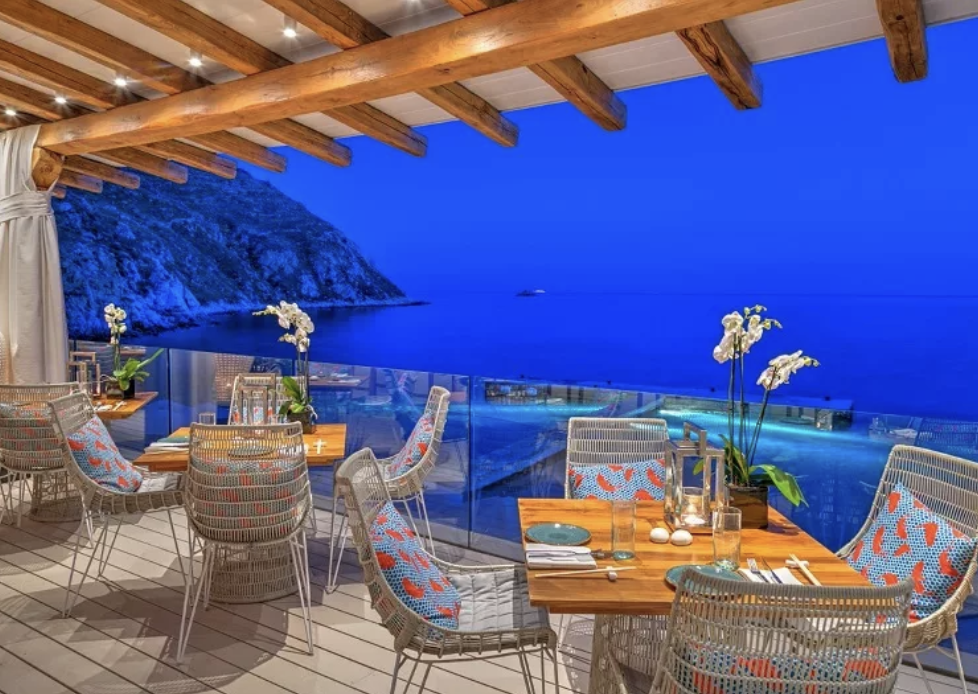

If you are unsure between Athens and the islands, which islands to choose, when a cruise makes sense, or how to fit ferries, domestic flights, and budget together, this is the most natural next step.
Especially if this is your first trip to Greece, if you want to avoid confusing logistics, or if you are trying to balance beaches, history, islands, and travel rhythm.
I can also help turn that inspiration into a more rounded trip, with fewer mistakes and more clarity in the combination of cities, islands, and transfers.