 Watch episode
East Coast
Toronto and Ottawa
A major city, an organized capital and a very good first angle for travelers who want to understand urban Canada on the eastern side of the country.
Canada is one of those countries that completely changes depending on the season, the region and the kind of trip you want. This page is here to help you read the country through smarter angles — from eastern cities to the Rockies, from skiing to cruises and expeditions, from scenic rail to road trips, including the Indigenous cultural layer that gives the country much more depth.
Use the channel’s videos as your starting point to understand atmosphere, pace and the kinds of combinations that work well across the country. Right now, the published content opens the Canadian east coast beautifully.
Watch episode
A major city, an organized capital and a very good first angle for travelers who want to understand urban Canada on the eastern side of the country.
 Watch episode
A more historic, charming and francophone Canada, with an atmosphere that feels very different from the standard North American imagination.
For many travelers, the east coast is the easiest and most elegant way to open Canada. It combines big cities, French influence, history, gastronomy and logistics that are relatively simple to understand.
Modern, multicultural, vertical and very practical as a starting base for travelers who want structure and variety from day one.
Organized, clean and underrated, great for travelers who enjoy urban trips with an institutional and historical reading.
One of Canada’s most interesting cities for gastronomy, culture, neighborhoods with personality and a more European urban atmosphere.
Charming, historic and visually strong, it is one of the best angles for travelers who want a more scenic and classic side of the country.
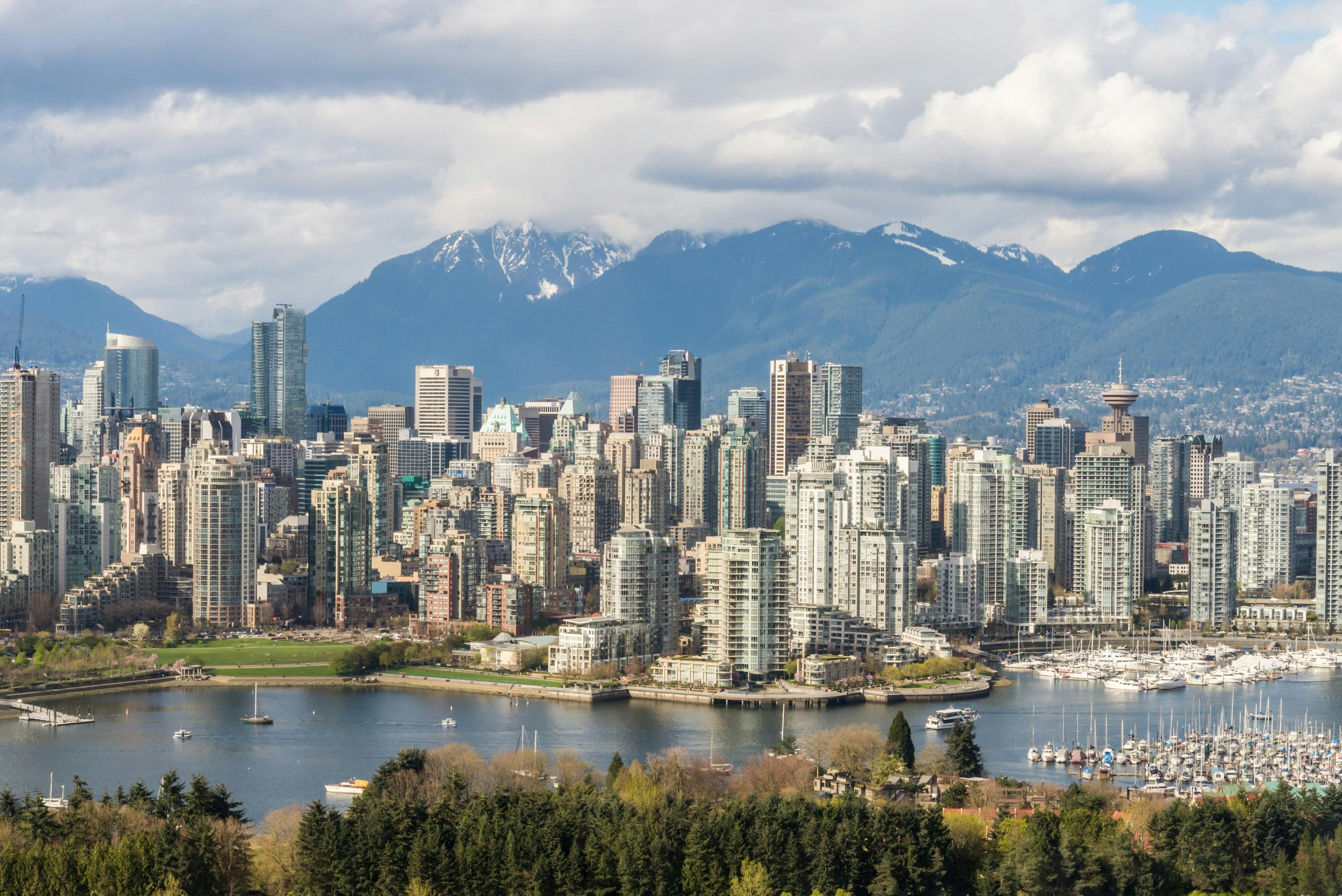
The west coast blends city, mountains, sea, lifestyle and a feeling of travel that is very different from eastern Canada. It works especially well with nature, cruises and winter travel.
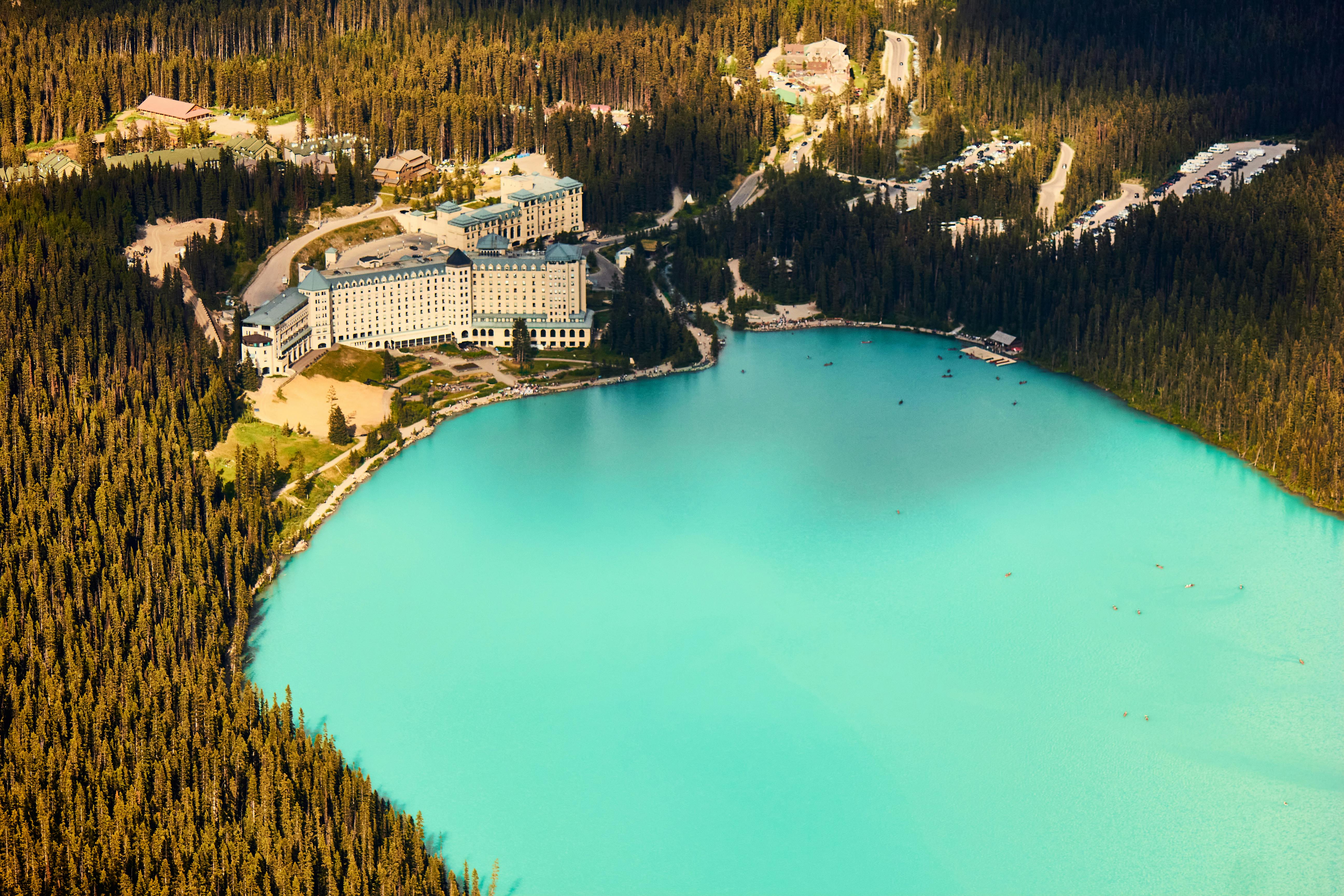
This is one of the country’s most visual layers and one of the angles that most changes the perception of travelers who still think Canada is only about cities and cold weather. Here the trip becomes landscape, road, lake, mountain and silence.
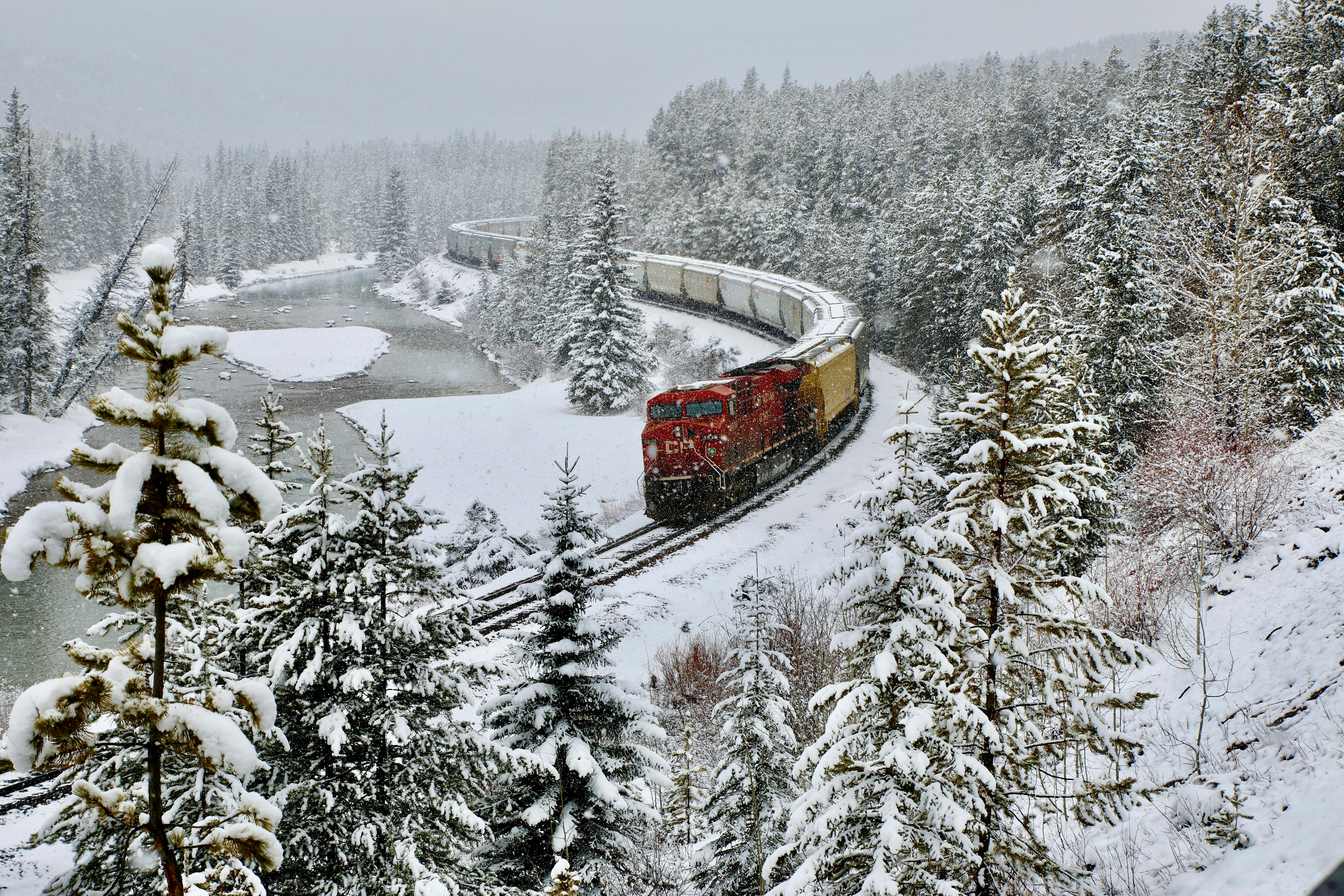
Canada is one of those countries where rail is not only about getting from one place to another. On some routes, the train becomes a central part of the trip, especially when the idea is to combine city life, scenery and a more contemplative reading of the territory.
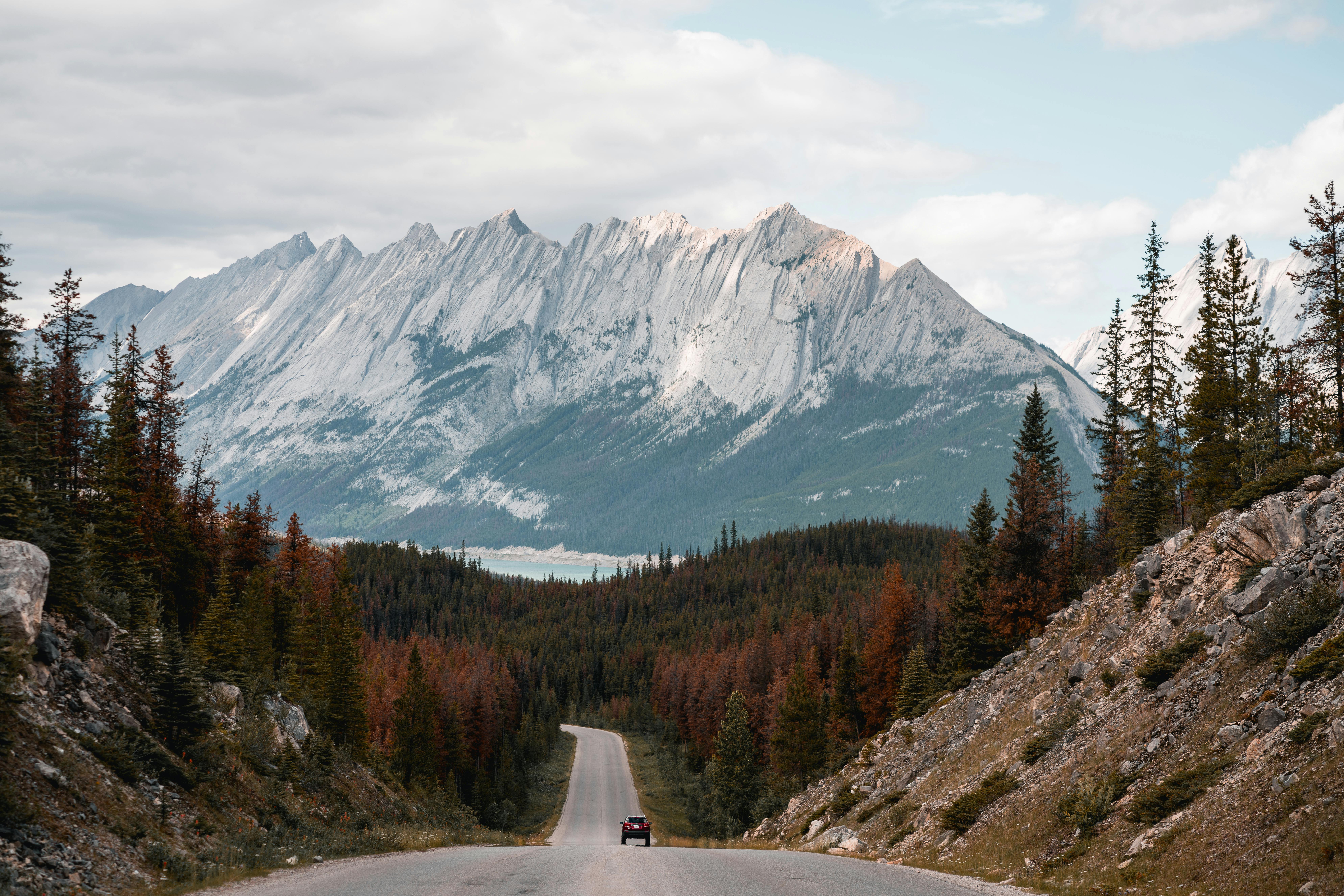
In many parts of Canada, renting a car makes the trip much more flexible, especially when the idea is to leave the urban axis behind and explore mountains, parks, lakes and scenic detours at your own pace.
One of Canada’s practical advantages is that, for many travelers, air entry can be handled through Canada’s electronic travel authorization. Rules still vary depending on nationality and mode of arrival, so it is always worth confirming official requirements before ticketing the trip.
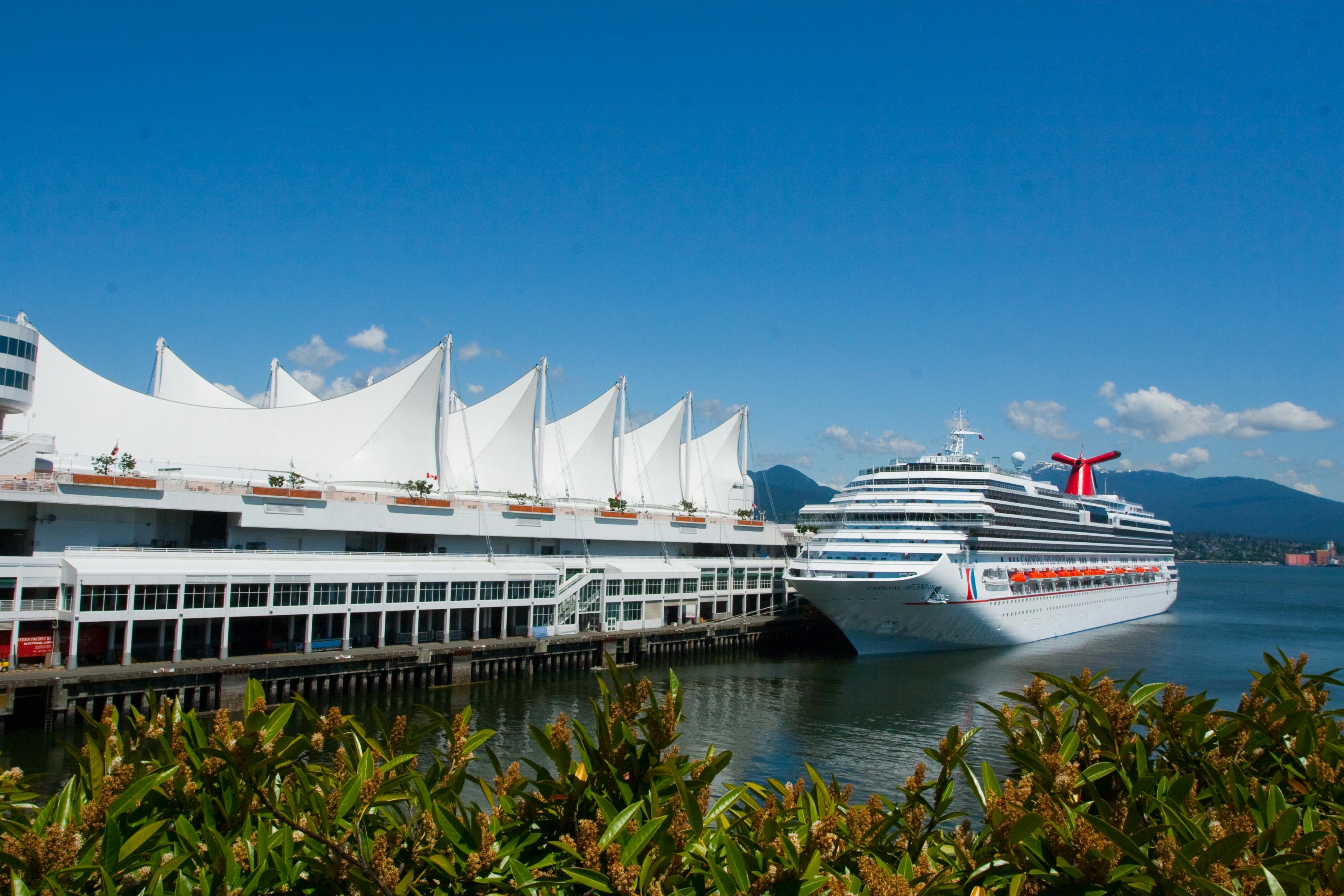
Many travelers do not immediately associate Canada with maritime travel, but the country can be an excellent base for cruises and even more remote experiences, especially in the west.
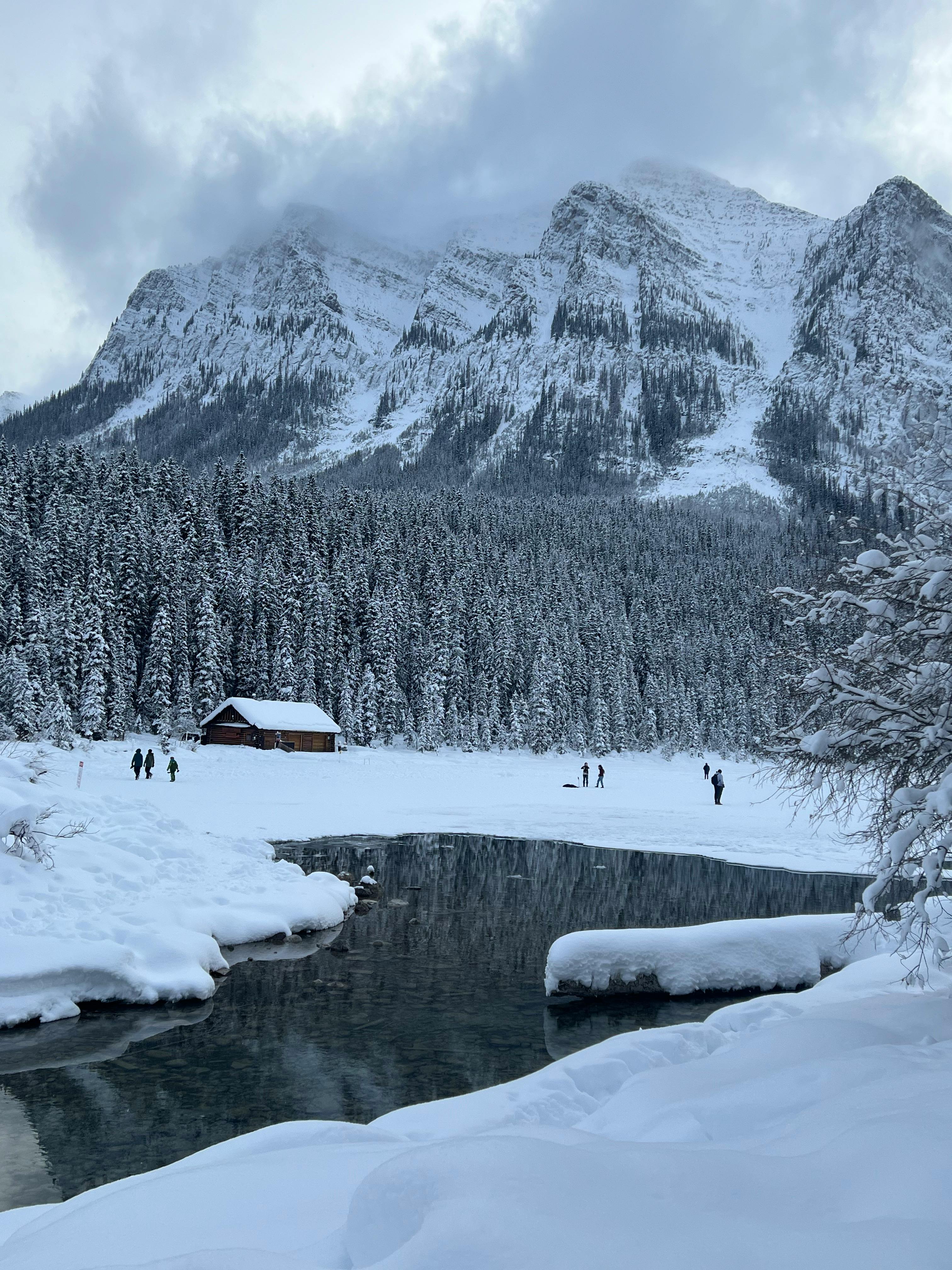
Canada works beautifully for travelers who want a trip built around snow, mountains, winter atmosphere and skiing. The safest window usually falls between December and March, with January and February concentrating the strongest winter feel.
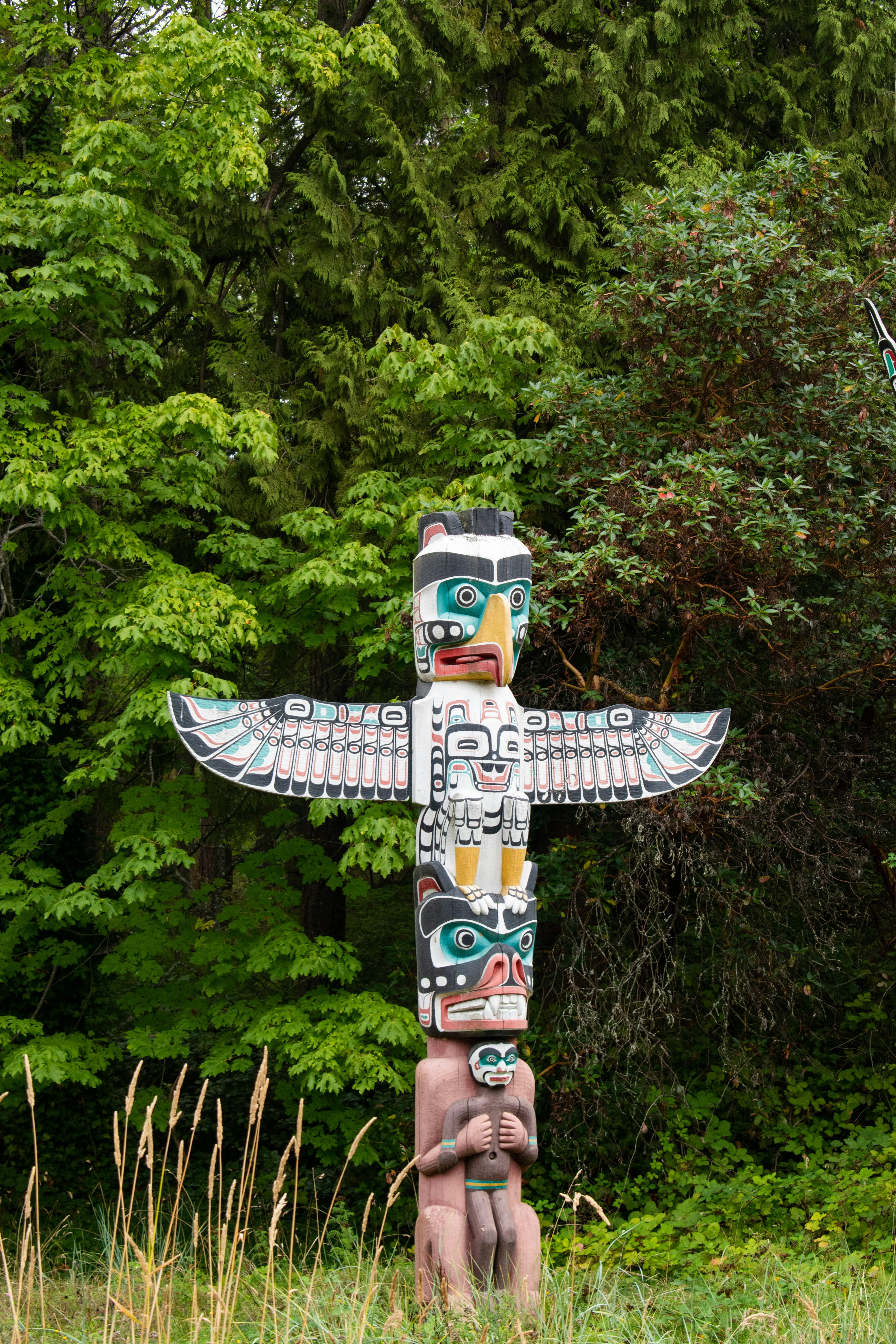
Beyond major cities and landscapes, Canada can also be better understood when the trip incorporates its Indigenous dimension. That changes the way you read territory, history, art, memory and even the way many places are interpreted today.
Instead of seeing the country only through cities and scenery, it also helps to remember how strongly Canada is shaped by scale, water, winter and cultural contrasts.
The name is generally associated with the Indigenous word kanata, often understood as “village” or “settlement,” which already hints at how deeply the country is tied to Indigenous history.
Montréal has a vast underground pedestrian network that helps connect metro, shopping, offices and daily life during the winter — one of the clearest examples of how climate shapes the urban experience.
Canada’s enormous territory, strong freshwater presence and Arctic dimension help explain why the country feels so different depending on which region and season you choose.
Canada works much better when you decide what kind of trip you want first. The country can be urban, francophone, scenic, snowy, maritime, expedition-based or a combination of several layers.
A good fit for travelers who want to begin with a clear and elegant structure. Suggested logic: Toronto + Ottawa + Montréal + Québec.
Great for travelers who want gastronomy, museums, urban life and stronger cultural reading. Suggested logic: Toronto + Montréal + Vancouver.
Perfect for mountain-driven, scenic travel. Suggested logic: Calgary + Banff + Lake Louise + Jasper + Vancouver.
For travelers who want winter as a protagonist. Suggested logic: Québec + Mont-Tremblant + Banff + Whistler.
For travelers who want to use the country as a springboard for Alaska, coastal sailing or more remote expeditions. Suggested logic: Vancouver + Alaska / special routes / expedition travel.
One of Canada’s strengths is how well it combines city, mountains, winter, rail, cruises and francophone culture in a single broader journey.
Once you understand which side of Canada fits your travel style, it becomes much easier to compare flights, hotels and possibilities with more confidence. That is when planning turns into real booking.
Canada connects very well with other North America pages and with the site’s practical content that helps turn inspiration into a smarter itinerary.